If you are choosing between a Boston condo and a Cambridge condo, the decision usually comes down to one thing: do you want more options, or a more compact daily lifestyle? For many urban professionals, both cities can work well, but they offer different tradeoffs in price, inventory, building style, and how you move through the day. This guide breaks down the data so you can compare Boston and Cambridge with more confidence. Let’s dive in.
Boston vs Cambridge at a glance
Right now, Boston offers more condo inventory, while Cambridge commands higher pricing and tighter supply. According to current Redfin condo data for Boston, Boston has a median listing price of $820,000 and about 1,241 condos for sale. Cambridge, by comparison, has a median listing price of $899,000 and about 98 condos for sale.
That gap matters if you are balancing budget, condition, location, and building amenities. In practical terms, Boston gives you a broader field to search, while Cambridge often asks you to act in a smaller, more supply-constrained market. For a busy buyer, that can shape everything from timeline to negotiation strategy.
Price and competition
If you are focused on entry cost first, Boston currently has the lower price point. Redfin’s broader city market pages show Boston at a median sale price of $806,000, while Cambridge sits at $940,000. That makes Cambridge the more premium-priced option in the current market.
Even so, both cities remain relatively competitive. Based on Redfin housing market data, Boston homes sell in about 48 days with around 2 offers on average, and Cambridge homes sell in about 50 days with around 2 offers on average.
For you as a buyer, that means the choice is less about one market being dramatically hotter than the other. Instead, it is more about whether you want more listing volume to work with in Boston or whether you are comfortable paying a premium for Cambridge’s tighter inventory and highly compact urban setup.
Condo inventory and building types
Boston offers more variety
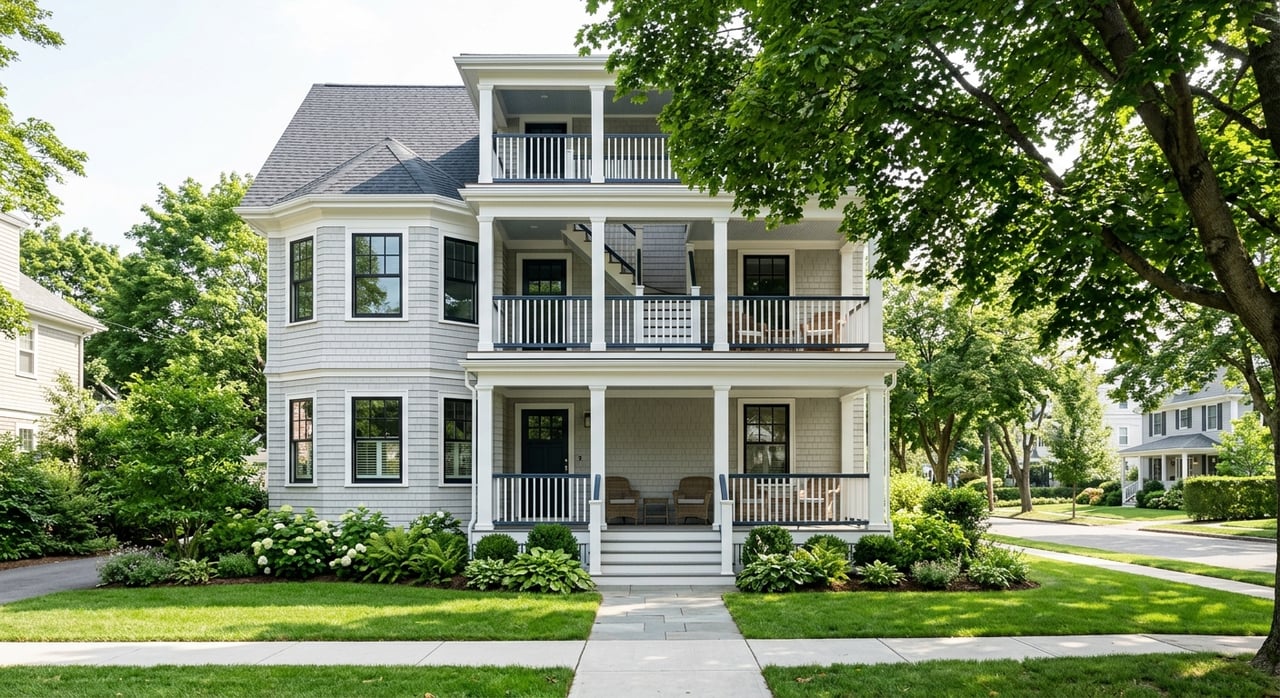
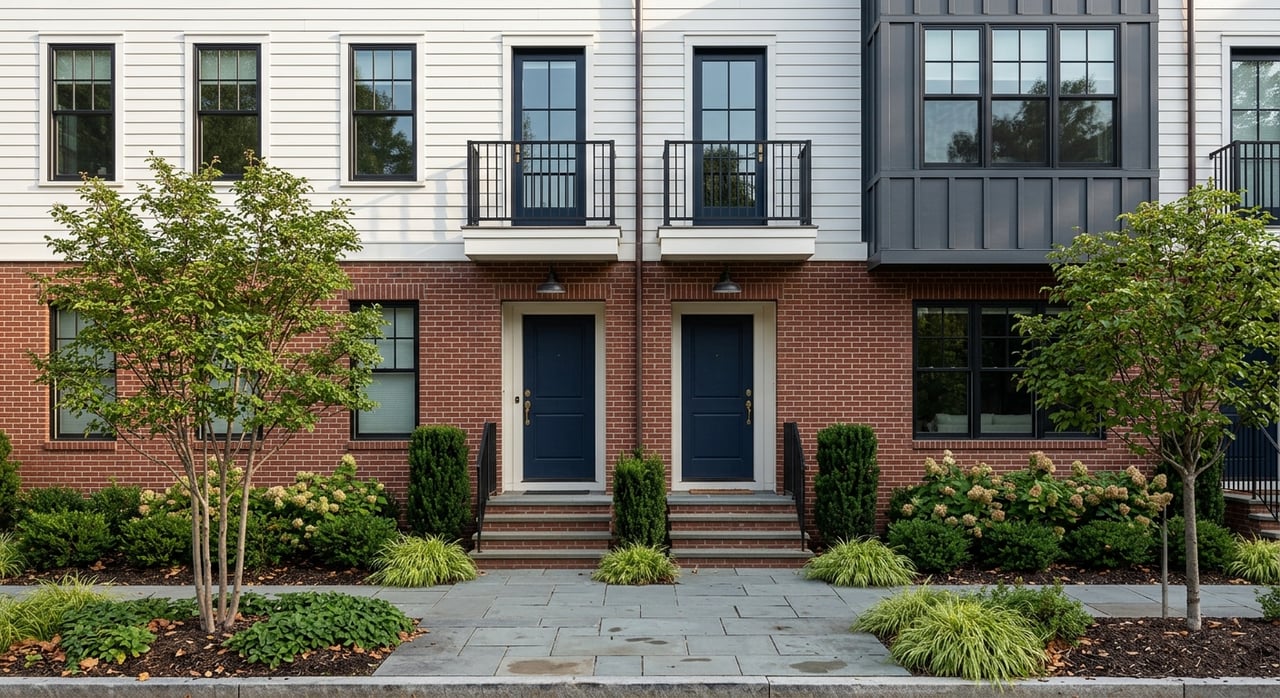
Boston’s housing stock covers a wide range of condo formats. The city’s housing materials describe a mix of brownstones, high-rises, and single-family homes, while Boston’s fair housing analysis notes that 81% of housing units are in multi-unit buildings, including 24% in 3- to 4-unit structures. You can review that context through the City of Boston housing materials and the City of Boston Assessment of Fair Housing.
For buyers, that usually translates into more physical variety. You may find classic rowhouse condos, elevator buildings, and converted multifamily properties across a broader range of settings and price points.
Cambridge is more conversion-driven
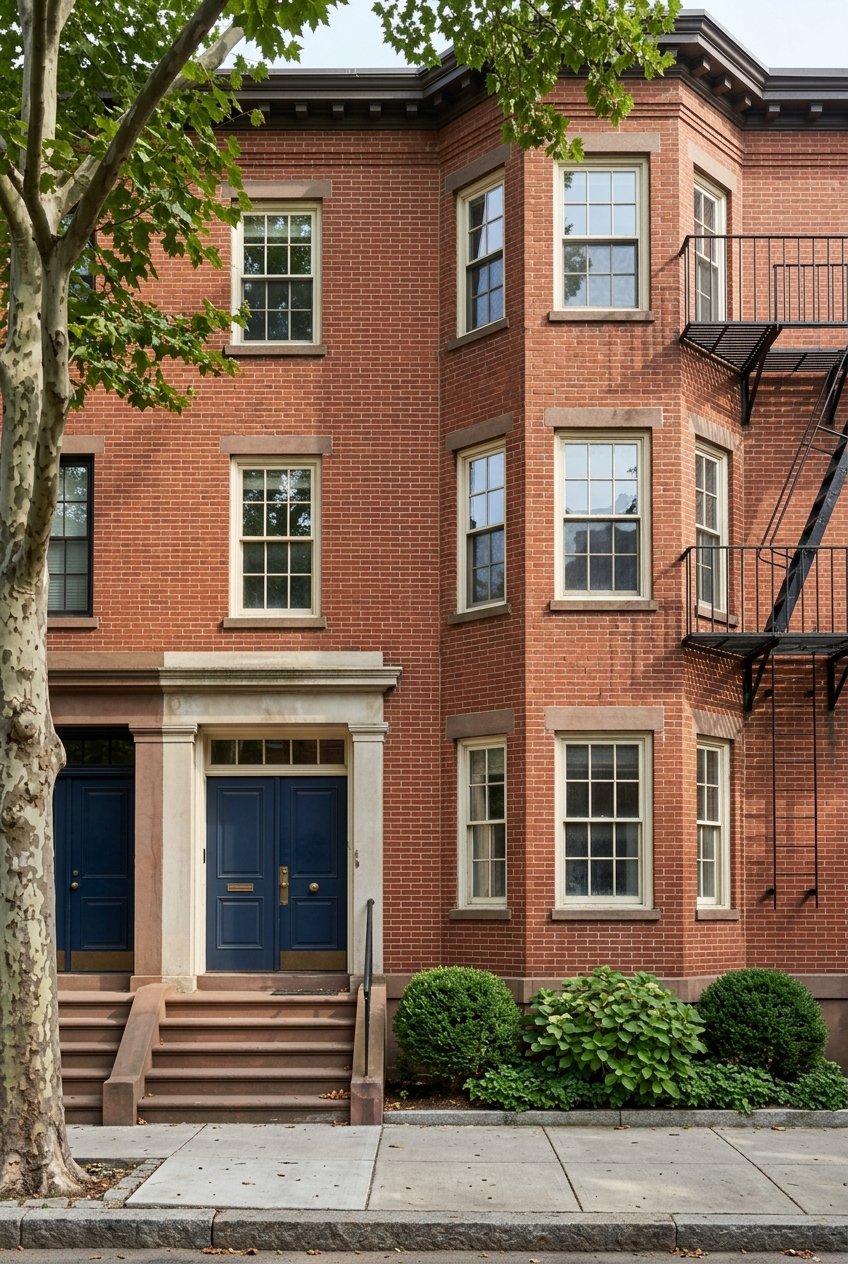
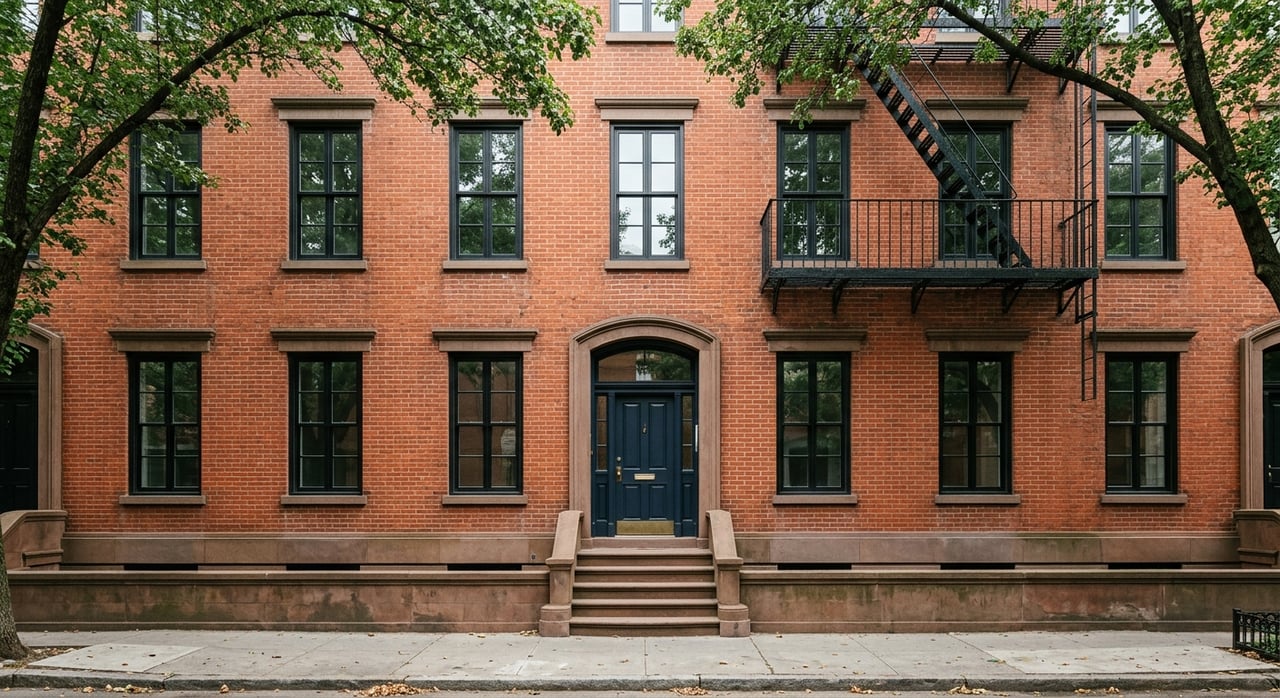
Cambridge condo inventory tends to be shaped more by conversions. The city’s fair housing plan says many condos are created from former rentals or owner-occupied two- and three-family properties, and that the stock includes Victorian homes, townhouses, and modern high-rises. That combination gives Cambridge a distinct mix of historic and updated urban housing forms.
If you are shopping in Cambridge, you may notice that the inventory often feels more curated but also more limited. There can be strong appeal in that, especially if you want a condo with architectural character or a location tied closely to a walkable routine.
Commute and daily mobility
For urban professionals, the real question is not whether either city has transit. Both do. The better question is how you want your day to function.
Based on Redfin transportation scores, Cambridge scores 90 for walkability, 70 for transit, and 96 for biking. Boston scores 83 for walkability, 72 for transit, and 69 for biking. Cambridge stands out more for walk-and-bike living, while Boston posts the slightly stronger transit score.
Boston’s planning materials add more context. The city reports that 35% of households do not have a vehicle, 38% of resident workers commute without a car, about 1 in 5 use public transportation, and another 1 in 5 work from home. The city also states that its public transportation system reaches every neighborhood, according to Boston’s People and Economy planning report.
Cambridge frames mobility a bit differently. The city says about a quarter of residents use transit to commute, less than 31% drive alone, and more people walk to work there than in any other large city. Cambridge also notes that it has six subway stations and 33 MBTA bus lines, and describes itself as compact, flat, and easy to navigate on foot or by bike through its sustainable transportation resources.
The practical takeaway is simple. If you want a broader, multi-destination city network, Boston may fit better. If you want daily life to feel more concentrated around walking, biking, and short hops, Cambridge often has the edge.
Rental demand and future flexibility
If you think you might lease your condo later, both markets show meaningful rental demand. Redfin’s current rental snapshots show Boston averaging $3,790 per month and Cambridge averaging $3,618 per month. That does not guarantee investment performance, but it does suggest that both cities support strong rental activity.
This can matter if your career changes, your household size changes, or you plan to hold the condo for a period before selling. For many professionals, optionality is part of the purchase decision, especially when buying in a high-cost urban market.
Short-term rental and condo rule considerations
This is where many buyers make assumptions that do not hold up. Just because a unit is a condo does not mean rentals, subleasing, or short-term stays are automatically allowed.
In Boston, the city’s short-term rental rules allow rentals under 28 days only in owner-occupied condominiums, single-family homes, two-family homes, and three-family homes. In two- and three-family buildings, the owner-occupant must own all units. Boston also has a condo and co-op conversion ordinance that applies to certain older rental properties.
In Cambridge, short-term rental registration rules are structured differently. The operator must be the owner or a tenant with the owner’s permission, and for a condominium, the condo association must also approve. The unit must be the operator’s primary residence, or in certain owner-adjacent situations, the building can have no more than four residential units and the rental must be the whole unit.
For you, the lesson is straightforward: always review city rules, association documents, and building-level restrictions before you buy. This matters whether your goal is flexibility, occasional leasing, or long-term hold potential.
Future supply could shift differently
Cambridge may see changes in future housing supply over time. In February 2025, the city adopted zoning for multifamily housing citywide, allowing up to four stories by right in the new residential base zone and up to six stories on larger lots when 20% of residential floor area is affordable.
Cambridge also applies inclusionary housing requirements that require 20% of residential floor area to be affordable in qualifying new developments. These policies are more relevant to future inventory than to what is available today, but they are worth watching if you are thinking about long-term supply and product mix.
Boston’s advantage today is current depth of inventory. Cambridge’s story includes the possibility of gradual change, but buyers should still treat today’s tighter condo supply as the immediate reality.
Which city fits your priorities?
Choose Boston if you want breadth
Boston may be the better fit if you want:
- More condo listings to compare
- A wider range of building types
- More price and location combinations
- Access to a larger citywide rental market
- A search process with more inventory depth
For a buyer who wants flexibility and selection, Boston often gives you more room to calibrate tradeoffs.
Choose Cambridge if you want concentration
Cambridge may be the better fit if you want:
- Strong walkability and exceptional biking access
- A compact, efficient daily routine
- Condo options shaped by conversions and character buildings
- A supply-constrained market with premium pricing
- A location where many destinations are reachable without a car
For time-constrained professionals, the cleanest summary is this: Boston offers breadth, while Cambridge offers concentration.
How to make the decision practically
If you are torn between the two, focus on your weekly routine rather than your abstract preferences. Think about how often you commute, whether you value biking or walking more than transit reach, and how much inventory choice you want before making a decision.
It also helps to define your non-negotiables early. Those may include budget ceiling, building type, rental flexibility, monthly condo fees, or how close you want to be to work and transit. Once those are clear, the Boston versus Cambridge question becomes easier to solve.
If you want a data-driven view of which market better fits your goals, Nathan Long can help you compare current condo opportunities with a practical eye on pricing, location, and long-term flexibility.
FAQs
What is the price difference between Boston and Cambridge condos?
- Current Redfin condo data shows Boston at a median listing price of $820,000 and Cambridge at $899,000, with Cambridge priced higher.
Is Boston or Cambridge better for walkability?
- Cambridge currently scores higher for walkability and biking, with Redfin scores of 90 walkability and 96 biking, compared with Boston’s 83 walkability and 69 biking.
Does Boston have more condos for sale than Cambridge?
- Yes. Current Redfin condo snapshots show about 1,241 condos for sale in Boston versus about 98 in Cambridge.
Are Boston and Cambridge condos both good for future rental potential?
- Both markets show strong rental activity, with Redfin rental snapshots averaging $3,790 per month in Boston and $3,618 per month in Cambridge.
Can you short-term rent a condo in Boston or Cambridge?
- Short-term rentals are regulated in both cities, and you should confirm city rules, condo association approval, and building restrictions before buying for that purpose.