If your Cambridge home search starts with the commute, you are not alone. In a city where most areas are a short walk from public transit and more than 100,000 public transit trips start and end each workday, buying near the right station can shape your daily routine, monthly costs, and long-term resale outlook. This guide breaks down how transit access, condo type, parking, fees, and rental rules fit together so you can buy with a clearer plan. Let’s dive in.
Why transit matters in Cambridge
Cambridge stands out as a transit-rich urban market. The City reports five Red Line stations, the relocated Lechmere Green Line station, commuter rail access, 26 MBTA bus routes, and multiple shuttle connections across the city.
That depth of service gives condo buyers more than a faster trip to work. It also creates meaningful trade-offs between location, building style, parking, monthly carrying costs, and future flexibility. In practice, a condo that looks similar on paper can feel very different depending on which station area it serves.
Choosing the right station area
Kendall and East Cambridge
Kendall Square is one of the most employment-heavy parts of Cambridge. Within a half-mile radius, the City reports 8,866 residents and 36,042 employees, which helps explain the area’s strong daytime activity and work-centered feel.
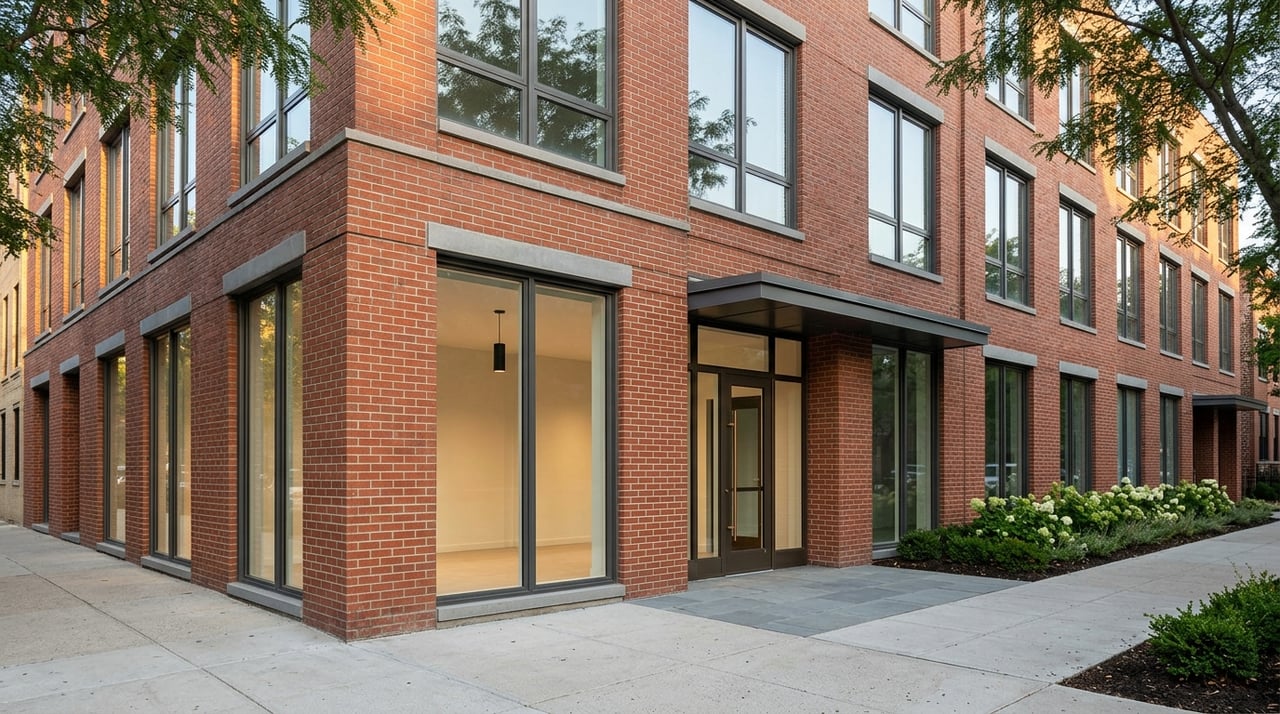
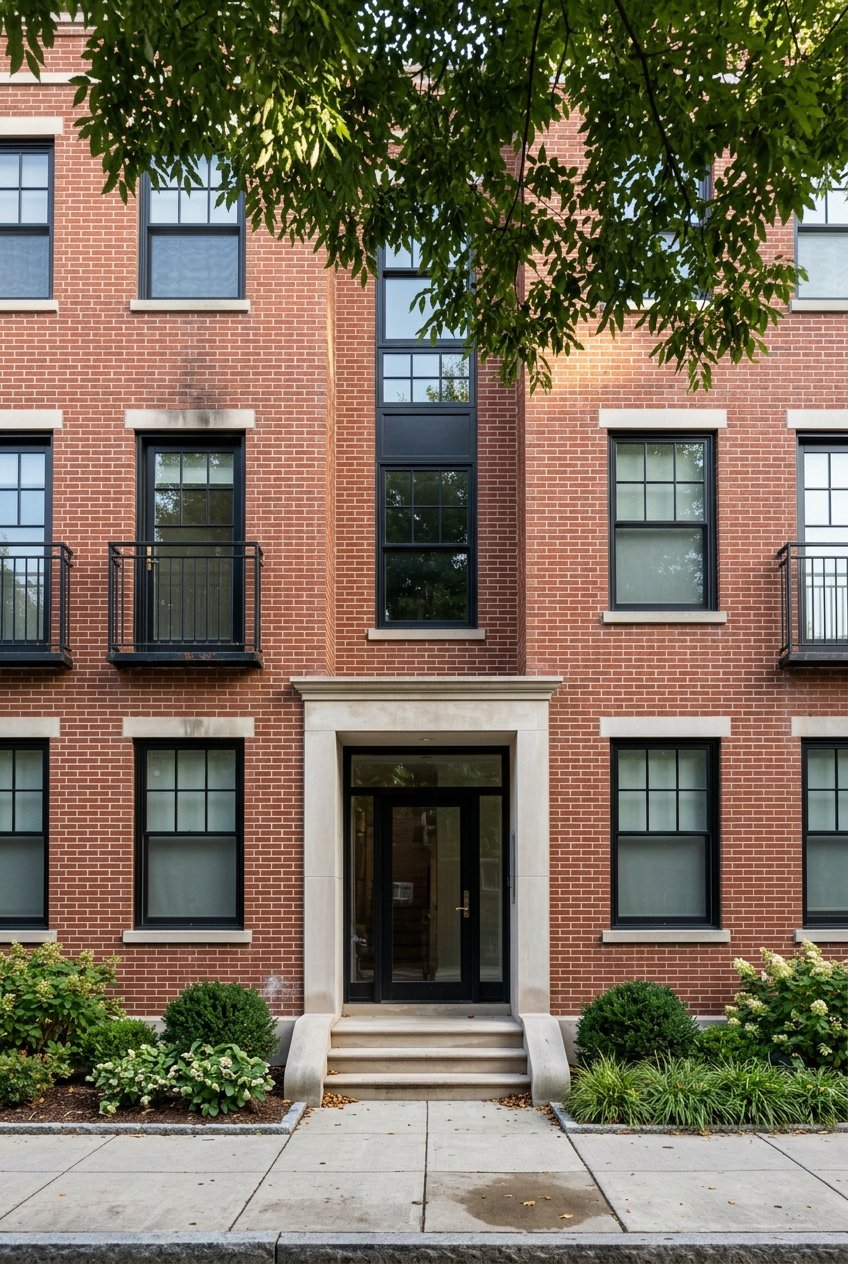
For condo buyers, Kendall and nearby East Cambridge often mean newer construction and more amenity-rich buildings. East Cambridge also includes older residential sections, major transit activity around Lechmere, and larger apartment-style buildings and riverfront development farther south and east.
If you want direct access to MIT, biotech employers, and weekday shuttle connections, this area is often a first stop. EZRide also connects Kendall and MIT with North Station, Lechmere, CambridgeSide, and Cambridgeport on weekdays.
Central Square and Cambridgeport
Central Square functions as Cambridge’s traditional downtown and one of its busiest Red Line stops. The City describes it as a vibrant mixed-use district with strong bus connections, restaurants, shops, and nightlife.
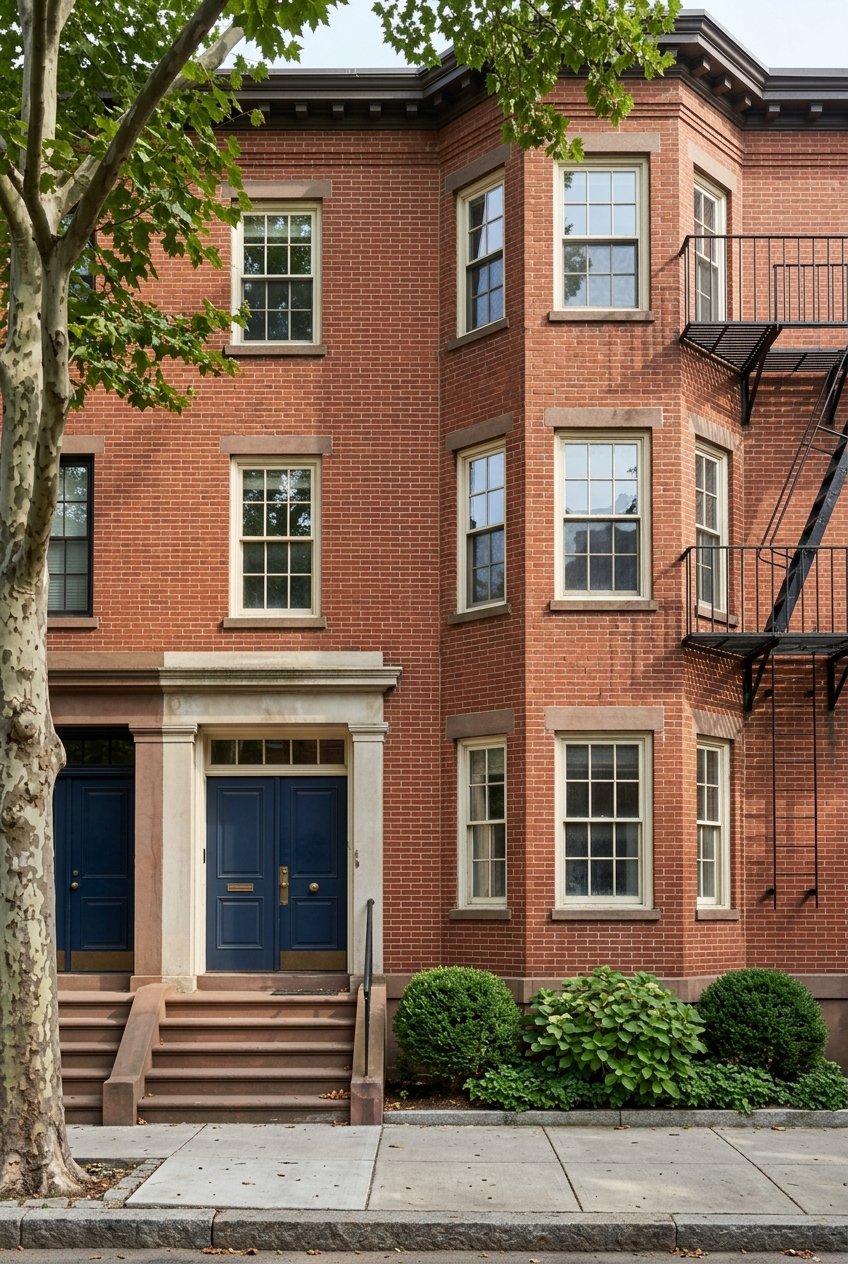
For buyers, Central and Cambridgeport usually offer a broader mix of condo stock than Kendall. You may see older condo conversions, mid-rise buildings, and newer infill that reflects the area’s evolving mixed-use pattern.
This part of Cambridge often fits buyers who want a true urban setting with direct transit access and a wide mix of daily conveniences. The M2 shuttle also connects Central with Harvard, Kenmore, and Longwood Medical Area on weekdays, which can matter if your routine extends beyond Cambridge.
Porter Square and North Cambridge
Porter Square blends local convenience with regional access. It combines Red Line service and commuter rail, and the City’s district assessment reported a Walk Score of 92, Bike Score of 95, and Transit Score of 76.
The surrounding housing stock tends to feel more residential than Kendall or Central. Buyers here often compare smaller condo associations, converted houses, and mid-rise or apartment-style buildings near the station.
Porter can be especially useful if you want both neighborhood-scale living and strong transit connectivity. The City also reported about 7,968 weekday riders at the Porter Square T stop, not including commuter rail, which speaks to its role as a major transit center.
Alewife and Fresh Pond
Alewife sits at a different point on the transit spectrum. It is transit-connected, but it is also one of Cambridge’s more car-accessible districts, with regional road access and a built environment that includes older and newer buildings, offices, retail, and modern apartment complexes.
For condo buyers, Alewife is often where newer product and future supply become part of the decision. The City identifies Fresh Pond and Alewife as the largest area in Cambridge with significant development potential, and local zoning encourages more mixed-use development and housing closer to MBTA service.
That can create opportunity if you want newer construction or a more modern building format. It can also mean you should think carefully about future neighborhood change, construction activity, and how much you value a deeded parking space.
Lechmere and Green Line access
If Green Line access is your priority, Lechmere is the key Cambridge anchor. The City says the Green Line Extension relocated Lechmere to North First Street and improved pedestrian access from East Cambridge.
This matters for buyers who want East Cambridge access with a different transit option than the Red Line. In nearby areas, you may find a combination of older residential blocks, larger apartment buildings, and riverfront-oriented development.
Matching the condo to your lifestyle
If you want the fastest workday commute
Many time-sensitive buyers start with Kendall, Central, and East Cambridge. These areas line up well with Red Line access, shuttle connections, and strong links to major employment and institutional centers.
If your work is tied to MIT, biotech, or nearby office clusters, Kendall and East Cambridge may feel the most efficient. If you want a more mixed urban core with broad transit options, Central often belongs on the shortlist.
If you want regional flexibility
Porter stands out if your routine goes beyond a simple Red Line trip. The combination of subway and commuter rail can make it easier to reach other parts of Greater Boston while still staying in Cambridge.
That flexibility also supports day-to-day convenience. Porter is described by the City as both a local and regional shopping destination, which can make the area appealing if you want transit and errands to work together.
If you want newer buildings
Kendall, East Cambridge, and Alewife often draw buyers looking for newer or more amenity-driven housing. These areas are more likely to include modern apartment-style buildings and larger-scale development patterns.
That does not automatically make them the best fit. Newer buildings may come with higher monthly condo fees, different parking arrangements, and a more institutional or workday-intense setting than smaller associations in other parts of Cambridge.
If you want a more residential feel
Porter and North Cambridge often appeal to buyers who want strong transit access without living in the busiest commercial core. The housing mix can include smaller associations and converted homes, which may feel more intimate than larger full-service buildings.
That said, building-by-building differences matter. A short walk to transit is valuable, but so are the condo documents, reserves, fee structure, and unit layout.
What to review before you make an offer
Condo documents and monthly fees
In Massachusetts, condominium ownership is governed by Chapter 183A and the condo’s private governing documents, including the master deed, deed, and bylaws. The Commonwealth also notes that condominiums are not regulated through direct state oversight in the way some buyers expect, so the private documents matter.
That is why the monthly condo fee should never be judged by the number alone. You want to compare what the fee actually covers, whether the association maintains a replacement reserve fund, and how the building handles common expenses over time.
Parking and carrying costs
Parking is one of the biggest practical decisions for transit-proximate condo buyers. In Cambridge, where the City says parking demand exceeds available supply, an assigned or deeded space can affect convenience, budget, and resale appeal.
For some buyers, especially in Alewife or Porter, parking may still be worth paying for. For others, skipping the added cost may make sense if transit, walking, and biking cover most daily needs.
Rental flexibility
If you think you may rent out the condo later, do not assume every building allows the same level of flexibility. In Cambridge, that question is often building-specific first.
Short-term rental rules are especially strict. The City allows only operator-occupied or owner-adjacent short-term rentals, requires the unit to be a primary residence, requires registration and inspection, and requires condo association approval for condo units.
That means your future options may depend on both city rules and the condo association’s governing documents. If rental flexibility matters, it should be part of your diligence early in the process.
A practical way to compare Cambridge condos
When two condos seem close in price, use a side-by-side framework instead of focusing only on finishes. A pragmatic comparison usually includes:
- Walk time to the station you will actually use
- Transit type, such as Red Line, Green Line, commuter rail, or shuttle access
- Building style, including smaller association versus larger amenity building
- Monthly condo fee and what it covers
- Parking setup and added carrying cost
- Rental rules in the condo documents
- Surrounding development activity and likely neighborhood change
This approach helps you buy for the way you live now while keeping an eye on resale. In Cambridge, transit access is a major value driver, but so are the details that shape ownership after closing.
How long-term value often shows up
For many Cambridge condo buyers, long-term value comes down to a few repeat signals. The strongest among them are transit access, neighborhood depth, and the surrounding development pipeline.
Kendall and East Cambridge benefit from major employment density and continued urban investment. Central benefits from its role as a downtown mixed-use district, Porter benefits from established retail and strong transit metrics, and Alewife offers a clear future-supply story because the area is expected to keep evolving.
The right choice depends on your tolerance for trade-offs. Noise, construction, parking costs, and building rules can all be manageable if they align with your priorities and time horizon.
If you are buying a transit-proximate Cambridge condo, the best outcome usually comes from matching the station area, building type, and ownership rules to your real day-to-day needs. That is where a data-driven search can save time and reduce second-guessing.
If you want help comparing Cambridge condo options near the T, evaluating documents, or narrowing down the right neighborhood fit, schedule a Cambridge market consultation with Nathan Long.
FAQs
What makes a Cambridge condo transit-proximate?
- In Cambridge, a transit-proximate condo is typically one with convenient access to the Red Line, Green Line, commuter rail, MBTA bus routes, or weekday shuttle service, depending on your daily route.
What should Cambridge buyers compare besides price?
- You should compare station access, condo fees, what the fee covers, parking, rental rules, building type, and nearby development activity.
Which Cambridge areas have newer condo buildings near transit?
- Kendall, East Cambridge, and Alewife are the areas most often associated with newer construction, larger apartment-style buildings, and more amenity-rich housing.
Which Cambridge station area offers commuter rail access?
- Porter Square is the key Cambridge station area that combines Red Line service with commuter rail access.
Do Cambridge condo buildings have the same rental rules?
- No. Rental flexibility is often building-specific, and short-term rentals in Cambridge are subject to strict city rules plus any condo association requirements.
Why does parking matter for a transit-proximate Cambridge condo?
- Parking can affect convenience, monthly costs, and resale appeal, especially in a city where parking demand exceeds available supply.