If you want more room without giving up Boston access, Milton deserves a close look. Many buyers are trying to solve the same puzzle: find more space, keep a practical commute, and still feel connected to Greater Boston. Milton stands out because it combines a mostly single-family housing pattern, major open space, and workable road and transit links. Let’s dive in.
Why Milton Feels More Spacious
Milton covers 13.01 square miles of land and had an estimated population of 28,811 in 2024, according to Census QuickFacts. That scale helps explain why the town often feels less compressed than closer-in urban neighborhoods. You can see that in its street pattern, lot sizes, and the amount of protected land woven into everyday life.
The town also emphasizes its unusually large amount of conserved land within 20 miles of Boston. That matters in practical terms. It means space in Milton is not just about private yards or larger homes, but also about the public landscape around you.
Open Space Shapes Daily Life
One of Milton’s biggest advantages is how much protected land sits nearby. The Blue Hills Reservation spans more than 7,000 acres across several communities, including Milton, and includes Houghton’s Pond in town. That gives residents access to a large regional recreation asset without leaving the area.
The Neponset River corridor adds another layer. State sources describe the Neponset River Reservation and Greenway as an important recreation corridor, and a recent state update said the trail runs about nine miles through Boston neighborhoods and into Milton. It also connects along the Neponset corridor toward Harborwalk and downtown Boston.
For buyers, this changes the feel of the town. Even when you are close to village centers or commuter routes, there is a strong sense of landscape and breathing room. That balance is a major part of Milton’s appeal.
Housing in Milton: Mostly Single-Family
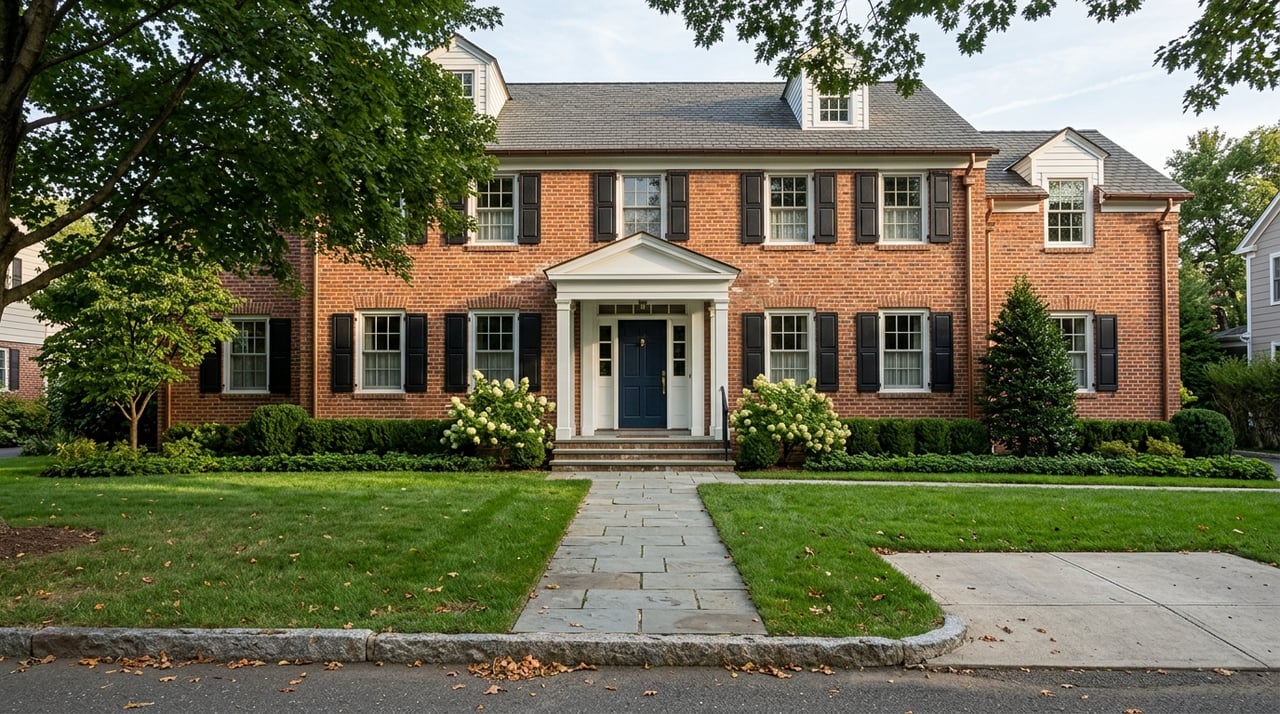
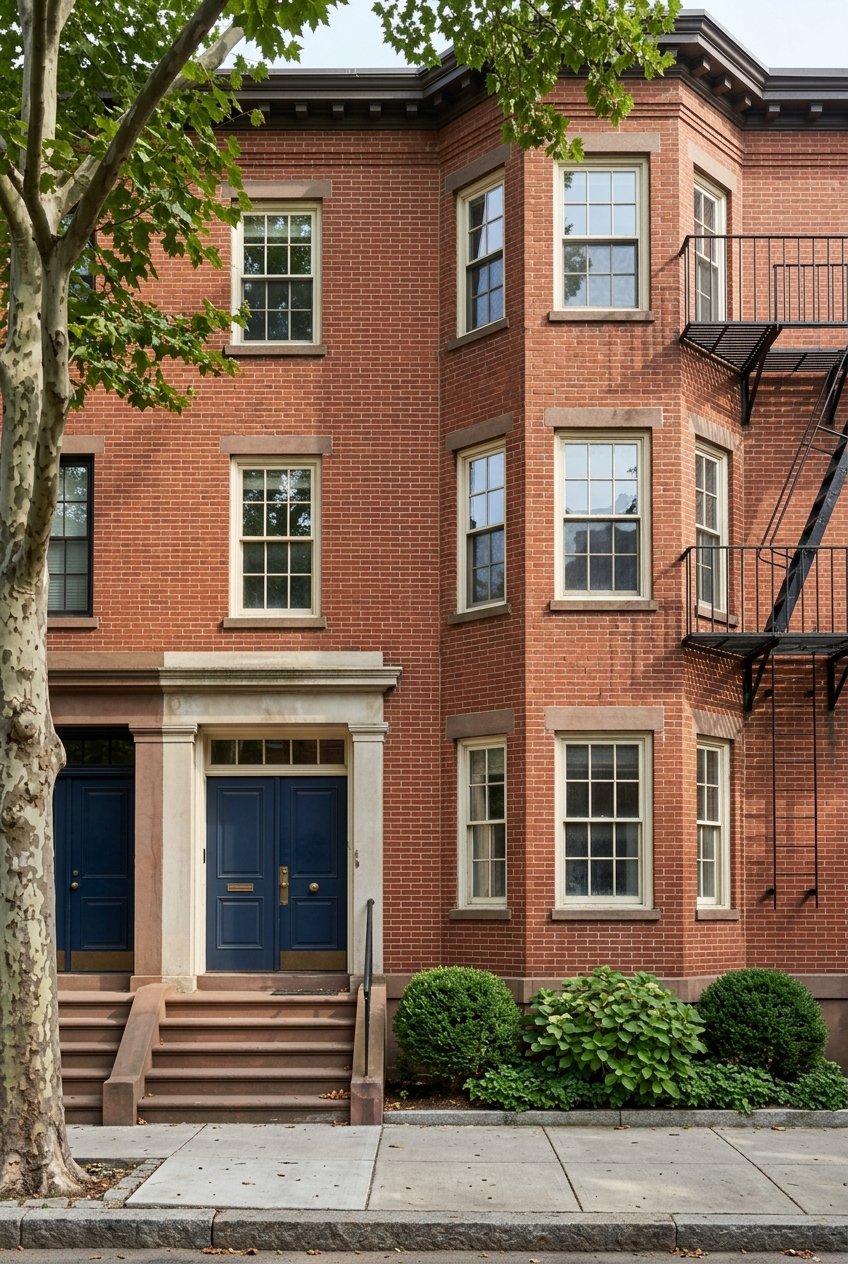
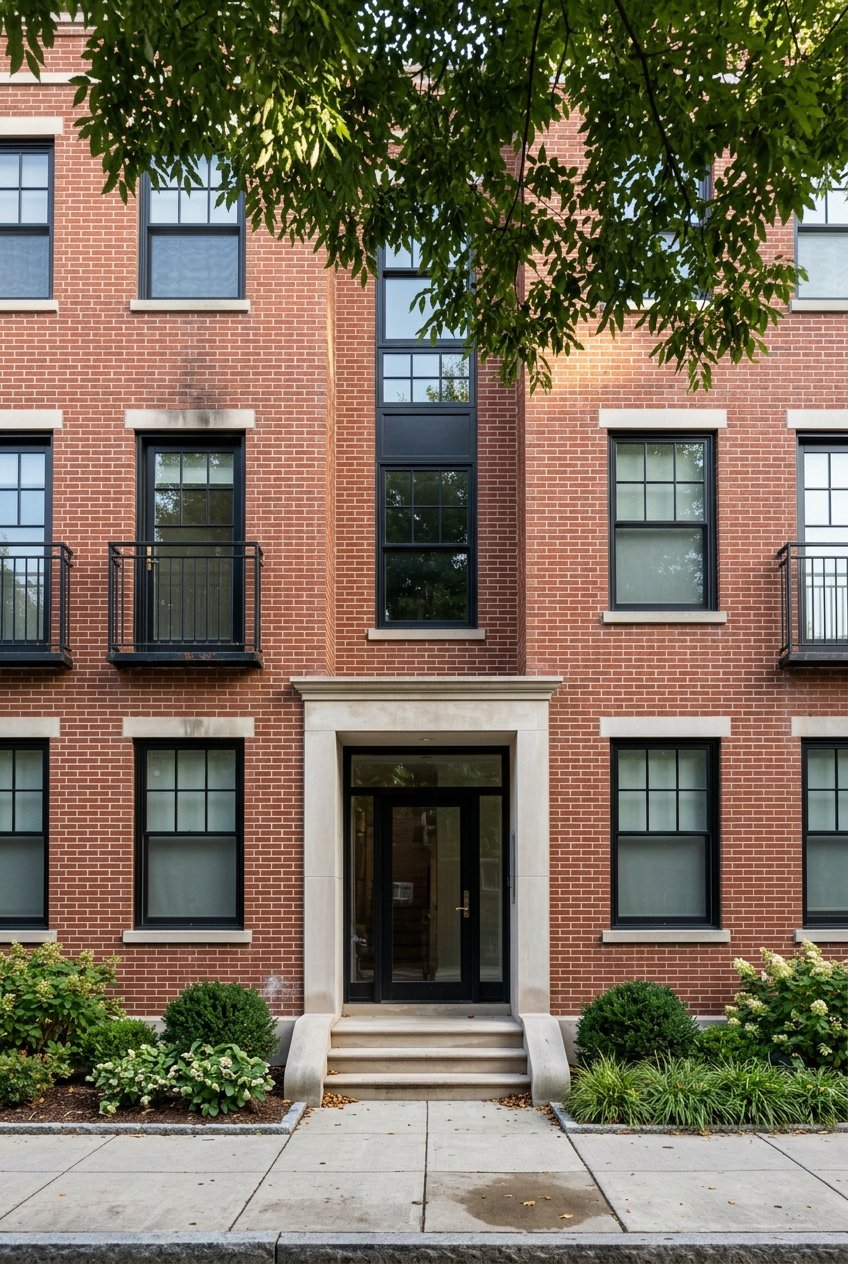
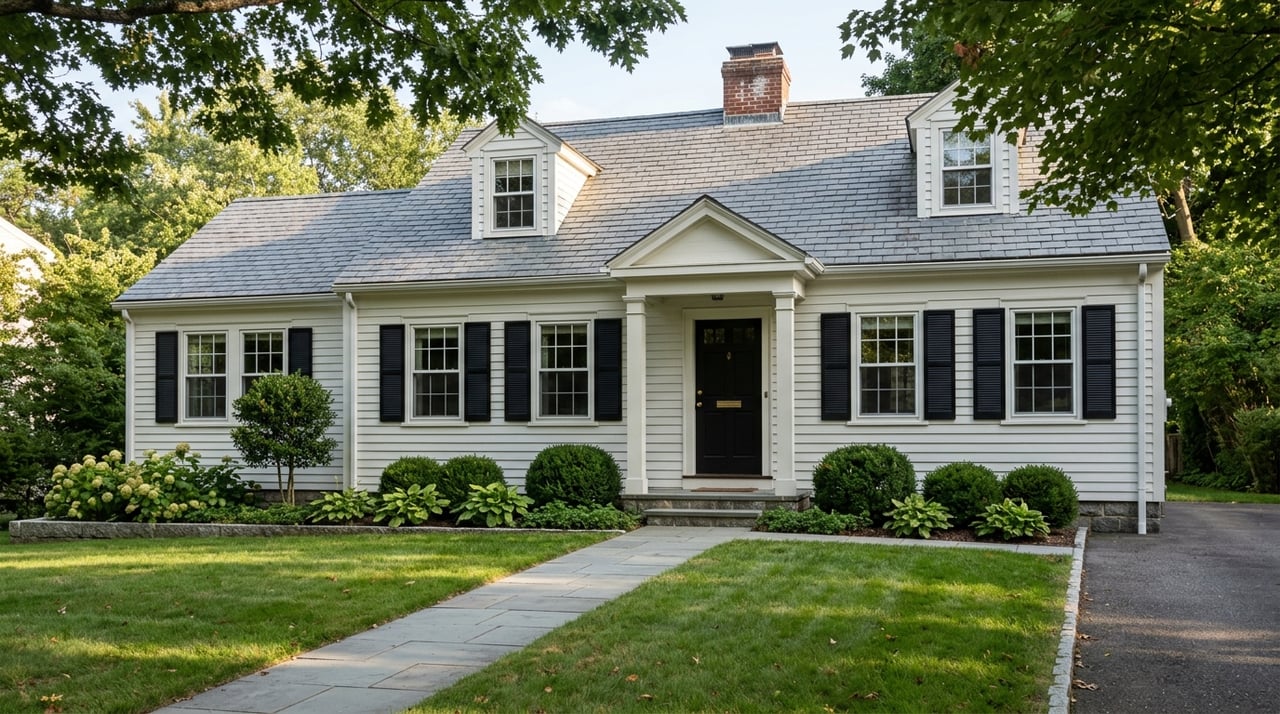
Milton’s housing stock is still predominantly single-family. Town planning materials say about three-quarters of housing units are single-family detached homes, and Census QuickFacts reports an owner-occupied housing rate of 85.2%. Together, those numbers point to a market shaped largely by owner-occupied houses rather than large apartment concentrations.
That does not mean every part of town looks the same. Milton’s planning materials describe a mix of very small lots in some areas, larger uphill lots, and estates interspersed throughout town. The result is a housing pattern with real variety inside a mostly suburban framework.
Different Parts of Town, Different Feel
Milton is organized around several village centers rather than one downtown. That gives the town a more layered feel than many suburbs with a single core. Depending on where you look, you may find a more residential setting, a historic commercial corridor, or an area with evolving mixed-use plans.
Milton Centre is the historic center of town and includes Town Hall, the public library, the common, and the Lira Bandstand. East Milton Square functions as an east-side commercial node, and the town is pursuing a mixed-use overlay there that would allow housing, civic uses, retail, restaurants, and offices together. Milton Village remains a historic commercial corridor, with current streetscape and station-rehab plans tied to its ongoing revitalization.
Railway Village in East Milton adds another distinct historic layer. The town notes that this area grew out of the Granite Railway corridor and still reads as a separate neighborhood. For buyers, that means your experience of Milton can vary meaningfully by location, even within one town.
How Milton Connects to Boston
Space only works if access still makes sense for your routine. That is where Milton’s location becomes important. The town borders Boston along the Neponset River and highlights quick access to Routes 128, I-93, and I-95.
For drivers, that setup gives Milton a practical regional connection. Town planning materials note that I-93 is the only interstate in Milton and wraps around the town’s northeast and south borders. If your work or weekly routine takes you into Boston or elsewhere around Greater Boston, that road network is a key part of the town’s value.
Transit Options Still Matter
Milton also offers a transit story, not just a driving story. The town describes access to Boston via the Mattapan Trolley and the Red Line. Its history materials explain that the former railroad line now runs as a surface trolley connecting Ashmont Station and Mattapan Square, with stations on both sides of the river.
That kind of connection can be useful if you want flexibility in how you travel. You may still drive often, but having a transit option can widen your choices. For many buyers, that is an important part of feeling connected rather than isolated.
Commute Expectations in Context
Census QuickFacts puts Milton’s mean travel time to work at 31.3 minutes. That fits the profile of a commuter suburb that offers more room while keeping Boston within reach. It is not about being steps from downtown, but about finding a workable middle ground.
For many households, that tradeoff is exactly the point. You accept a suburban setting in exchange for more space, access to open land, and a town structure that still supports connection to the city.
What Milton Offers Buyers
If you are comparing Milton with denser Boston-area locations, the value proposition is fairly clear. You are often looking at a town where the housing landscape is still largely single-family, where village centers create local activity, and where protected open space plays a major role in daily life. That combination is not easy to find so close to Boston.
Milton may be especially appealing if your search starts with lifestyle questions like these:
- Do you want more interior and exterior space?
- Do you want access to large recreational landscapes nearby?
- Do you still need practical road access into Boston or around the region?
- Do you prefer a town with multiple village centers instead of one concentrated downtown?
Those are not abstract features. They affect how your home feels on weekdays, weekends, and over the long term.
What Milton Means for Sellers
For sellers, Milton’s story is also straightforward and marketable. Buyers are often drawn to the town for the same three reasons: space, open land, and Boston access. When those features are presented clearly, they help frame the property within the broader lifestyle buyers are trying to achieve.
That is especially important because Milton is not one-size-fits-all. A home near Milton Village may appeal to buyers who value a historic corridor and transit adjacency, while a property near open-space assets may attract buyers focused on recreation and a more residential feel. The strongest positioning starts with the facts of location, housing type, and access.
Why the Balance Works
Milton works because it does not try to be either fully urban or fully remote. It sits in the middle in a way that many buyers find practical. You get a town bordering Boston, but with a housing pattern and land use that feel much more suburban.
That balance is backed by the basics: about three-quarters single-family detached housing, an owner-occupied rate above 85%, multiple village centers, major protected landscapes, and direct access to regional roads and transit connections. Put together, those facts explain why Milton continues to stand out for buyers who want more space without cutting themselves off from Boston.
If you are weighing Milton against other Greater Boston options, the key is to compare it based on how you actually live. Look at your commute, your need for space, the kind of neighborhood pattern you prefer, and how much value you place on open land nearby. That is usually where Milton makes its case most clearly.
If you want practical guidance on buying or selling in Greater Boston with a clear, data-driven approach, connect with Nathan Long.
FAQs
How close is Milton to Boston for daily commuting?
- Milton borders Boston along the Neponset River and offers access by road through Routes 128, I-93, and I-95, along with transit connections through the Mattapan Trolley and Red Line.
What kind of housing stock is most common in Milton?
- Town planning materials say about three-quarters of Milton’s housing units are single-family detached homes, and Census QuickFacts reports an owner-occupied housing rate of 85.2%.
What makes Milton feel more spacious than some Boston-area communities?
- Milton combines a mostly single-family housing pattern with significant protected open space, including access to Blue Hills Reservation and the Neponset River corridor.
Does Milton have one main downtown area?
- No. Milton is organized around several village centers, including Milton Centre, East Milton Square, Milton Village, and Railway Village.
What outdoor recreation options are available in Milton?
- Milton is connected to major open-space assets such as Blue Hills Reservation, including Houghton’s Pond, and the Neponset River Reservation and Greenway corridor.
Is Milton a good fit if you want both space and access?
- Milton is often considered by buyers who want more room, a suburban setting, and practical access to Boston through both highway and transit connections.