If your workweek depends on getting into Boston, Cambridge, or across Greater Boston without a lot of guesswork, Braintree deserves a close look. Many buyers want more than just a house. You want a home that fits your schedule, supports hybrid work, and gives you realistic commute options when plans change. This guide breaks down why Braintree stands out, what the local housing mix looks like, and how to shop with a commuter mindset. Let’s dive in.
Why Braintree works for commuters
Braintree stands out because it gives you more than one way to move around the region. The MBTA subway map shows Braintree at the end of the Red Line, and Cambridge stops like Kendall/MIT, Harvard, and Alewife are on that same line. Town materials also state that the Red Line originates in Braintree, which matters if you want a direct transit option built into your routine.
Braintree also offers commuter rail access. A June 2025 MBTA notice said the Greenbush, Fall River/New Bedford, and Kingston lines service Braintree. That kind of rail mix can help if your schedule changes from day to day or if more than one person in your household commutes in different directions.
Driving is another major part of Braintree’s appeal. The town says the Southeast Expressway splits in Braintree, with Route 3 heading toward Cape Cod and I-93 heading toward Route 24 and I-95. For buyers who need road access for work, family logistics, or regional travel, that flexibility is a practical advantage.
Commute flexibility matters
A commuter-friendly move is not just about shortest distance. It is about having backup plans when traffic builds, weather shifts, or your office schedule changes. In Braintree, you can weigh rail for more predictable Boston and Cambridge trips, driving for off-peak travel, and park-and-ride habits for hybrid workweeks.
That flexibility is one reason Braintree stays competitive with other nearby suburbs. If your household does not commute the same way every day, having several options can make daily life easier. It can also widen the types of homes you are willing to consider.
What home prices look like in Braintree
Recent market snapshots place Braintree in the mid-$600,000s overall. Redfin reported a March 2026 median sale price of $672,000 with average days on market of 26. Zillow’s April 2026 median list price was $677,967, and Realtor.com showed a median listing price of $684,200, 19 median days on market, and 49 active for-sale listings.
Those numbers suggest a market where buyers still need to be prepared. Homes are not sitting for long, and well-positioned listings can move quickly. If you are balancing commute goals with budget, it helps to know early where each property type tends to land.
Comparing Braintree housing options
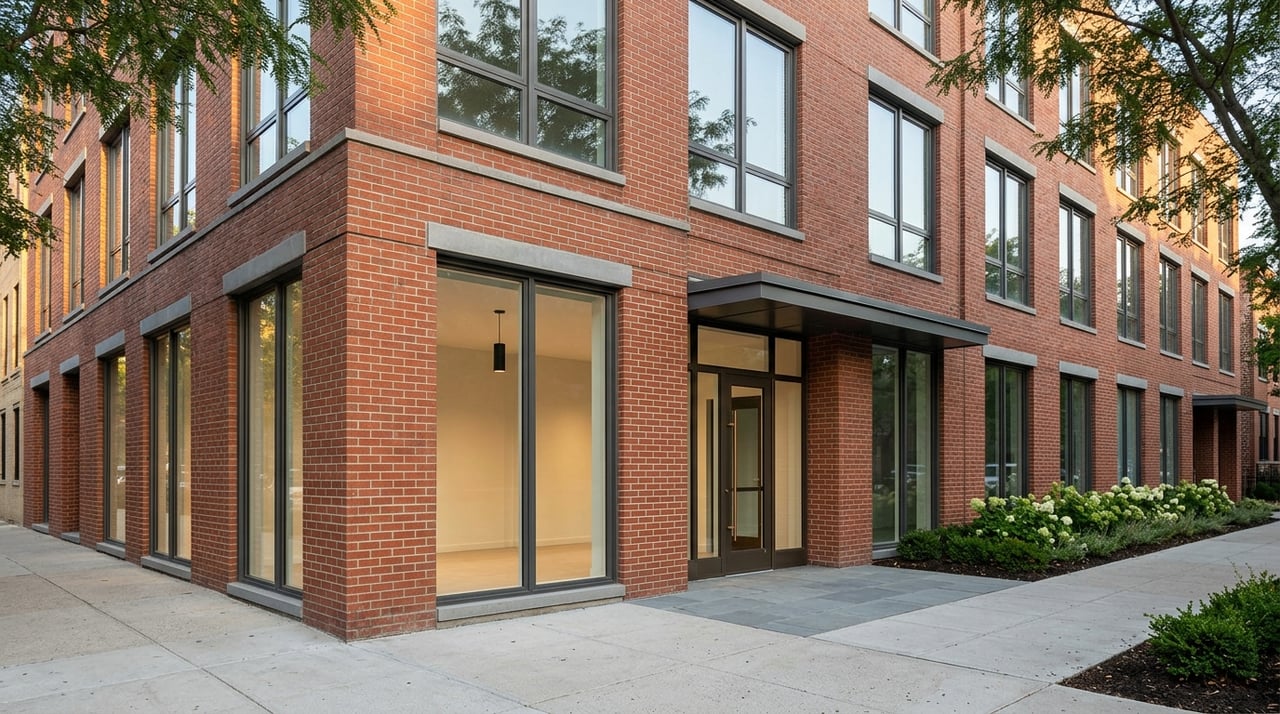
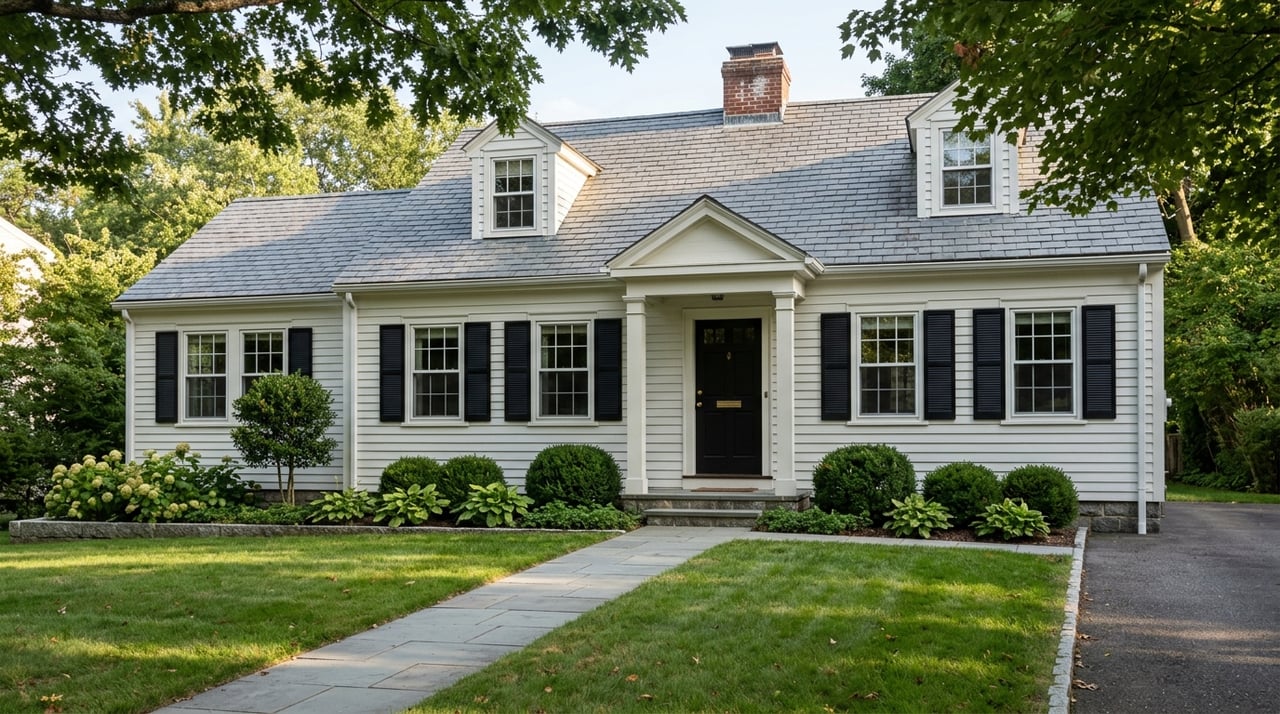
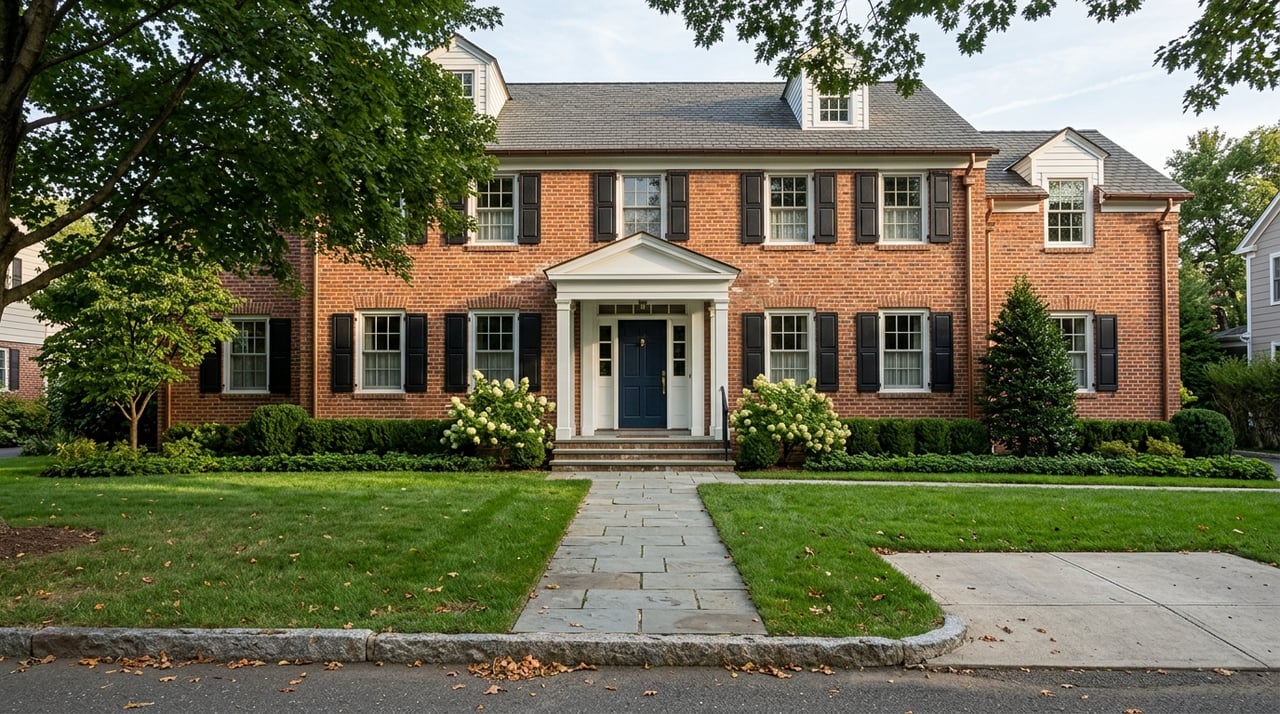
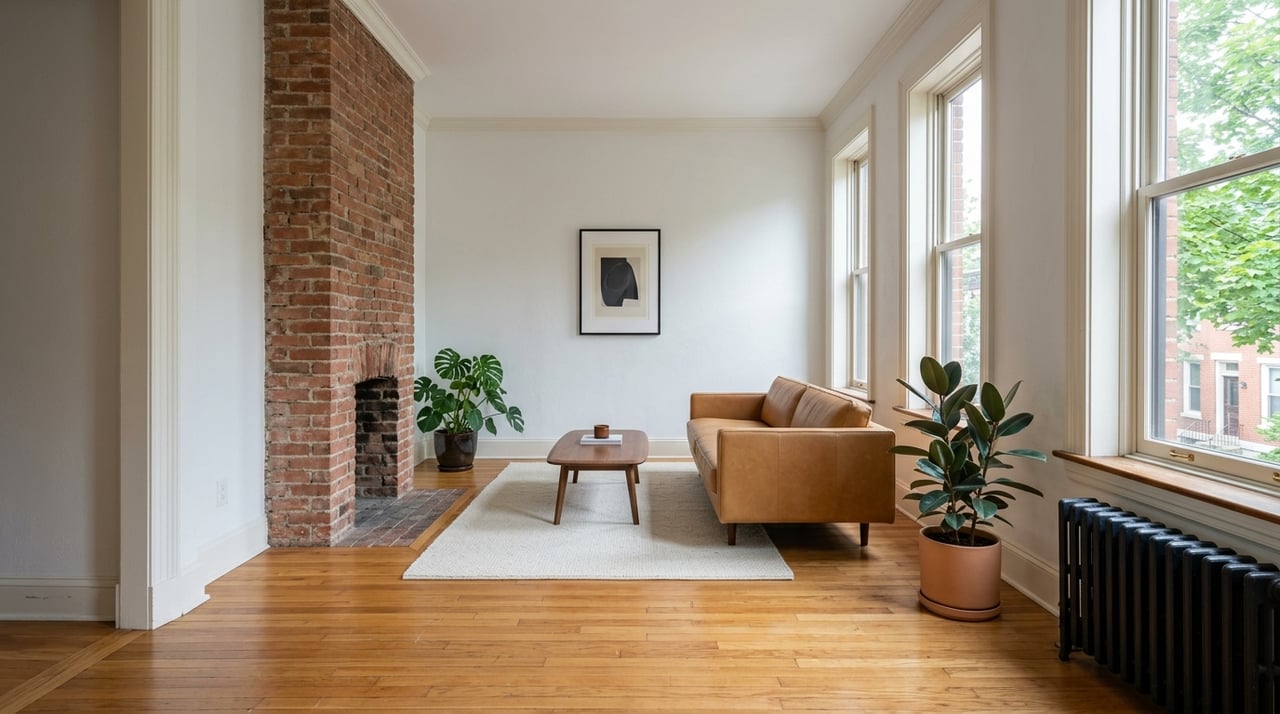
Braintree offers a broad housing mix for a commuter suburb. Current inventory includes detached single-family homes, condos, townhouses, and a smaller number of multi-family properties. That range gives you room to match your budget with your commute priorities and maintenance preferences.
Here is the general pattern reflected in current listings:
| Property type | Typical positioning in the market | What it may offer commuter buyers |
|---|---|---|
| Condos | Lower entry point | Lower-maintenance living, often a practical choice for buyers focused on convenience |
| Townhouses | Middle of the market | More space than many condos with less upkeep than many detached homes |
| Single-family homes | Highest prices overall | More privacy, more room, and more independence |
| Multi-family properties | Limited but notable option | Potential flexibility for buyers considering rental income or long-term investment use |
Redfin shows condos with a median listing price around $475,000 and townhouses around $584,000. Realtor.com’s single-family listings currently range from about $625,000 for a 3-bedroom home to well above $1 million. Realtor.com’s multi-family search also shows duplex-style listings roughly between $695,000 and $1.05 million.
How to choose the right fit
If your main goal is efficient homeownership with a manageable commute, condos may be the easiest entry point. They can make sense if you value lower maintenance and want to focus on access, parking, and layout rather than yard work and exterior upkeep. For many buyers, that tradeoff is worth it.
Townhouses often sit in the middle. You may get more space and separation than a condo while avoiding some of the maintenance demands of a detached home. That can be a strong match if you want flexibility without stretching all the way into single-family pricing.
Single-family homes usually cost more, but they can offer more privacy, storage, and outdoor space. If you work from home part of the week, that extra room may support a dedicated office or a layout that feels easier to live in long term. The tradeoff is that you will usually take on more upkeep.
For some buyers, Braintree’s multi-family inventory is also worth watching. Even a small number of duplex-style options can matter if you want future flexibility, the potential to offset ownership costs, or an investment-minded purchase strategy.
What commuter buyers should prioritize
In Braintree, the most useful listings for commuter households usually reduce day-to-day friction. That means looking closely at how a property supports your actual routine, not just how it looks online. The goal is to find a home that works on Tuesday morning, not just during a Sunday open house.
Focus on these features when comparing homes:
- Proximity to Braintree Station or major road connectors
- Off-street parking or a garage
- A layout that supports hybrid work
- Storage for commuter gear, strollers, bikes, or seasonal items
- Reasonable maintenance demands for your schedule
If you are shopping for a condo or townhouse, compare HOA dues, parking rights, and what the building handles for maintenance. Lower-maintenance living can be a real benefit, but you want a clear picture of the monthly cost and the practical rules that affect daily life.
If you are considering a single-family home, pay close attention to major systems and updates. Roofs, windows, insulation, and heating and cooling can all shape your true ownership costs. A home that seems larger or more private may also require more time and money to maintain.
Why preapproval and timing matter
In a market where homes often move in about 19 to 26 days, preparation matters. A preapproval letter helps show sellers that you are serious, and these letters typically expire in 30 to 60 days. In practice, that means it makes sense to get preapproved when you are ready to shop in a focused way.
Strong preparation can help you move faster once the right listing appears. Instead of scrambling to line up financing after a showing, you can spend that time evaluating the property itself. For commuter buyers, that speed can matter when a well-located home hits the market.
Massachusetts has also announced up to $25,000 in 0 percent interest downpayment and homebuyer assistance for eligible first-time buyers. If you think you may qualify, it is worth factoring that into your planning early. Assistance can affect your budget range and the type of property you target.
Due diligence still matters
Speed should not replace careful review. Massachusetts guidance recommends using an inspection clause, being present for the inspection when possible, and considering extra tests such as lead, water quality, radon, wood-destroying insects, air quality, and mold. Those steps can help you make a more informed decision before closing.
For covered sales after October 15, 2025, Massachusetts states that sellers or agents cannot condition acceptance on a buyer giving up the inspection. That is important in a market where competition can create pressure. You can still stay competitive while protecting your ability to evaluate the property.
For single-family homes in particular, inspection findings on systems and deferred maintenance can have a big impact on long-term costs. For condos and townhouses, you will also want to understand what maintenance is your responsibility versus the association’s. Clear facts matter more than assumptions.
What the buying process looks like
Massachusetts buyer guidance outlines a standard path that includes the offer, purchase-and-sale agreement, inspection, financing and appraisal, title search, final walk-through, and closing. Knowing that sequence helps you stay organized and make better decisions at each step. It also gives you a clearer sense of when key deadlines and costs tend to appear.
In Braintree, where commute-friendly homes can draw strong interest, the real advantage often comes from being ready before you tour. That means knowing your budget, your preferred commute modes, and your must-have property features in advance. The more clearly you define those items, the easier it becomes to act with confidence.
Why Braintree stays on buyers’ radar
Braintree is especially compelling if you want a suburb with real commute flexibility and a broad housing mix. You can look at condos, townhouses, detached homes, and some multi-family options while keeping Boston and Cambridge access in play. That combination is not easy to find in every suburb at this price point.
It is also a market that rewards practical planning. If you understand your commute priorities, get financing lined up, and stay disciplined about due diligence, Braintree can be a smart place to pursue homeownership. The key is matching the property type to the way you actually live and travel.
If you are weighing Braintree against other Greater Boston options, a data-driven search can save time and reduce costly guesswork. Nathan Long can help you evaluate commuter-friendly homes, compare property types, and move through the buying process with a clear plan.
FAQs
What makes Braintree a commuter-friendly homeownership choice?
- Braintree offers Red Line access, commuter rail service on several lines, and strong road connections through the Southeast Expressway split, giving you multiple ways to commute.
What is the typical home price range in Braintree?
- Recent market snapshots place Braintree’s overall market in the mid-$600,000s, with condos around a lower price point than townhouses and detached single-family homes.
What property type in Braintree is often best for first-time commuter buyers?
- Condos are often the lower entry point based on current listing data, which may make them a practical option for buyers focused on convenience and lower maintenance.
What should buyers look for in Braintree listings if commute is the top priority?
- Focus on proximity to Braintree Station or major road connectors, off-street parking or a garage, and a layout that supports hybrid work.
What due diligence should buyers use when purchasing a home in Braintree?
- Massachusetts guidance recommends an inspection clause, attending the inspection when possible, and considering additional tests such as radon, water quality, lead, mold, and wood-destroying insects.
What steps should buyers complete before making an offer on a Braintree home?
- Before making an offer, it helps to have financing organized, a current preapproval letter, a clear budget, and a shortlist of must-have features tied to your commute and home layout needs.