If you are trying to buy into Arlington, condo demand can feel intense for a reason. The town’s main transit corridors combine bus access, walkable business districts, and a housing mix that supports more attached homes than many nearby suburbs. If you want to understand where demand is strongest, why certain condo pockets move quickly, and what that means for your search or investment strategy, this guide will help. Let’s dive in.
Why transit corridors matter in Arlington
Arlington sits about eight miles from downtown Boston and positions itself as a dense community with three main-street business districts along Massachusetts Avenue and the Battle Road Byway. The town also highlights its connections to Boston and Cambridge employers, which helps explain why location efficiency matters so much in buyer demand.
In practical terms, transit corridors shape where you see the strongest overlap of convenience, housing supply, and buyer competition. In Arlington, that pattern is most visible along Massachusetts Avenue, Broadway, and around Arlington Heights, where transit access and village-style amenities come together.
Mass Ave drives the clearest condo demand story
Massachusetts Avenue is the most important corridor to watch if you are evaluating condo demand in Arlington. The town’s Cultural District runs along Mass Ave from Capitol Square in East Arlington to the Civic Block in Arlington Center, and the Mass Ave bus lane serves routes 77, 79, and 350.
That matters because East Arlington and Arlington Center are both described by the town as dense, walkable district centers with strong public transit access. When buyers want easier access to daily errands, bus service, and nearby job centers, condos near this corridor often become the most realistic path into the market.
For many buyers, this creates a simple tradeoff. A condo near Mass Ave may offer less square footage than a detached home, but it can deliver stronger access to shops, services, and commuting options. In a high-cost market, that combination tends to keep demand elevated.
East Arlington stands out for access
East Arlington fits buyers who want close-in access and a more connected feel to Cambridge-facing travel patterns. The town identifies it as one of Arlington’s dense, walkable centers, and the corridor planning emphasis supports ongoing interest in attached housing nearby.
Market data also shows pricing pressure here. In January 2026, East Arlington had a median home sale price of $875,000, a 99% sale-to-list ratio, and a median rent of $3,000. Even with a reported 56 days on market, the pricing and rent levels support the case for continued buyer and rental interest.
Arlington Center blends walkability and speed
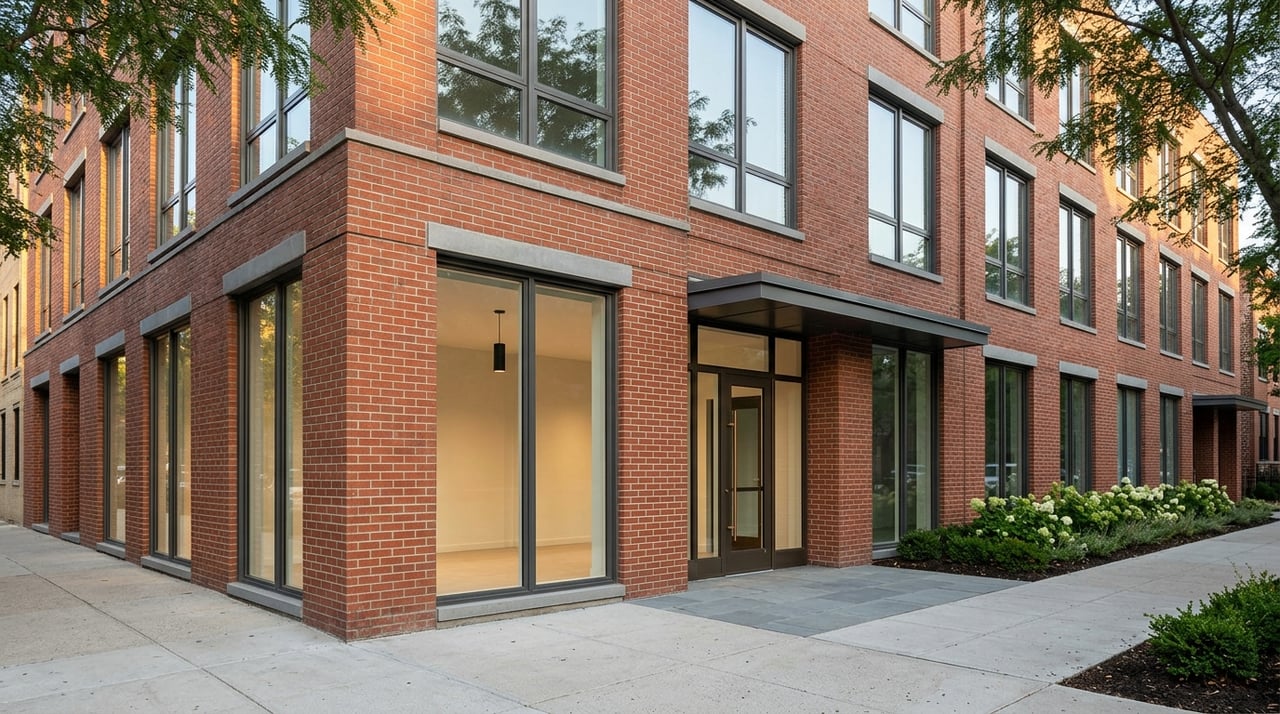
Arlington Center is another focal point for condo demand because it combines a central business district setting with strong transit access. The town’s planning documents consistently treat it as a key district center, and its historic mixed-use pattern supports a more condo-friendly housing fabric than lower-density parts of town.
The numbers point to a competitive market. In March 2026, Arlington Center showed a median listing price of $1.395 million, 14 days on market, and a 102% sale-to-list ratio. For condo buyers, that reinforces the value of nearby attached housing options when single-family pricing climbs higher.
Broadway and Arlington Heights are gaining attention
Mass Ave is not the whole story. Broadway is another important corridor, especially as the town advances its 2024 Broadway Corridor Redesign study for the stretch from Alewife Brook Parkway to Mass Ave to improve access for walking, biking, rolling, and transit.
Arlington Heights also deserves attention because it is served by routes 77, 78, and 79. The Heights Neighborhood Action Plan frames the area as a future walkable mixed-use corridor around the MBTA-owned busway, which makes it relevant for buyers watching where housing demand may deepen over time.
This does not mean every property along Broadway or in the Heights performs the same way. It does suggest that buyers are paying attention to places where public planning, transportation access, and mixed-use growth are starting to line up more clearly.
Arlington Heights shows tight market conditions
Arlington Heights already shows signs of a very active market. In April 2026, it had a median listing price of $1.3 million, 13 days on market, a 100% sale-to-list ratio, and a median rent of $2,900.
For condo buyers and small investors, that combination matters. Fast market times and solid rent levels often point to durable interest, especially in areas where future corridor improvements may strengthen everyday usability.
Arlington’s housing mix supports condo demand
One reason transit corridors matter so much in Arlington is that the housing stock is not dominated entirely by detached homes. The town’s master plan describes Arlington as a mature suburb with a relatively varied housing stock, with single-family homes making up less than half of units.
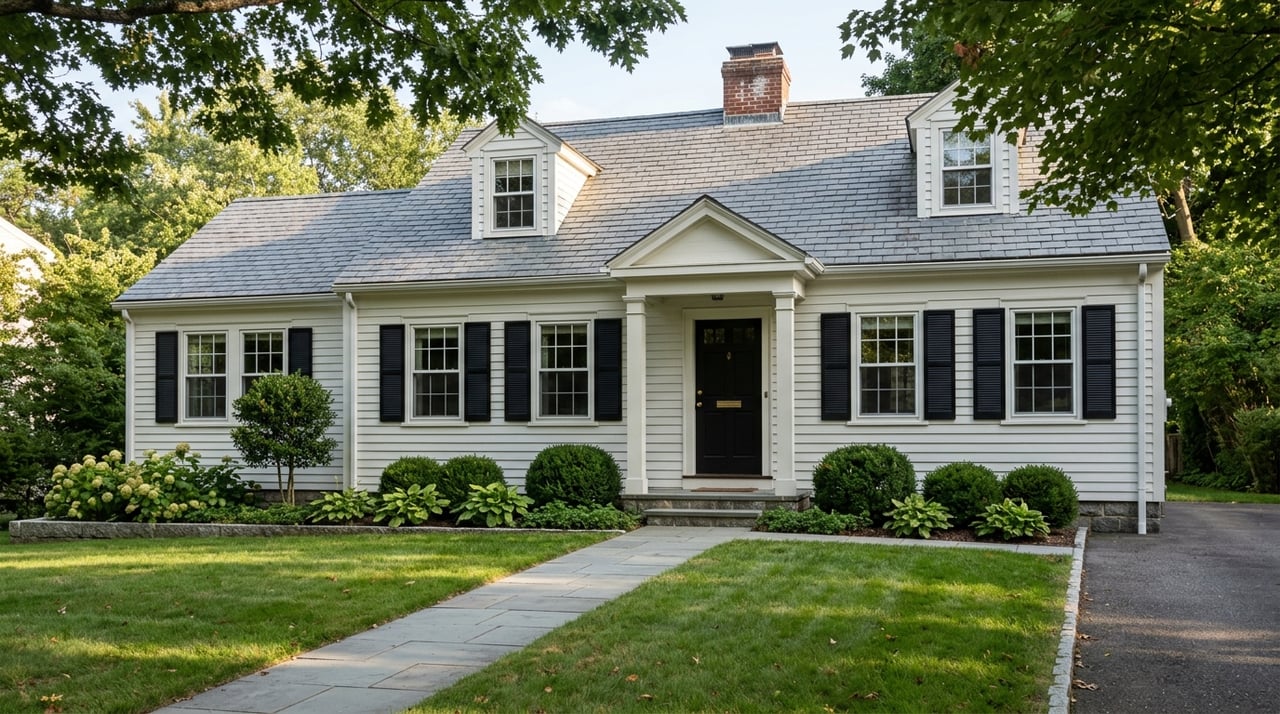
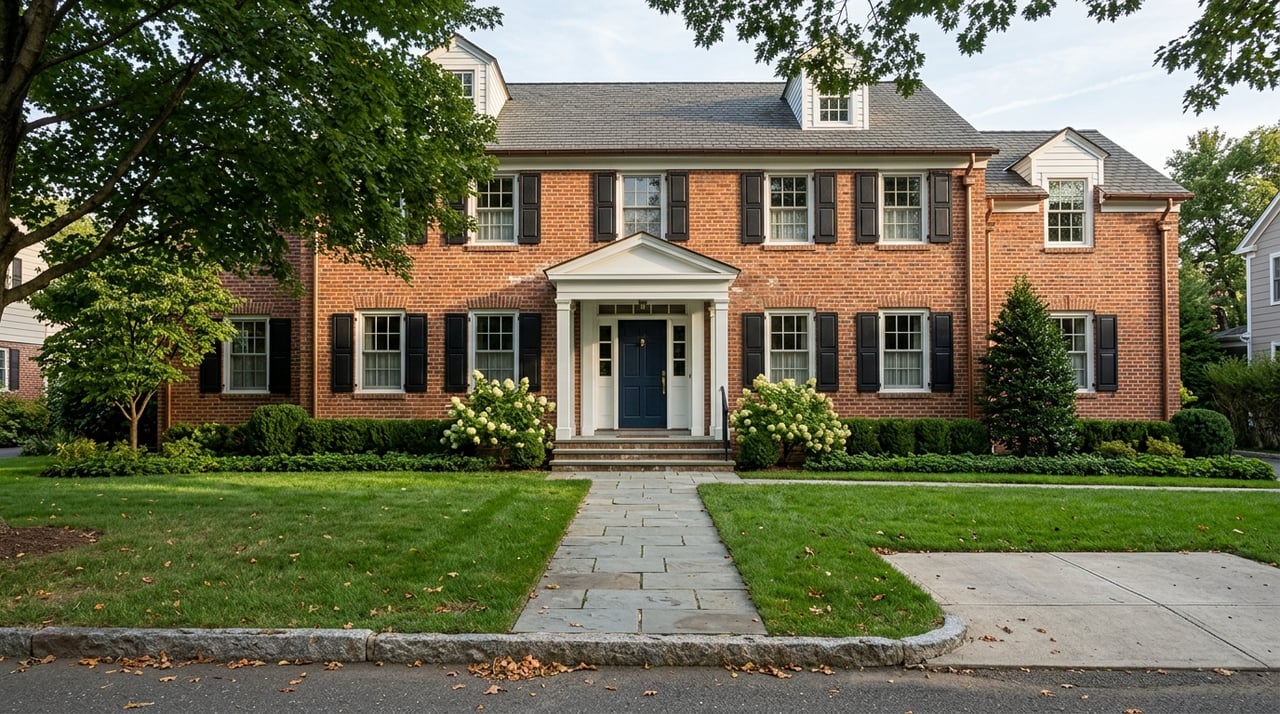
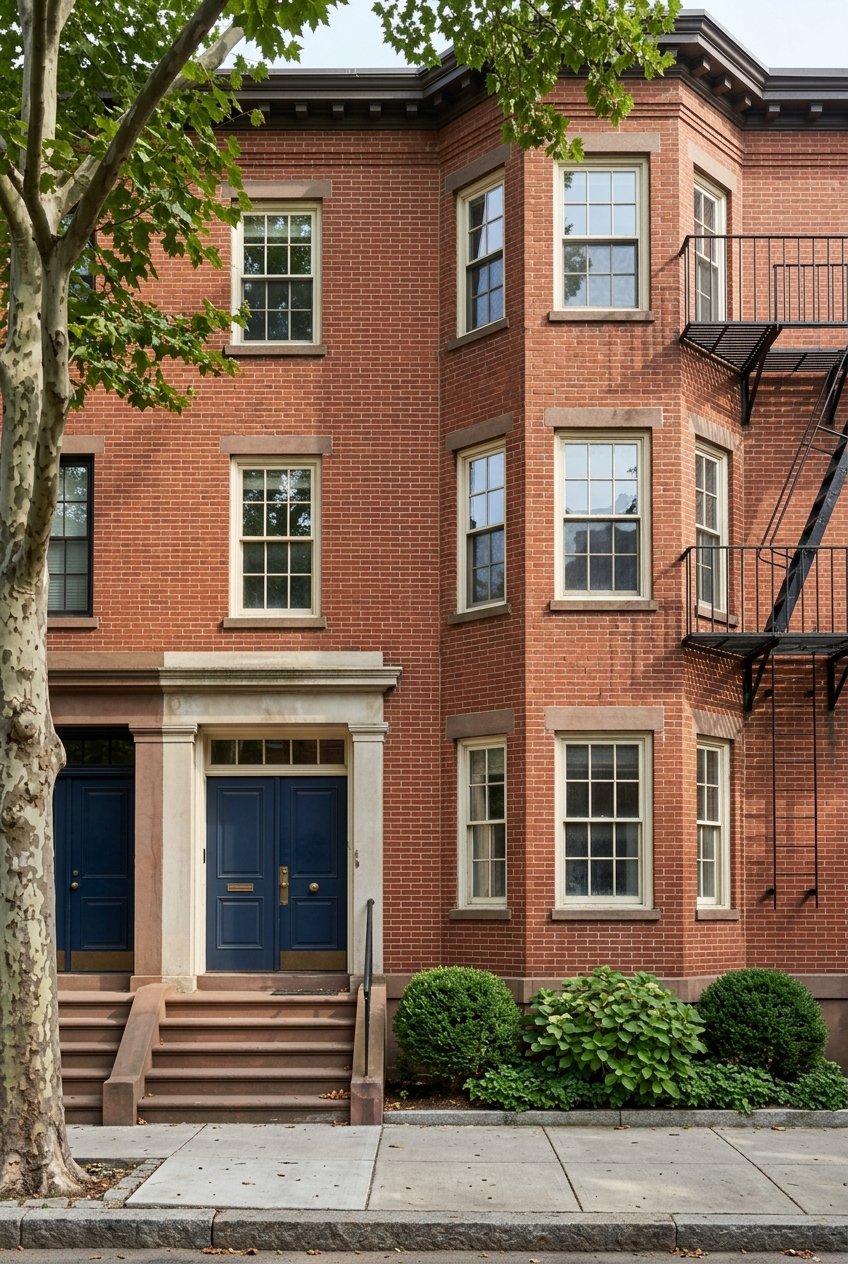
Two-family and small multi-family homes account for about one-third of the housing stock, while mid-size apartment buildings make up about one-fifth. That mix creates the physical foundation for condo opportunities, especially in converted two- and three-family properties and in small infill developments.
The same plan notes that historic mixed-use buildings are concentrated around East Arlington and Arlington Center. By contrast, areas west and north of Arlington Center have fewer multi-family dwellings, which helps explain why condo supply often feels more limited outside the main corridors.
Zoning is reinforcing the corridor pattern
Arlington’s current zoning direction strengthens the link between transit corridors and future condo supply. The town’s MBTA Communities overlay district follows the highest-frequency bus lines from East Arlington to Arlington Heights and allows by-right multi-family construction up to four stories along Mass Ave and Broadway.
The report also notes that neighborhood subdistricts generally allow three stories unless bonuses apply. With ground-floor commercial space, bonus provisions can raise height to six stories on Mass Ave and five stories on Broadway.
For buyers and investors, this is an important signal. It means future condo and apartment supply is more likely to concentrate along the same corridors that already attract demand, rather than spreading evenly across town.
New approvals show the pipeline in action
Recent site-plan approvals make that trend more concrete. In 2026, Arlington approved 840-846 Mass Ave and 17 Newman Way for a six-story, 28-unit building plus a three-story, 12-unit building.
The town also approved smaller overlay projects at 9-11 Robbins Road and 5-7 Belknap Street. In 2025, Arlington secured $5.85 million to support an affordable housing project at 840 and 846 Mass Ave and 17 Newman Way, showing that corridor-adjacent multifamily development is active across more than one price point.
Why condos remain a key entry point
Townwide, Arlington is expensive and moves quickly. As of March 31, 2026, Zillow reported an average home value of $1,081,431, up 2.3% year over year, with homes going pending in about 7 days. Redfin reported a median sale price of $1.15 million, about 4 offers per home, and a typical market time of 16 days in March 2026.
Against that backdrop, condos stand out as a more accessible option. Redfin’s Arlington condo market snapshot showed 8 condos for sale at a median listing price of $730,000, with homes typically lasting 15 days and receiving 8 offers.
That is still a premium price point, but it is materially below Arlington’s broader home value figures. For many buyers, especially professionals who prioritize commute and walkability, condos and smaller attached homes are the most practical entry point into the town.
What buyers should watch along these corridors
If you are shopping for a condo in Arlington, the corridor story can help you narrow your search faster. Demand tends to be strongest where transit access, walkability, and nearby commercial activity overlap.
That usually means focusing on property types such as:
- Condo units in converted two- and three-family buildings near Mass Ave and Broadway
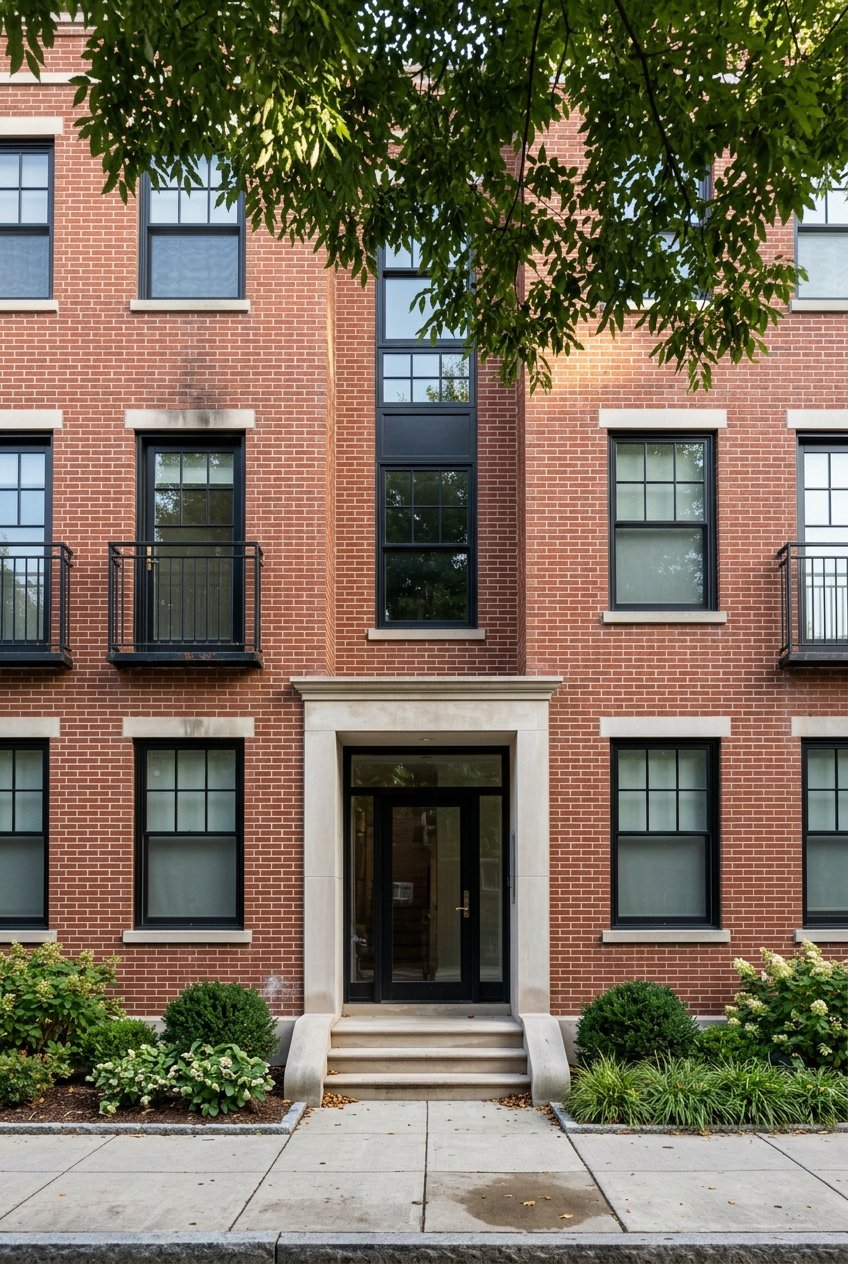
- Newer infill condos in overlay districts
- Small apartment-to-condo style projects near East Arlington, Arlington Center, and Arlington Heights
You should also pay attention to the difference between current convenience and future positioning. Some locations already have strong buyer competition because the lifestyle pattern is established, while others may gain traction as corridor redesigns and approved projects reshape the area.
What this means for investors and owner-occupiers
For owner-occupiers, Arlington’s transit corridors often offer the best balance of access and price relative to detached homes. If you want a shorter, simpler trip toward Cambridge or Boston and value a walkable daily routine, condo options near these corridors deserve close attention.
For investors, the case is more about durable demand signals. Tight inventory, fast absorption, active zoning changes, and solid rent levels in Arlington Center, East Arlington, and Arlington Heights all support the relevance of condo and small multi-unit properties in these locations.
Transit alone does not determine value. But in Arlington, the evidence strongly suggests that corridor-adjacent housing remains one of the town’s most important demand categories, especially for buyers who want strong access without paying Cambridge pricing.
If you want help evaluating Arlington condos, small multi-family opportunities, or transit-adjacent properties with a more data-driven approach, Nathan Long can help you assess pricing, location fit, and market timing with clear local context.
FAQs
Which Arlington transit corridors matter most for condo demand?
- The key corridors are Massachusetts Avenue, Broadway, and the Arlington Heights busway area because town planning and market activity both point to these locations as important centers for walkability, transit access, and housing growth.
Why are condos so competitive in Arlington, MA?
- Condos are often the lower-cost path into a town where average home values and median sale prices are much higher, and current condo listings show limited supply, quick market times, and multiple offers.
Which Arlington neighborhoods show the strongest corridor-driven demand?
- East Arlington, Arlington Center, and Arlington Heights stand out because they combine district-center activity, transit access, and tight market conditions in recent local data.
How does Arlington zoning affect future condo supply?
- Arlington’s MBTA Communities overlay follows high-frequency bus lines and allows by-right multi-family construction along Mass Ave and Broadway, which makes those corridors the most likely places for future condo and apartment development.
Are Arlington condos mainly in large new buildings?
- No. Arlington’s housing stock includes many two-family, small multi-family, mixed-use, and infill property types, so condo opportunities often include converted homes as well as newer corridor projects.