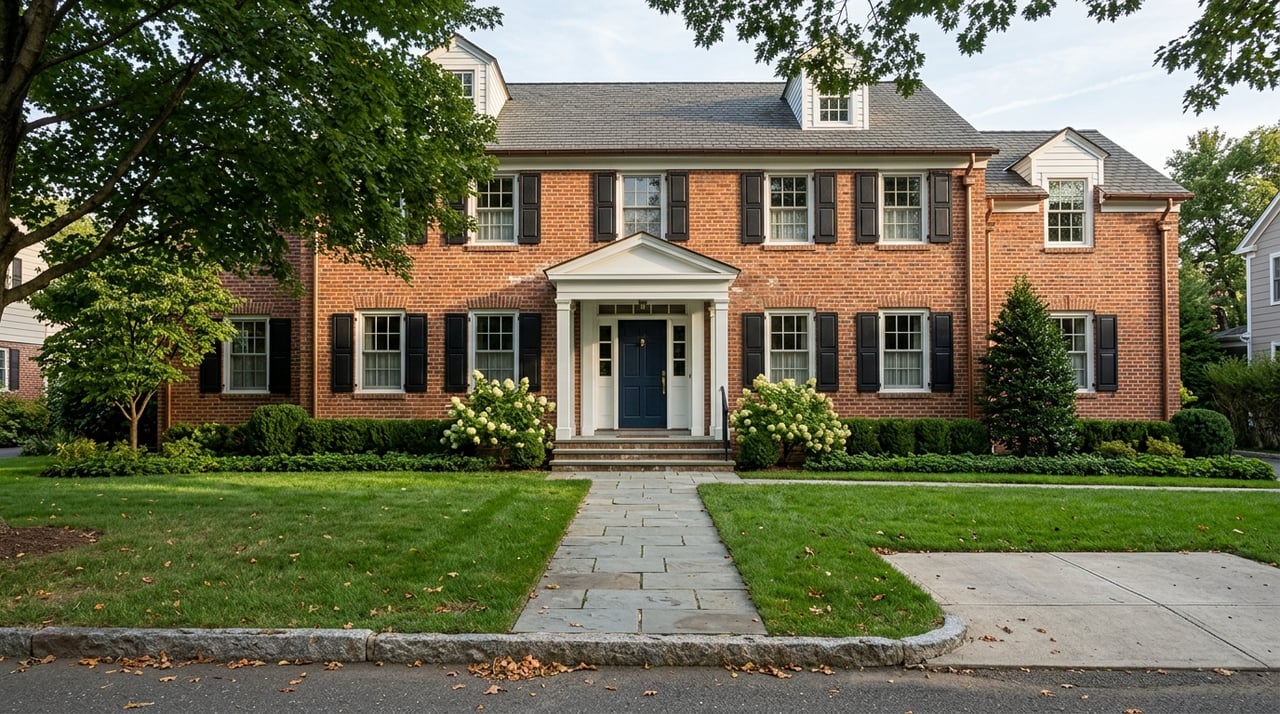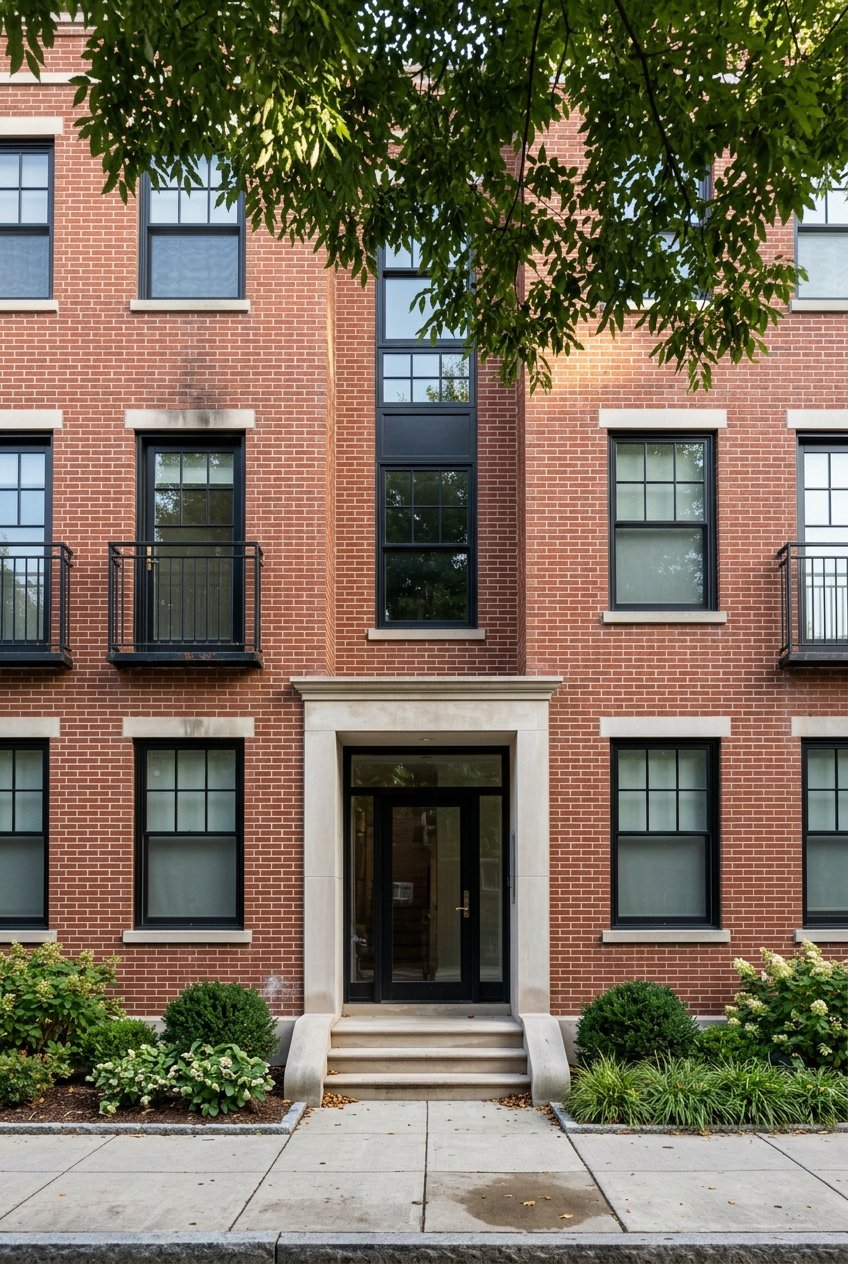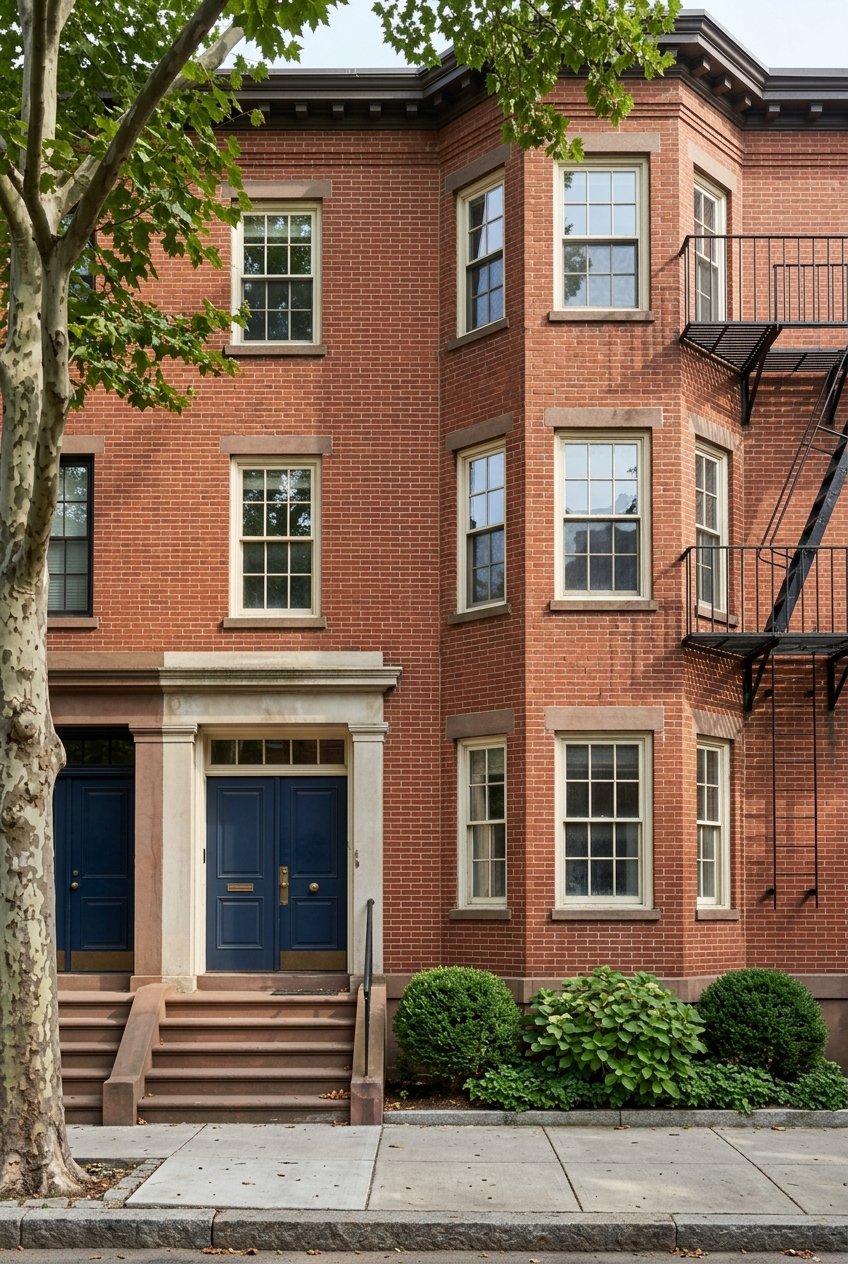
If you own a multi-family property in Cambridge, deciding when and how to exit can be just as important as deciding when to buy. In a market with high property values, strong rental demand, and local rules that can affect timing, the best strategy is rarely one-size-fits-all. The good news is that when you understand your building’s income, condition, and regulatory position, you can make a clearer decision about whether to sell now, improve first, or hold longer. Let’s dive in.
Why Cambridge exit planning is different
Cambridge stands out as a renter-heavy market. The city reports that 66.5% of occupied housing units are renter-occupied, and two-family and three-family buildings make up 22.4% of the city’s dwelling units combined. That matters because buyer demand for multi-family properties is tied closely to rent performance, occupancy, and how easily a new owner can step into the existing operation.
Pricing also reflects that demand. In 2024, Cambridge reported a median market-rate sale price of $1,542,500 for two-family homes and $1,822,500 for three-family homes. At the same time, the city’s 2025 Q3 median asking rents were $2,200 for studios, $2,785 for one-bedrooms, $3,400 for two-bedrooms, and $3,900 for three-bedrooms, excluding affordable and university-controlled housing.
Cambridge also has a deep demand base for rentals. The city’s 2025 Town Gown summary reports 24,578 students living in Cambridge across Harvard, Hult, Lesley, and MIT, while 143,399 people worked in Cambridge in 2024. That combination supports rental demand, especially in transit-adjacent and campus-adjacent areas, but it does not guarantee top pricing for every property.
Start with your three exit paths
Most Cambridge multi-family owners are really choosing among three practical paths. You may sell as a stabilized asset, hold and reposition, or complete a lease-up or light renovation before marketing. The right option depends on how your current income compares with market income and how much friction a buyer would inherit.
Sell as a stabilized asset
A stabilized sale is usually the cleanest story for buyers. CBRE defines stabilized properties as assets leased at market rents with typical lease terms and vacancy close to market averages. In plain terms, buyers are paying for current cash flow instead of a turnaround project.
This route tends to make sense when your building is already performing well. If rents are near market, vacancy is low, and deferred maintenance is limited, you can often market the property as a predictable income-producing asset. In today’s environment, that clean presentation can matter as much as the address itself.
Hold and reposition
A hold-and-reposition strategy may be more attractive if your property has a measurable rent gap or clear operational upside. That could mean upcoming lease turnover, units that have fallen behind market pricing, or deferred work that could support higher net operating income after completion.
In Cambridge, this decision should be numbers-driven. With city asking rents already at premium levels, the value-add case usually depends on specific improvements you can actually execute, not just on hoping the market bails you out. If the upside is real and the timeline is manageable, waiting can make sense. If not, a near-term sale may still be the stronger move.
Improve before listing
Some owners are caught in the middle. The building is not fully stabilized, but it also is not a major renovation play. In that case, a lease-up or light-renovation strategy before listing can improve how buyers view the asset.
That approach can be especially useful if you can resolve obvious repairs, fill vacant units, or clean up weak collections before going to market. Cambridge’s market-rate rent data are based on advertised listings, so buyers will compare your income and condition against a large pool of competing product. When unresolved issues remain, buyers often price in more risk than the work itself may justify.
The key question: income now or upside later?
Your exit strategy should start with one central question: Is your in-place income close enough to market income to justify selling now? If the answer is yes, you may benefit from presenting the building as a stabilized opportunity. If the answer is no, you need to decide whether the gap is fixable in a cost-effective way.
That analysis matters because regional multifamily conditions are active but more measured than earlier cycles. IPA reported a 4.3% Boston vacancy rate in the first quarter of 2025, while Cambridge-Somerville was the only submarket to post a vacancy increase of more than 20 basis points. Northmarq reported a 2025 median price per unit of $331,800 in Boston multifamily and an average cap rate of 5.75%, while CBRE said cap rates held steady and multifamily remains the property type investors expect to perform best over the next decade.
For you as a seller, that means buyers are still active, but they are likely to look closely at execution risk. A building with solid rents, clear records, and limited immediate capital needs may command stronger interest than one with unresolved vacancy, compliance questions, or unclear upside.
Lease timing can shape your sale
One of the biggest mistakes owners make is treating tenant timing like a last-minute issue. In Cambridge, lease structure and tenant process can directly affect your sale timeline and the kind of buyer you attract.
Massachusetts guidance states that when a tenancy is based on a lease, the monthly rent must stay the same during the lease term. That can limit your ability to adjust rents immediately before a sale. If your strategy depends on stronger in-place numbers, you need to evaluate upcoming lease expirations well in advance.
Cambridge’s Tenant Rights ordinance also adds a local compliance layer. Owners, landlords, and management companies must provide the city’s rights packet at lease inception and again when a tenancy is being terminated. The ordinance applies even to a single rental unit, and the city states that noncompliance may lead to a $300-per-day fine.
Occupied versus vacant delivery
If your buyer pool may care about vacant units or vacant possession, planning ahead matters. Massachusetts says a landlord must send a Notice to Quit before filing a summary process eviction, and tenants and belongings cannot be removed without a court order. In practice, that means vacancy is not something you can promise casually or create quickly.
For many Cambridge sellers, this becomes a strategic choice. Selling occupied may appeal to investors who want immediate income. Selling with some vacancy may appeal to buyers who want flexibility, but that path requires realistic lead time and careful planning.
Condition and compliance affect pricing
Even in a strong market, buyers discount uncertainty. Property condition is not just about appearance. It is also about how much risk a buyer sees in the first year of ownership.
Cambridge Inspectional Services enforces the State Sanitary Code and cites issues such as no heat, insufficient hot water, plumbing problems, cross metering, blocked egress, rodent infestation, and maintenance concerns. The city also re-inspects after citing a violation. If your building has deferred maintenance, open violations, or ongoing complaint history, buyers are likely to underwrite that as added complexity.
Before listing, it helps to ask a few direct questions:
- Are there open code or sanitary issues that should be cured first?
- Are there visible repairs that could undermine buyer confidence?
- Will your rent roll and operating history hold up under investor review?
- Are you marketing current cash flow, or asking the buyer to solve problems after closing?
Do not over-rely on short-term rental assumptions
Some owners look at short-term rental income as a backup plan while deciding whether to hold or sell. In Cambridge, that path is limited and should not be treated as a broad bridge strategy.
The city’s short-term rental rules allow only operator-occupied and owner-adjacent short-term rentals. Each operator may register only one unit of each type, the unit must be registered and inspected by the city, and stays are for fewer than 30 consecutive days. Units with inclusionary or income restrictions are not eligible.
For most multi-family owners, that means short-term rental conversion is not a simple fallback. If your exit math depends on unrestricted short-term rental income, it is worth revisiting those assumptions before you commit to a hold strategy.
Carrying costs matter while you wait
Holding a Cambridge asset can be attractive, but carrying costs should be part of the decision. Cambridge’s FY26 tax rates are $6.67 per $1,000 for residential property and $14.07 per $1,000 for commercial and industrial property. The city notes that FY26 values are based on market activity as of January 1, 2025.
If you are deciding between selling now or waiting for a stronger setup, confirm how the parcel is classified and what your tax bill looks like during the hold period. This is especially important if your strategy involves renovation time, lease-up time, or any delay tied to tenant turnover. The cost of waiting should be measured, not guessed.
A practical framework for Cambridge owners
When you step back, Cambridge multi-family exit planning usually comes down to three factors: current income, physical condition, and regulatory friction. Looking at those three areas together can help you avoid chasing a strategy that sounds good but does not hold up in practice.
Here is a simple way to frame it:
Sell now if
- Your rents are already near market
- The building has limited deferred maintenance
- Lease terms and tenant status support a clean marketing story
- You want to market existing cash flow rather than future upside
Improve first if
- There is a clear and achievable rent gap
- A few repairs or updates could reduce buyer pushback
- Lease rollover is near enough to support better income presentation
- The cost and timeline of improvements are realistic
Hold longer if
- You have a specific, numbers-backed value-add plan
- Carrying costs are manageable during the hold period
- Compliance and tenant process risks are under control
- Waiting is likely to create measurable NOI growth, not just hope for appreciation
Why presentation matters in a Cambridge sale
In a market like Cambridge, buyers often move quickly to compare one property against another. They look at the rent roll, lease schedule, property condition, and whether the story makes sense. Strong presentation can help reduce friction and make the opportunity easier to underwrite.
That is why preparation before launch matters. Clear financials, organized lease information, and a realistic market position can help your property compete more effectively, whether you are targeting investors or owner-occupant buyers looking at a smaller multi-family. In many cases, the best exit is not just about timing. It is about being transaction-ready when you go live.
If you are weighing whether to sell a Cambridge multi-family now, improve it first, or hold for a more strategic exit, a data-driven review can help you compare the real tradeoffs. To talk through pricing, rent roll positioning, marketing strategy, and timing, schedule a Cambridge market consultation with Nathan Long.
FAQs
What is the best exit strategy for a Cambridge multi-family property?
- The best strategy depends on your current rents, building condition, lease timing, and local compliance position. For many owners, the choice is between selling as a stabilized asset, improving the property before listing, or holding for a clearly defined value-add plan.
How do Cambridge rents affect a multi-family sale?
- Buyers often compare your in-place income against Cambridge’s current asking rents. If your rents are close to market, your property may be easier to market as a stabilized investment. If there is a large gap, buyers may underwrite the asset as a repositioning opportunity.
What should Cambridge owners review before listing a multi-family building?
- You should review lease expirations, tenant status, rent levels, open maintenance issues, code or sanitary concerns, and carrying costs such as property taxes. These factors can all affect pricing, buyer interest, and sale timing.
Can a Cambridge owner sell a multi-family property vacant?
- Possibly, but vacant delivery requires planning. Massachusetts requires a Notice to Quit before a summary process eviction can be filed, and tenants cannot be removed without a court order.
Are short-term rentals a good backup strategy for Cambridge multi-family owners?
- Usually not as a broad solution. Cambridge limits short-term rentals to operator-occupied and owner-adjacent units, requires registration and inspection, and allows only limited unit types under the city’s rules.
Why does property condition matter so much in a Cambridge multi-family exit?
- Buyers look beyond headline rents and pricing. Deferred maintenance, open violations, or unresolved tenant complaints can make the asset more complex and may lower what buyers are willing to pay.