If you own a triple-decker in Somerville, you may be sitting on a valuable asset and a complicated decision. In a city with high rents, strong housing demand, and an older housing stock, both selling and holding can make financial sense depending on your building and your goals. This guide will help you weigh the numbers, the property condition, and the local rules so you can make a more confident next move. Let’s dive in.
Somerville Market Context
Somerville remains a high-demand housing market with limited space and a large renter base. According to the city’s 2024-2028 Consolidated Plan, the city has 82,149 residents, a 34.2% owner-occupied housing rate, median gross rent of $2,517, and median household income of $132,572. Those numbers help explain why small multifamily properties continue to attract both investors and owner-occupants.
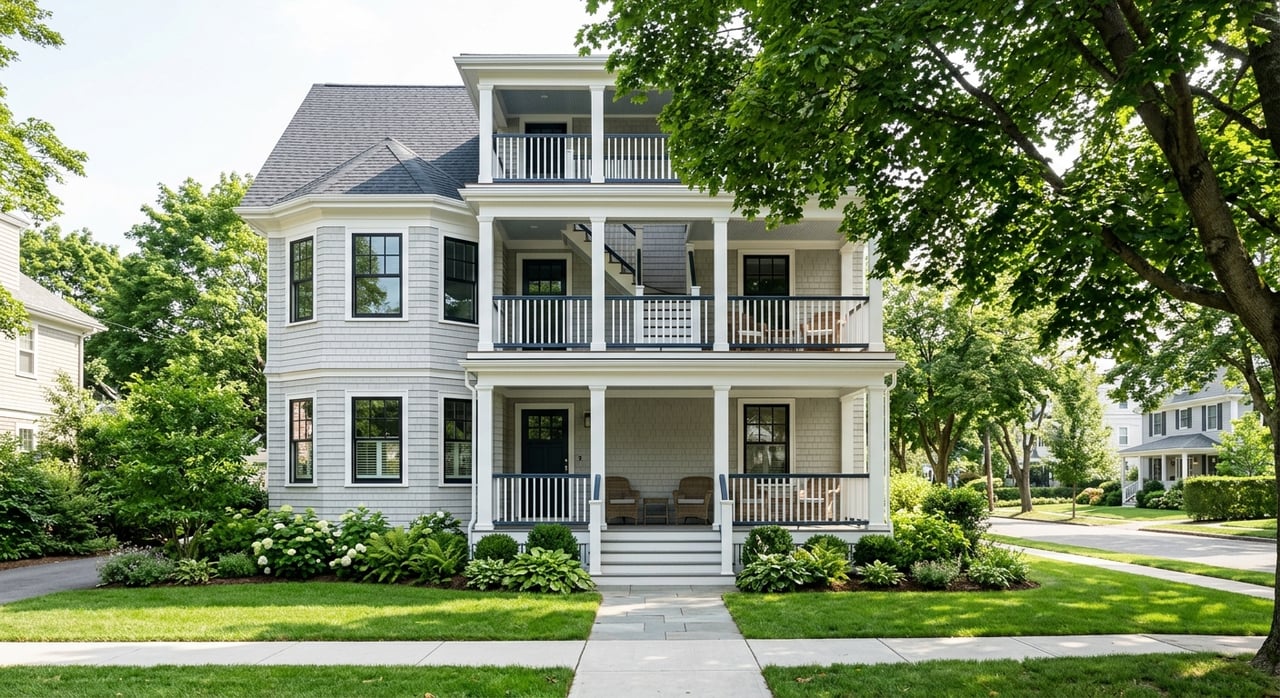
Triple-deckers are a major part of the local housing mix. The same city plan says about 55% of Somerville’s roughly 36,000 housing units are in 2-4 unit structures, while only 11% are single-family homes. That means your property type is not niche in Somerville. It is central to the city’s housing supply.
Age is another big part of the story. The city reports that 59% of units were built before 1940 and 82% before 1980, which is why many triple-deckers face ongoing repair, safety, and system-upgrade needs. If you are deciding whether to sell or hold, that age profile matters just as much as the rent roll.
Why Holding Can Still Work
For some owners, keeping a Somerville triple-decker can still be a strong long-term play. The city’s FY26 property tax update says apartment buildings continue to appreciate citywide, with 4-8 unit and 9+ unit buildings showing increasing rents and low vacancies. Even if short-term price growth has cooled, the broader demand story remains intact.
Current asking rents also support the hold case. As of April 2026, Apartments.com local rent data lists average rents in Somerville at $3,266 for a one-bedroom, $4,043 for a two-bedroom, and $4,099 for a three-bedroom. That does not guarantee your building will hit those numbers, but it does suggest there may be upside if your rents are below market.
Holding may make even more sense if your property is in decent shape and your units are easy to lease. In that case, you may be able to improve income over time without taking on a full repositioning project. Somerville’s location and transit access continue to support rental demand, and the city has described itself as highly desirable for the regional workforce in its housing planning documents.
Tax Costs Can Change the Math
Strong rents do not tell the whole story. Your carry costs matter, especially in a market where taxes and surcharges can chip away at cash flow.
For FY26, the city lists a tax rate of $10.98 per $1,000 for residential property and $18.94 per $1,000 for commercial property in its property tax update. On top of that, Somerville increased its Community Preservation Act surcharge from 1.5% to 3% starting in FY26.
If you live in the property as your principal residence, the residential exemption could materially improve the hold case. The city says its FY26 35% residential exemption can save qualifying owners up to $4,578. If you are an owner-occupant, you should model that benefit separately because your numbers may look very different from those of a fully non-owner-occupied building.
Why Selling May Be the Better Move
Selling can make sense when your equity is high, your repair list is growing, or your management burden no longer feels worth it. In Somerville, many long-time owners are sitting on substantial value. The city’s FY26 tax update lists an average assessed value of $1,474,682 for 3-family homes, which gives useful context for what owners may be able to unlock.
Market pricing also remains elevated. PropertyShark’s Q4 2025 Somerville market data reported a median sale price of $875,000 with 88 transactions and roughly flat year-over-year price growth. Even without rapid appreciation, Somerville is still a high-equity environment.
A sale may also be attractive if your building is heading into a major capital cycle. The city’s housing plan identifies common rehab needs in older properties such as roofs, windows, heating systems, and lead paint. If your triple-decker needs several of those items at once, selling before major work begins may be the cleaner and lower-risk option.
Building Condition Is Often the Tiebreaker
In Somerville, building condition often decides the issue. Because so much of the housing stock is old, deferred maintenance can quickly change a hold from workable to expensive.
The city’s assessing department says assessments are based on market changes and informed by sales verification, condition checks, and income and expense information from apartment properties. The office also performs cyclical inspections on properties that have not been inspected or sold in the last ten years. That is a practical reminder that property records, maintenance history, and physical condition all matter when you are thinking about pricing, refinancing, or going to market.
If your building needs work, you may still have support options. The city’s housing programs page outlines repair assistance and lead-paint support for qualifying owners, though those programs may come with affordability and compliance requirements. For some owners, these programs help justify holding. For others, the added process confirms that a sale is the simpler path.
Renovation Potential Can Support a Hold
Not every older triple-decker needs to be sold just because it needs updates. If the layout works and the location is strong, targeted improvements can improve rents, livability, or future resale.
Somerville’s 2019 zoning overhaul allows several common upgrades by-right, including dormers, bay windows, rear additions, and porches. That does not eliminate cost or planning, but it can reduce friction for owners who want to improve rather than exit.
This matters most when your building has clear upside and manageable repair needs. A measured renovation plan may support better cash flow and a stronger long-term asset. If the work list is broad and expensive, though, the same facts may point toward selling instead.
Condo Conversion Is More Regulated
Some owners think of condo conversion as the middle path between holding and selling. In Somerville, that path has become more regulated.
In October 2025, the city strengthened tenant protections in its condo conversion ordinance. According to the city, owners now face a two-year notice period for formally tenanted vacant units and higher relocation payments. That means condo conversion may involve more time, cost, and compliance than a straightforward market sale.
If condo conversion is part of your thinking, it is important to compare that route against the likely net proceeds of selling the building as-is or after selective improvements. In many cases, the simpler path wins.
A Practical Sell-or-Hold Framework
If you want a more objective answer, start with a side-by-side comparison. The right decision is usually less about broad market headlines and more about your specific numbers.
Review these items carefully:
- Current rent roll
- Stabilized net operating income
- Vacancy and collection loss
- Property taxes and CPA surcharge
- Insurance costs
- Utilities and maintenance
- Deferred capital work
- Potential repair or renovation budget
- Estimated net sale proceeds after transaction costs
- Owner-occupant tax benefits, if applicable
Good records matter here. The city’s tax update notes that assessors request income and expense information on apartment properties, which reinforces how important organized financials can be before a sale or refinance. If your records are clean, you will have a much easier time evaluating your options and presenting the property to serious buyers.
The Somerville Outlook Still Supports Demand
Even with higher costs and more regulation, Somerville remains a market with strong housing demand. In the city’s 2025 State of the City address, officials said Somerville was continuing to facilitate 684 units in the affordable housing pipeline and pursuing neighborhood plans that could add more homes over time.
That broader context matters because it shows the city is still under pressure to add housing. For owners, that supports the idea that well-located multifamily property remains valuable. Still, the final decision comes down to your building’s condition, your rent profile, your tax burden, and your personal timeline.
How to Decide With More Confidence
If your triple-decker has strong rents, manageable maintenance, and a hold strategy that still produces acceptable returns, keeping it may be the better move. If your equity is substantial, your building needs major work, or you want a cleaner exit, selling may be the smarter financial decision.
The key is to evaluate the property as it actually performs today, not as you hope it might perform later. A realistic review of income, expenses, capital needs, and likely sale proceeds will usually make the right path much clearer.
If you want help evaluating a Somerville triple-decker through a practical, numbers-first lens, Nathan Long can help you review rent rolls, positioning, and likely sale strategy so you can decide whether to sell now or hold with a plan.
FAQs
Should you sell or hold a Somerville triple-decker if rents are below market?
- If your building is in solid condition and the rent upside is realistic, holding may make sense. If major repairs are needed to reach stronger rents, selling may be the cleaner option.
How do property taxes affect a Somerville triple-decker hold decision?
- Taxes, the CPA surcharge, and insurance can materially reduce cash flow, so you should model those costs carefully before deciding to hold.
Does building condition matter more than market trends for a Somerville triple-decker?
- Often, yes. In an older housing market like Somerville, deferred maintenance and capital needs can outweigh broader pricing trends.
Is condo conversion still a simple exit strategy for Somerville triple-deckers?
- No. Somerville tightened condo-conversion rules in 2025, which can add time, compliance requirements, and higher relocation costs.
What should you review before selling a Somerville triple-decker?
- You should review rent roll, income and expense records, tax costs, deferred maintenance, and estimated net sale proceeds so you can compare a sale against the value of holding.