Is your Boston or Cambridge condo starting to feel tight, but you still want easy access to the city? You are not alone. Many owners reach a point where a yard, a driveway, and an extra room matter more than an elevator and a roof deck. In this guide, you will see how Braintree stacks up on price, space, commute, taxes, and total cost so you can decide with clear numbers. Let’s dive in.
What your condo equity buys in Braintree
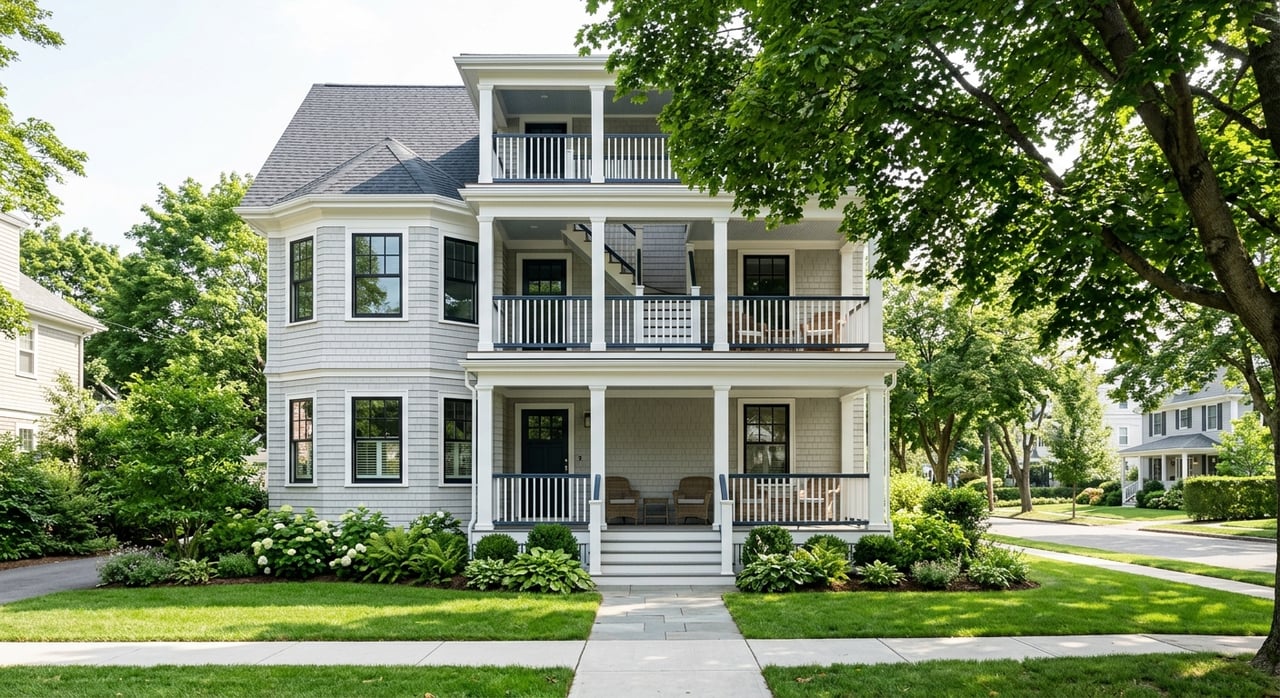
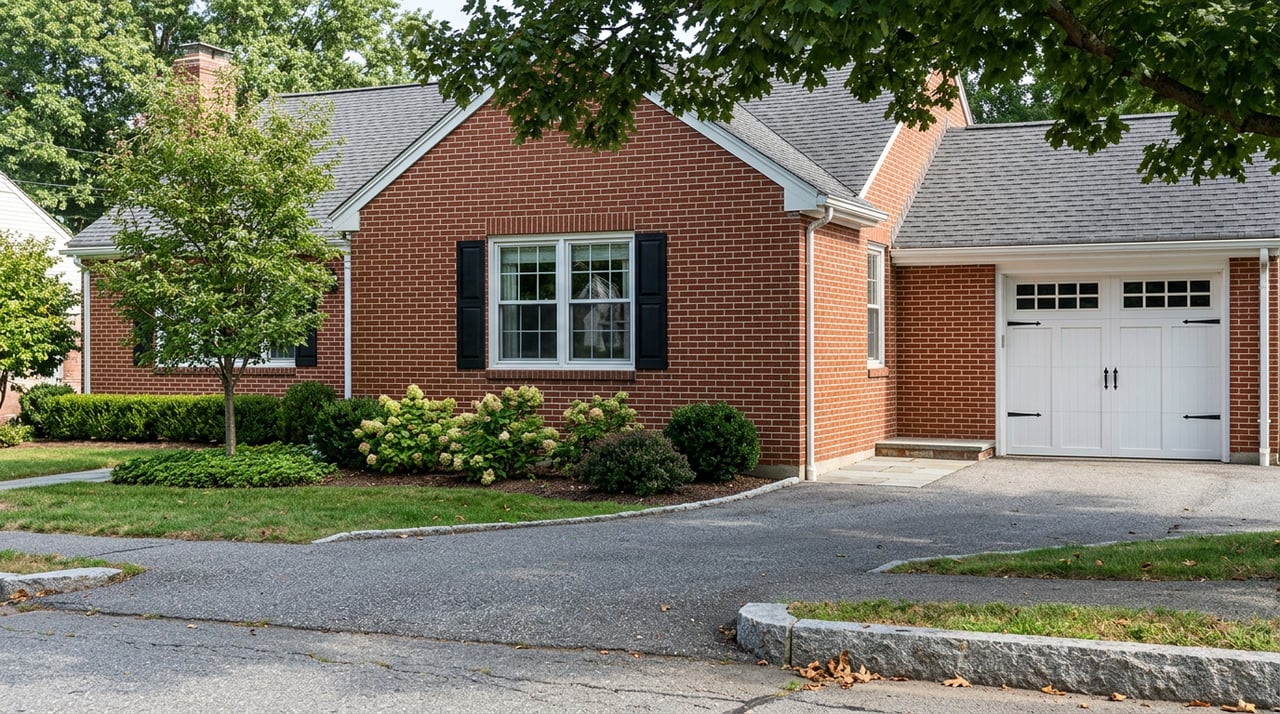
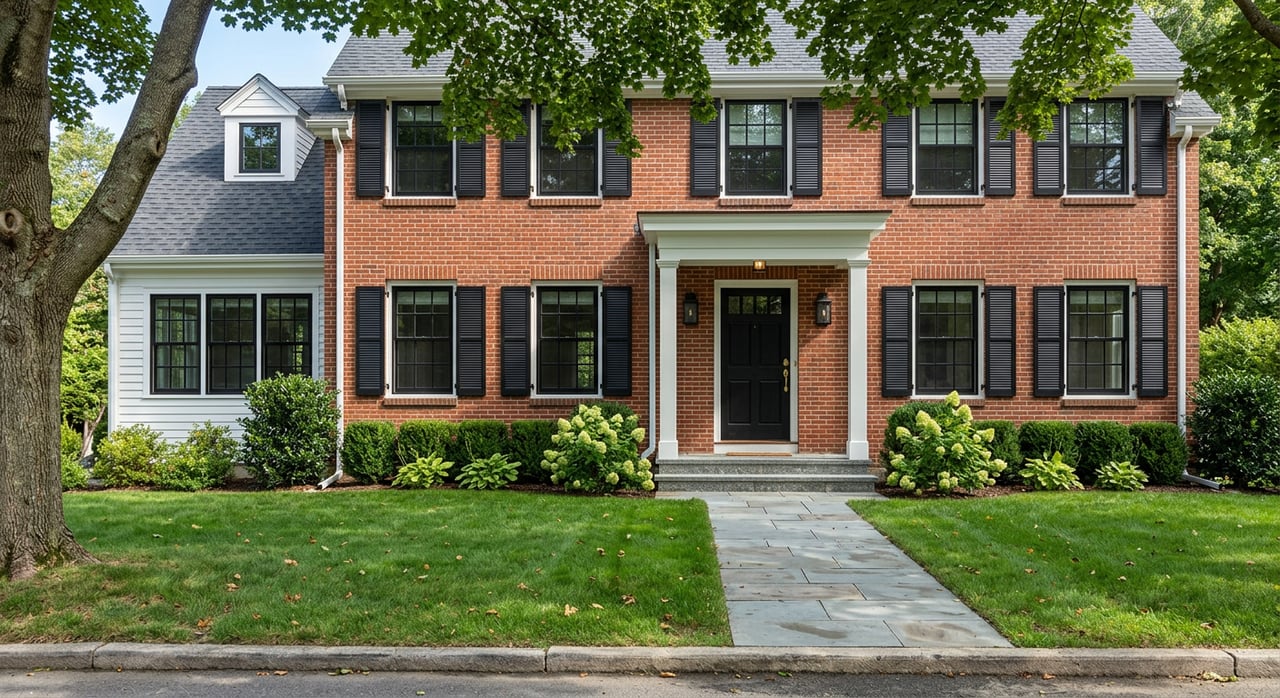
If you are moving up from a condo, the first question is simple: what can you actually buy for your money in Braintree today? Recent market snapshots show a median sale price around $650,000 for all home types, with a very competitive pace and a median price per square foot near $424. That points to solid demand for single-family homes and townhouses across the town. You will mostly find older colonials and ranches, plus some newer infill townhomes and condos near transit and commercial corridors. Recent Braintree market data provides the baseline.
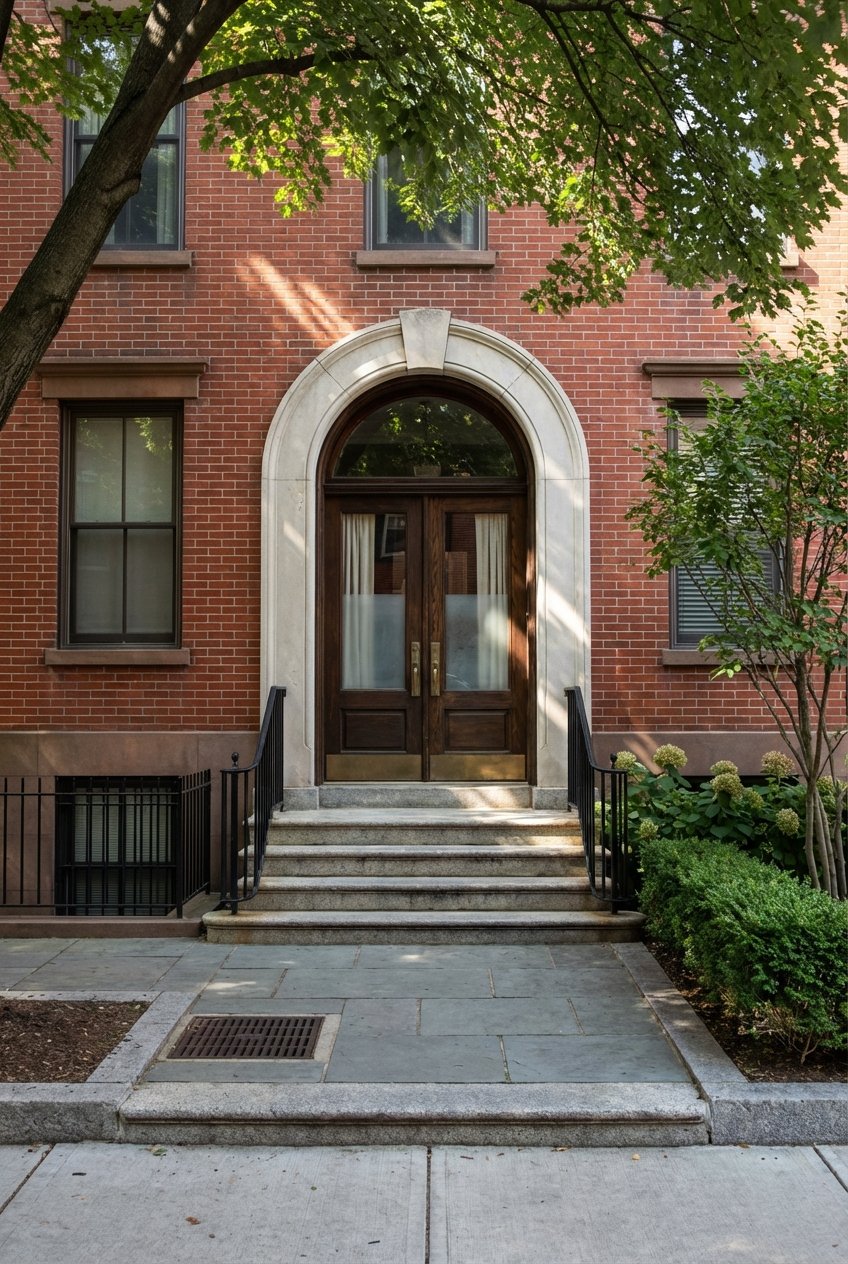
On the sell side, Cambridge condo medians have been hovering in the high 800s. At the time of this snapshot, the median listing price for Cambridge condos was about $899,000, and the city’s owner-occupied median value is over $1.0 million. This makes Cambridge condos a strong source of equity for a move. See the Cambridge condos snapshot and the Cambridge owner-occupied value context for reference.
Boston’s citywide median owner-occupied value trends lower than Cambridge but remains high compared with many suburbs, with a recent ACS median near $731,700. The catch is that Boston condo values vary widely by neighborhood, so your building-level comps matter most when you estimate proceeds. Review the Boston QuickFacts owner-occupied value for a high-level anchor and then validate with current comps.
How this plays out for buyers
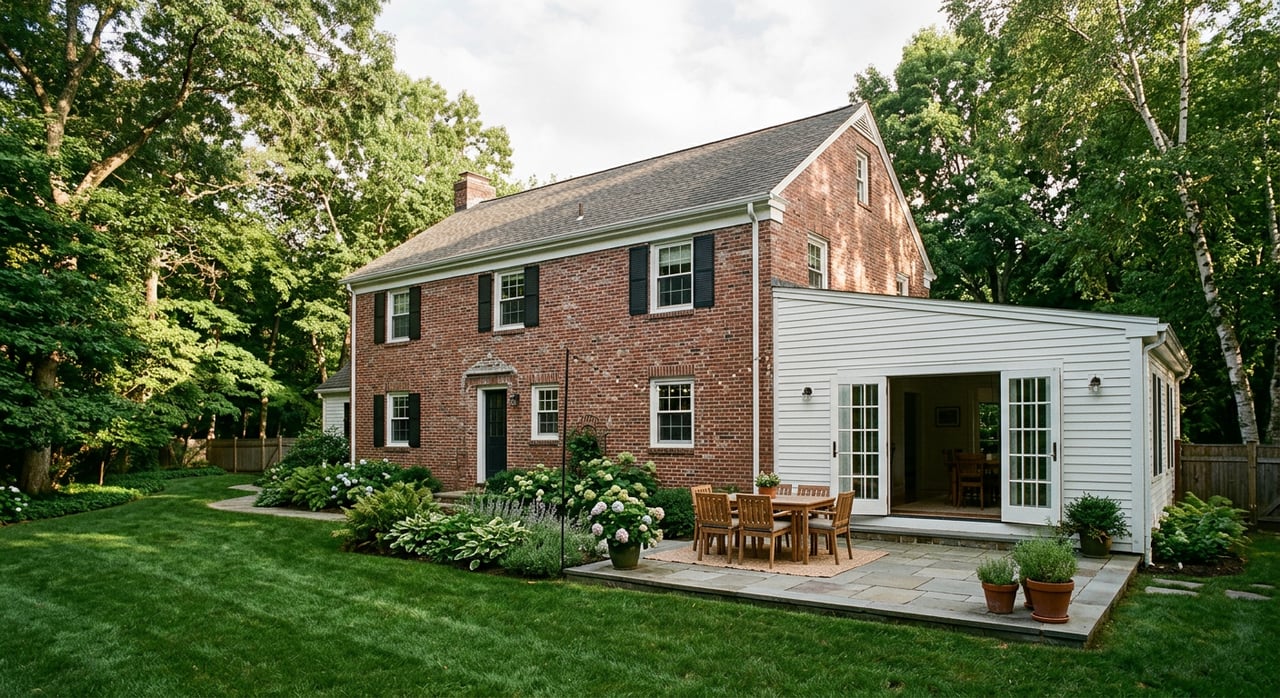
Here is the practical takeaway. If you sell a Cambridge or central Boston condo near recent medians, you can often buy a larger single-family home or townhouse in Braintree at a similar or lower purchase price. You are trading into more interior space and likely gaining a yard and off-street parking. Your total monthly cost can be similar once you factor in a new mortgage rate, property taxes, insurance, utilities, maintenance, and commute costs. The numbers depend on your exact condo proceeds and the specific Braintree home you target, so model both sides carefully.
Commute reality check from Braintree
Braintree offers solid transit access, anchored by the MBTA Red Line terminus and nearby Old Colony commuter rail service. Service patterns and travel times do vary, especially during construction or slow-zone work, so plan to test your actual route.
- Commuter rail minutes. Local reporting and MBTA notices indicate a Braintree to South Station trip of about 24 minutes. This can be a useful option during Red Line work. See the Beacon Hill Times service update.
- Red Line range. Typical Braintree to central Boston or Kendall trips often land in the 20 to 35 minute window, depending on headways, slow zones, and transfers. System reliability has improved in places but remains variable at times. Coverage of recent slow-zone changes helps explain the range. See Streetsblog Mass. on speed improvements.
Driving is straightforward in theory and variable in practice. Braintree sits at the junction of I‑93 and Route 3, which offers a direct shot toward Boston. Peak congestion on the Southeast Expressway can stretch drive times, so test your door-to-door trip during your usual commute window. The state’s prior congestion analysis remains a useful backdrop on variability along these corridors. Review the Congestion in the Commonwealth report.
Bottom line on commute: if you need a short, predictable one-seat ride every day to a Cambridge or downtown desk, factor in the extra time and variability from Braintree. If your schedule is hybrid or flexible, the added space and value may outweigh the commute tradeoff.
Taxes and monthly carrying costs
Property taxes vary by city and can shift your monthly budget in noticeable ways. Use current municipal rates and your assessed value to estimate your bill.
- Braintree’s FY26 residential rate is $10.06 per $1,000 of assessed value. See the Braintree Assessors page.
- Cambridge’s FY26 residential rate is $6.67 per $1,000 and includes a residential exemption for owner-occupants, which reduces many bills. See the Cambridge FY26 property tax update for current rates and exemption details.
- Boston’s bills depend on assessed value, residential exemptions, and the 1 percent Community Preservation Act surcharge. Use the city’s resources and calculator for an accurate projection. Visit Boston Assessing.
Example for context. If a Braintree home is assessed at $700,000, the rough annual tax at $10.06 per $1,000 would be about $7,042 before any exemptions. The same assessed value at Cambridge’s $6.67 rate would yield about $4,669 before exemptions. Your actual bill will differ based on final assessed values and, in Cambridge and Boston, applicable exemptions.
Beyond taxes, budget for homeowners insurance, utilities, and maintenance. Braintree’s single-family stock tends to be older than many newer city condos. That can mean near-term work on roofs, heating systems, or electrical. During due diligence, inspect carefully and plan a realistic maintenance reserve.
Market dynamics and risks to plan around
Braintree is competitive. Homes often draw strong interest with relatively short days on market. You should be pre-approved, clear on your inspection strategy, and ready to move when the right house appears. Review the Braintree market snapshot for current pace and pricing context.
Transit reliability can swing week to week. Red Line slow zones have improved in places, but travel times still vary, especially during work windows. If low-friction transit is critical to your day, test your trip multiple times before you buy. See the Streetsblog Mass. coverage for recent context.
Flood and climate exposure merit a look. Some parts of Braintree show measurable medium-term flood risk on common listing platforms. When you compare a city condo to a single-family lot, check the property’s elevation, any flood history, and whether flood insurance could be required. The Braintree market page highlights town-level risk indicators you can use as a starting point.
Who Braintree tends to fit best
- You want more interior space, a yard, and a driveway without jumping far beyond your condo’s likely sale price.
- You have a hybrid work setup or are comfortable with a commute that can vary by day and mode.
- You value a suburban South Shore mix of older colonials and ranches, with townhomes and some condo options near transit.
- You are ready to take on routine single-family maintenance and prefer owning the whole structure over an HOA lifestyle.
If that sounds like you, Braintree can be a smart move-up target. If you need a five-minute door-to-desk commute every day or prefer full-service condo amenities, staying closer in may remain the better fit.
Quick move-up checklist
Use this to compare your current condo to a Braintree purchase.
- Net proceeds from your condo sale using fresh building-level comps.
- Target purchase price in Braintree based on recent medians and active listings.
- Monthly housing cost: mortgage at today’s rate, property taxes at FY26 rates, homeowners insurance, any HOA, utilities, and a maintenance reserve.
- Commute test: time your door-to-door trip by Red Line, commuter rail, and driving across 3 to 5 typical days. Reference the MBTA service update context.
- School and district fit if relevant. Review official MA DESE report cards for the exact schools that serve your address.
- Long-term resale drivers: proximity to MBTA, overall house condition, and neighborhood amenities compared with what drives condo demand in your current market.
Next steps
If you are weighing a move from a Boston or Cambridge condo to a Braintree single-family or townhouse, build a side-by-side with real numbers. Use current comps, FY26 tax rates, and live commute tests, then layer in maintenance and insurance. When you are ready for a data-driven plan tailored to your address, schedule a Cambridge market consultation with Nathan Long. You will get a clear pricing strategy for your sale, a focused search for the right Braintree targets, and a total cost model that makes your next move confident.
FAQs
What does a typical Braintree home cost compared with a Cambridge condo?
- Recent snapshots show Braintree’s median near $650,000 while Cambridge condo medians list around $899,000, so many sellers can trade into more space at a similar or lower price.
How long is the commute from Braintree to downtown Boston?
- The commuter rail is about 24 minutes to South Station and the Red Line often runs 20 to 35 minutes depending on service conditions, so test your route during your normal hours.
How do property taxes in Braintree compare to Cambridge and Boston?
- Using FY26 rates, Braintree’s $10.06 per $1,000 is higher than Cambridge’s $6.67 plus its residential exemption, while Boston bills depend on assessed value, exemptions, and a 1 percent CPA surcharge.
Is the Braintree housing market competitive for buyers?
- Yes. Recent data shows short days on market and frequent multiple offers, so strong pre-approval and a clear offer strategy are essential.
What extra costs should I plan for when moving into a Braintree single-family?
- Budget for homeowners insurance, higher utilities than a condo in some cases, and routine maintenance on older systems like roofs and heating, plus any flood insurance if the lot requires it.