If you want more space, a yard, and quick access to trails without giving up a practical Boston commute, Milton should be on your shortlist. You get classic New England single-family neighborhoods, village conveniences, and large regional green space minutes from your door. In this guide, you’ll see what homes look like, how much they tend to cost, and what the real commute feels like. You’ll also get clear tradeoffs to help you decide if Milton fits your goals. Let’s dive in.
Why Milton works for single-family buyers
Milton sits just south of Boston along the Neponset River and the Blue Hills foothills, so you stay close to the city while gaining room to spread out. The town is predominantly owner-occupied housing, with an owner-occupied rate around 84.7% and a population of about 28.6k. Many buyers see Milton as a way to trade a condo for a single-family home while keeping Boston employment reachable. The average commute for residents is about 32 minutes, which sets a reasonable baseline for expectations.
What homes look like in Milton
Common styles and eras
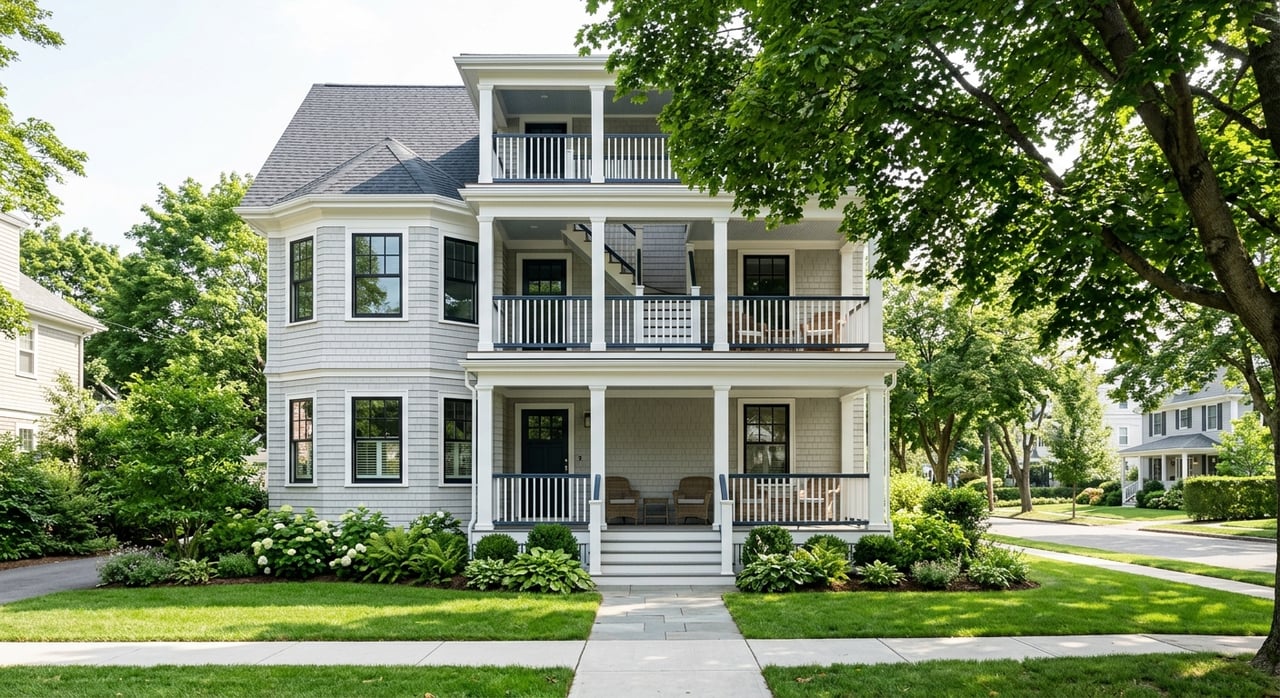
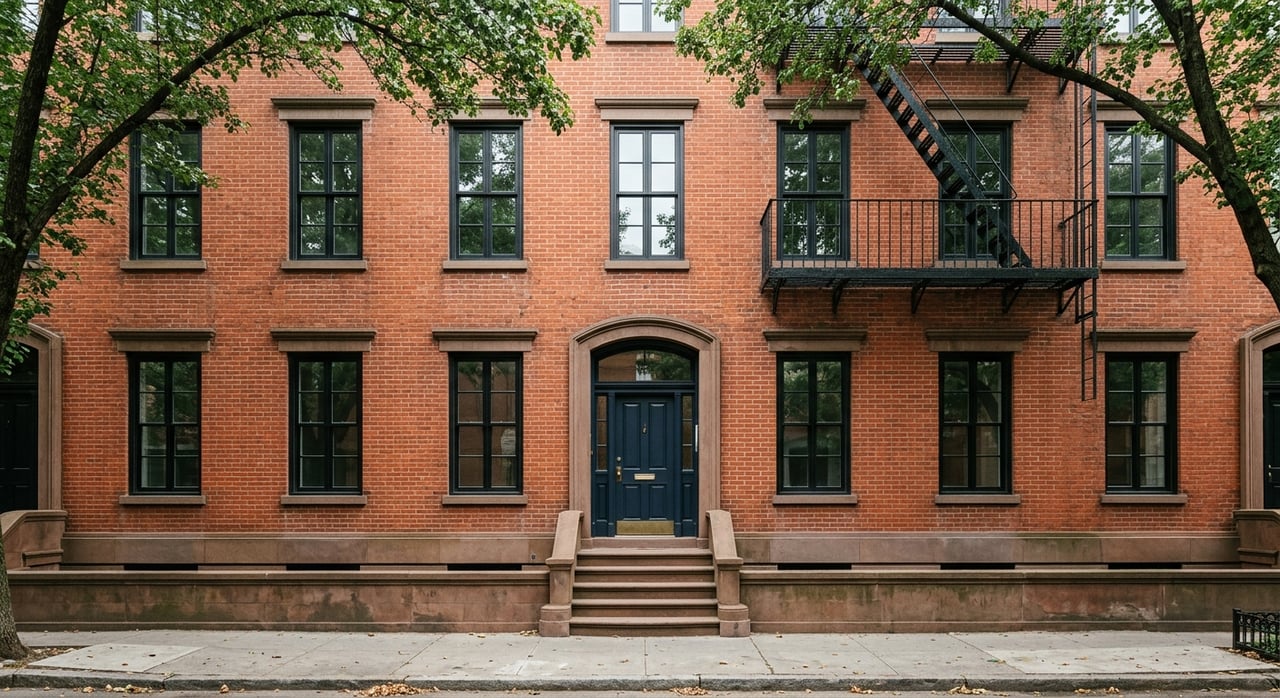
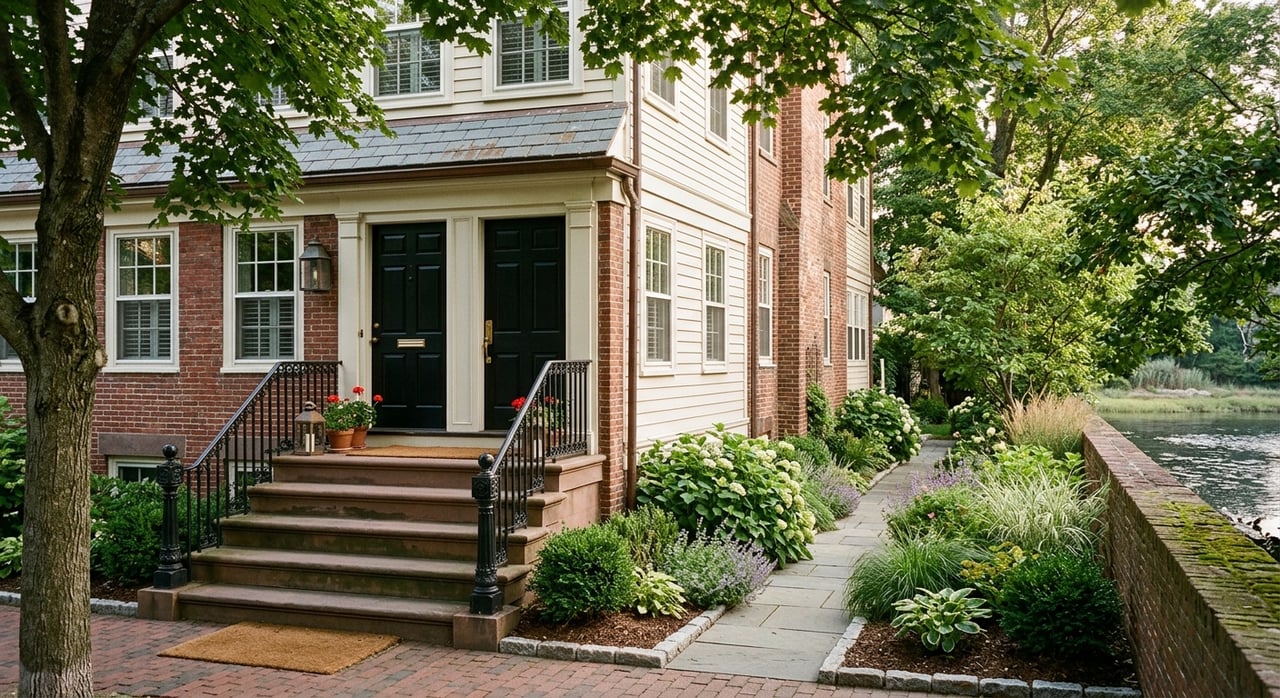
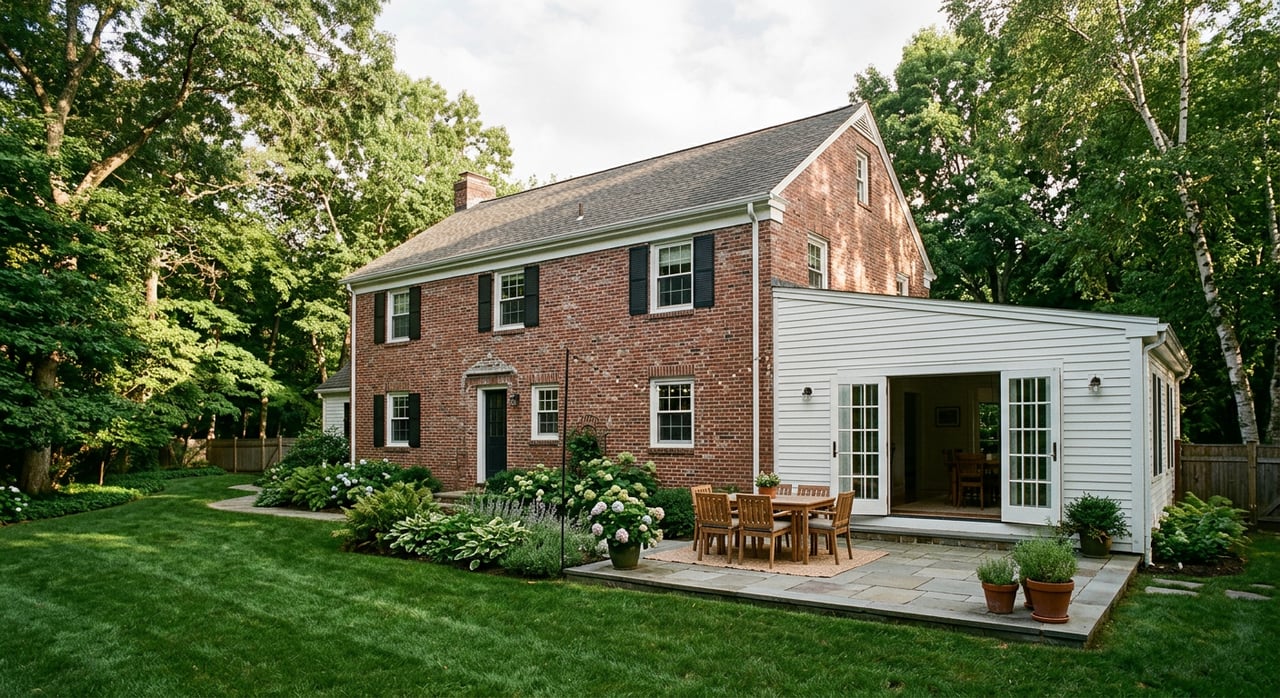
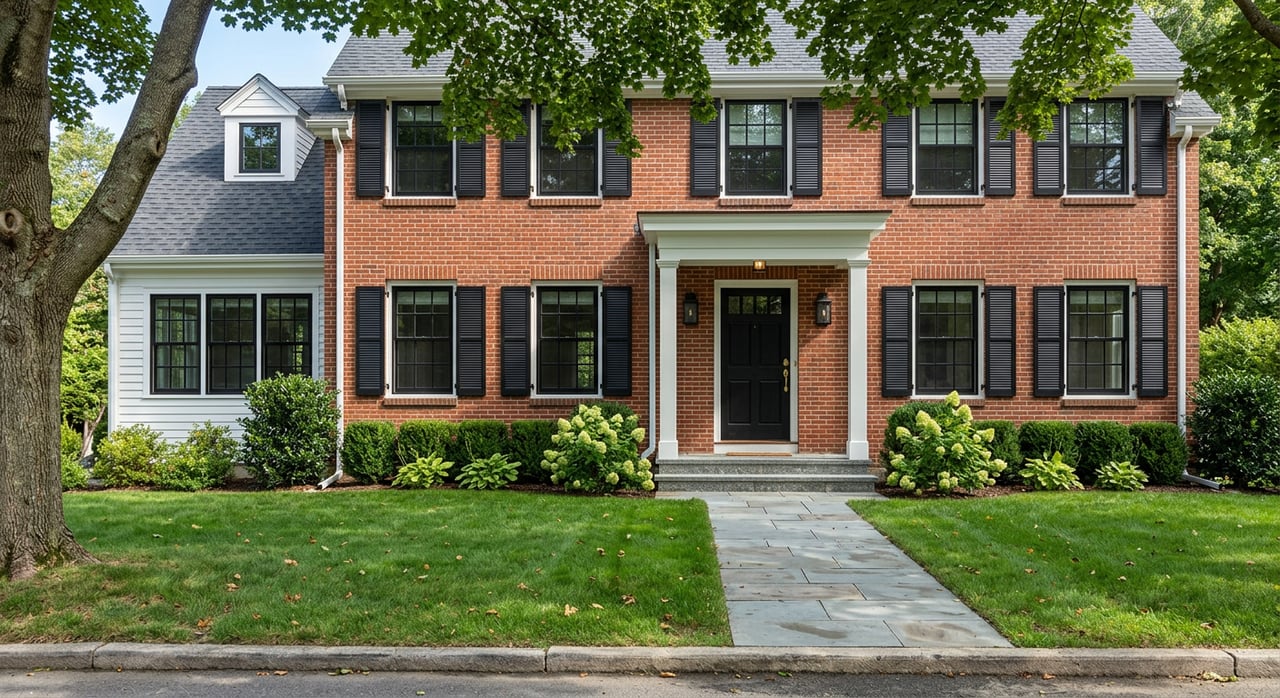
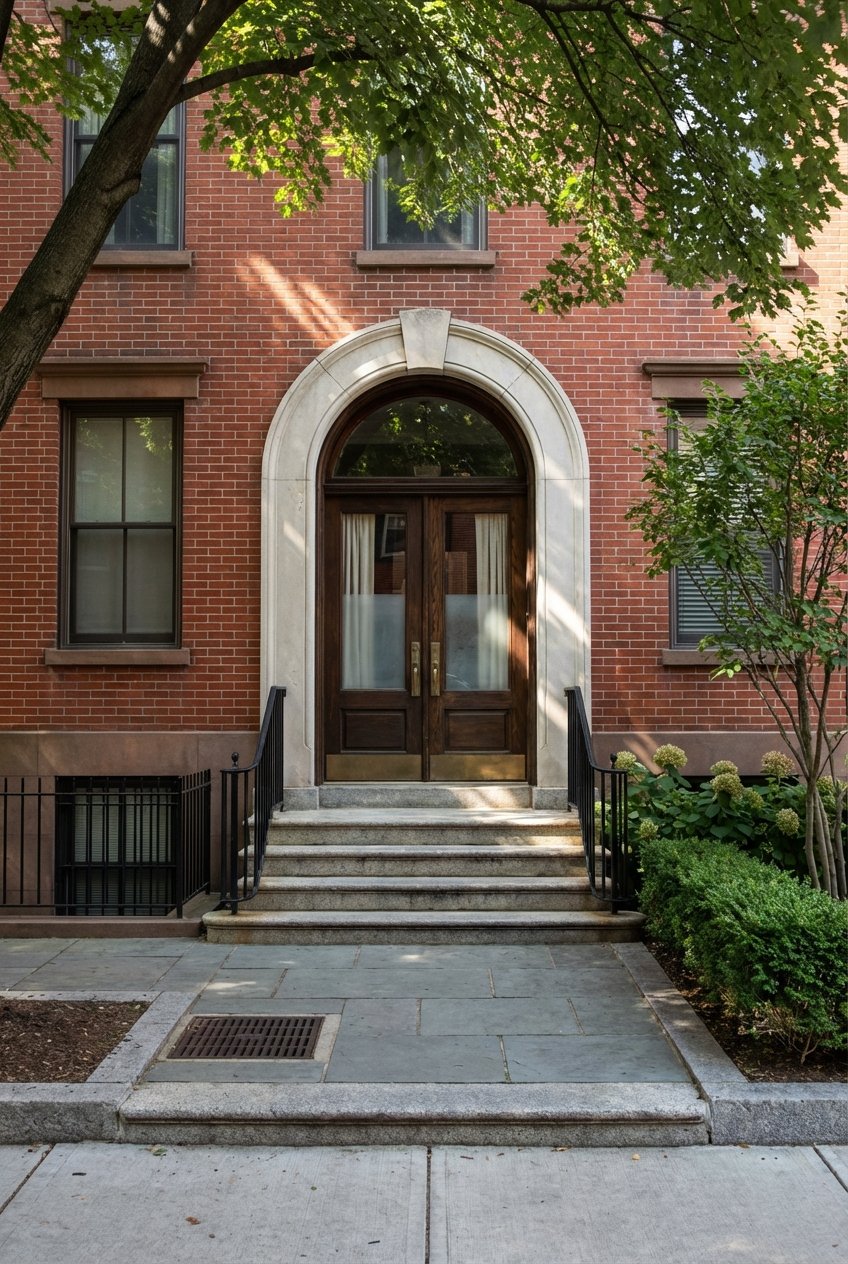
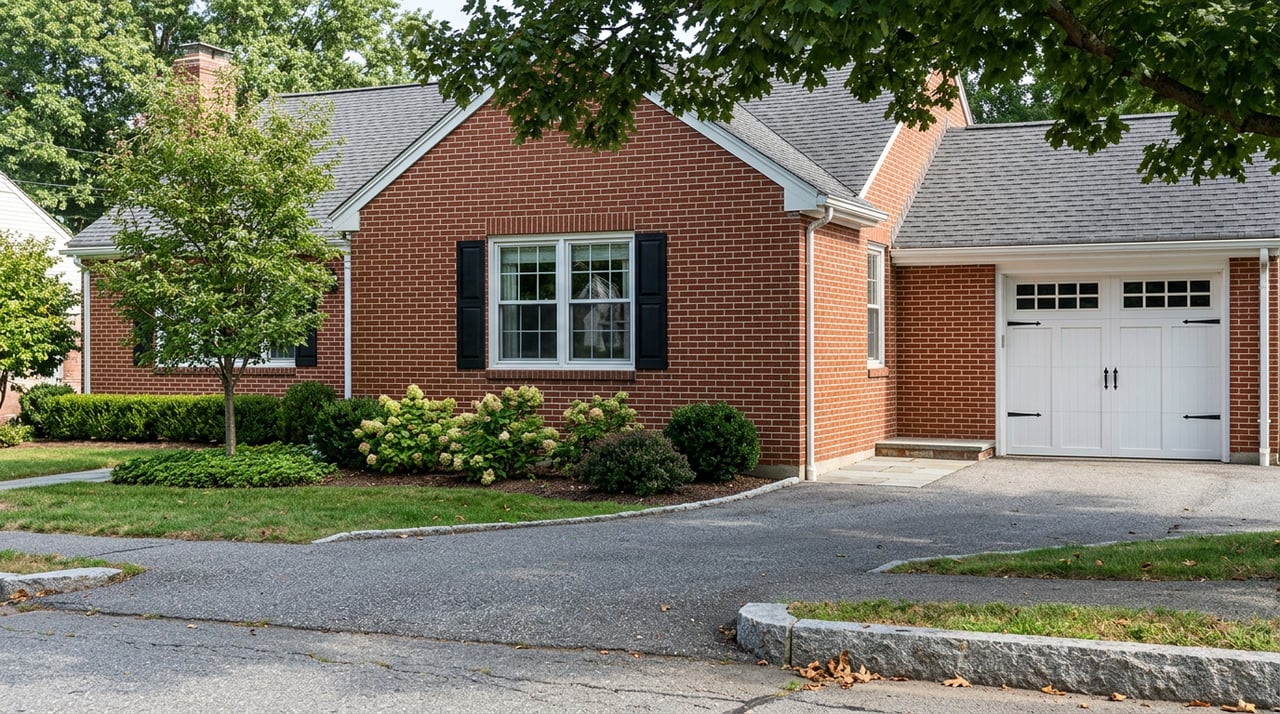
You’ll see historic depth and variety. Milton Hill features Colonial and Federal-era homes, while other areas include late-19th and early-20th-century Victorians and shingle-style properties. Early 20th-century bungalows and Craftsman homes sit alongside classic Cape Cods and mid-century single-family houses. Several local historic districts, including Milton Village, Brush Hill, Scott’s Woods, and Railway Village, preserve neighborhood character.
Price snapshot and competitiveness
Multiple market trackers place Milton’s median home price near the high-$900Ks to around $1.0M in recent snapshots, with one January 2026 report noting about $990K. Prices vary by neighborhood, lot size, and condition, and well-kept homes in desirable pockets can move quickly. Inventory often runs tight compared with outer suburbs, which helps keep prices elevated. Market numbers change fast, so check a current MLS snapshot before you tour.
Neighborhood feel and daily life
Village centers and walkability
Milton’s small commercial nodes make errands easy in select pockets. Milton Village and East Milton Square offer restaurants, pharmacies, and neighborhood shops. Lower Mills, on the Dorchester border, blends historic mill buildings with an active dining and retail strip and quick access to the Neponset River greenway. Outside these centers, most single-family streets are quiet and car-dependent for daily shopping.
Outdoor recreation highlights
A major draw here is immediate access to large open space. Blue Hills Reservation and Houghton’s Pond sit right next door, with hiking, mountain biking, swimming, winter skiing, and views from Great Blue Hill. Along the river, the Neponset River Greenway connects Milton village areas to Dorchester and toward the harbor network, giving you bike and walking routes for daily exercise. Nearby options like Granite Links golf and local rowing or yacht clubs add to the recreation mix.
Services and shopping
You’ll find groceries, medical providers, and small restaurants spread across Milton’s village centers. For bigger retail, many residents head to adjacent Quincy, Randolph, or Boston. Day to day, you can cover essentials nearby, then make short drives for broader choices.
Commute options into Boston and Cambridge
Mattapan trolley and the Red Line
Milton benefits from the Ashmont–Mattapan trolley, with stops at Milton, Central Avenue, Valley Road, and Capen Street. You transfer at Ashmont to the Red Line for direct service into downtown Boston. Typical Red Line time from Ashmont into central stations is commonly 15 to 25 minutes, but your door-to-door trip depends on where you start, walk and wait times, and any final transfers.
Driving and parking realities
If you drive, Milton connects quickly to Route 28, Route 138, and Interstate 93. Many households blend driving with transit depending on the day, destination, and traffic. Peak congestion affects timing, so plan your route and departure window to manage variability.
Biking and mixed modes
The Neponset River Greenway gives you a low-stress bike option into parts of Dorchester and toward waterfront trails. If you work in Kendall Square or central Cambridge, a combined bike + Red Line approach or a longer road route is typical.
Plan around service changes
Transit service can vary with track work or shuttle substitutions on the Ashmont branch or the Mattapan Line. Check MBTA project notices and allow buffer time during planned maintenance.
Costs beyond the purchase price
Milton relies heavily on residential property tax revenue, which factors into monthly ownership costs. Town budget and override materials provide examples of how taxes scale with assessed values, which helps you compare single-family costs with a condo’s HOA dues. You should also budget for maintenance, utilities, and any updates, since single-family ownership shifts more responsibility to you than a condo might.
How Milton compares to Cambridge on price
Recent vendor snapshots highlight the core tradeoff. Milton’s median sale price has hovered near $990K to about $1.0M in late-2024 through early-2026 reporting. Over the same period, Cambridge’s median sale price was reported around $1.7M in one early-2026 snapshot. Providers use different methods and date windows, so treat these as directional, not absolute. The spread explains why some Cambridge condo owners look to Milton to secure more single-family space at a lower entry point than many Cambridge neighborhoods.
Who Milton fits best
- You want a single-family home with a yard and off-street parking while staying within a practical Boston commute.
- You value instant access to outdoor recreation, including Blue Hills trails, Houghton’s Pond, and the Neponset River Greenway.
- You prefer established neighborhoods with historic character and a high rate of owner occupancy.
- You’re a downsizer who wants single-level or manageable layouts near village services.
Tradeoffs to weigh
- Commute time usually rises when moving from a core Boston or Cambridge condo to Milton.
- If you prefer a one-seat ride, focus near the Mattapan trolley stops for the most convenient transit access.
- Single-family homes here often carry higher purchase prices than many condos, plus higher ongoing costs like property taxes and maintenance.
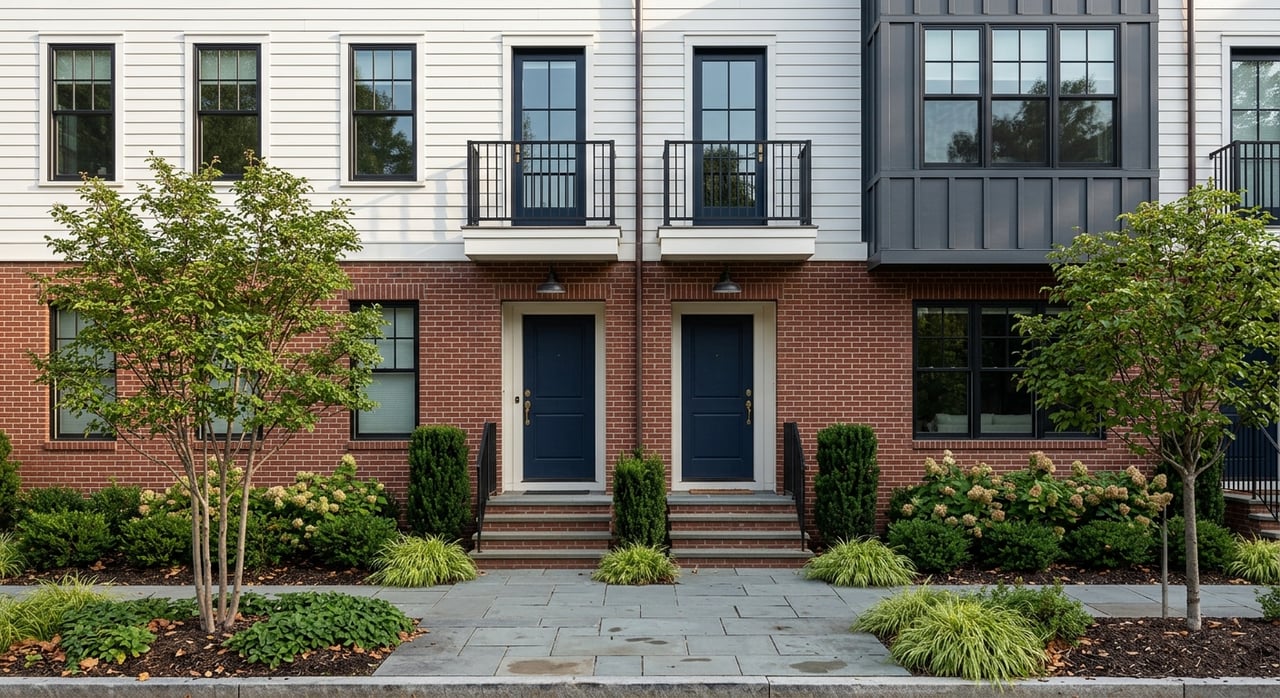
- Milton adopted MBTA-communities-compliant zoning in mid-2025 to allow by-right multifamily near transit; expect gradual change around village centers as overlays take effect.
Smart home shopping strategy in Milton
- Define your commute threshold. Map out a typical weekday door-to-door route from a few streets near trolley stops versus hilltop neighborhoods.
- Target transit-friendly pockets first. Milton, Central Avenue, Valley Road, and Capen Street corridors offer the easiest Red Line connections via Ashmont.
- Get pre-approved and move decisively. Inventory is tight and desirable homes move fast.
- Compare total monthly costs. Line up mortgage, taxes, insurance, utilities, and a maintenance reserve versus your current condo costs.
- Tour the open space. Spend time at Blue Hills and along the Neponset to see if the lifestyle fit justifies the commute tradeoff.
- Plan for updates. Older homes carry charm and potential projects; budget accordingly.
- Review school information directly. Check public district resources and state Department of Elementary and Secondary Education report cards for current data.
Next steps
If you’re weighing a move from a Boston or Cambridge condo to a Milton single-family, the right plan starts with clear price and commute targets, plus a current MLS snapshot. For a data-driven look at active listings, recent comps, and realistic door-to-door commute options, connect with a local advisor who works these tradeoffs every day. Schedule a Cambridge market consultation with Nathan Long to align your search with the neighborhoods and timelines that fit.
FAQs
How long does the commute to downtown Boston take from Milton?
- The town’s average commute is about 32 minutes. Using the Mattapan trolley plus a Red Line transfer at Ashmont, many riders see 15 to 25 minutes from Ashmont to central Boston, with total time depending on your starting street, walk and wait times, and any final transfer.
What do single-family homes in Milton typically cost?
- Recent trackers show a median near the high-$900Ks to about $1.0M, with wide variation by neighborhood, lot size, and condition. Inventory shifts quickly, so verify a current MLS snapshot when you’re ready to tour.
Which Milton areas best balance commute and single-family living?
- Properties near the Mattapan trolley stops at Milton, Central Avenue, Valley Road, and Capen Street offer the most direct transit access. Milton Village and Lower Mills provide walkable amenities, while Brush Hill and Milton Hill often feature larger lots with slightly longer walks to transit.
What should I know about Milton public schools when buying?
- Many buyers consider public schools in their decision. For up-to-date information, review Milton Public Schools resources and the state Department of Elementary and Secondary Education report cards to understand current district metrics.
Will Milton add more multifamily housing near transit?
- Yes. Milton adopted MBTA-communities-compliant zoning in mid-2025 with overlay districts near transit and village centers. The pace of new development depends on site economics, developer interest, and permitting.