Water or train? In Quincy, you can have both. If you want the calm of a waterfront walk and the speed of a Red Line commute, this guide will help you weigh neighborhoods, home types, prices, and risks so you can move with confidence. You will learn where the MBTA access is strongest, how the waterfront areas differ, what current citywide prices and rents look like, and what due diligence to do before you buy or sign a lease. Let’s dive in.
Quincy at a glance
Quincy sits about 7 to 8 miles south of downtown Boston, which is a big draw if you work in Boston or the Seaport and prefer South Shore housing options. The city counts four Red Line stations, ongoing downtown improvements, and broad waterfront access that support steady demand among buyers and renters. The population is roughly 101,000 to 103,000, owner occupancy is about 45.2%, the median value of owner-occupied homes is around $618,500, median gross rent is about $2,118, and the mean commute time is 34.7 minutes. These figures give you a quick baseline for cost and commute expectations. Source: U.S. Census QuickFacts
For a market snapshot, the Zillow Home Value Index for Quincy reported an average home value near $662,000 as of January 31, 2026. Remember that neighborhood medians can vary widely and portal data updates frequently, so treat this as a directional indicator. Use an up-to-date comp set when you are ready to act. See Zillow’s city page.
Why the MBTA matters
Quincy is one of the South Shore’s most accessible cities for T riders. The Red Line serves four stations in Quincy: North Quincy, Wollaston, Quincy Center, and Quincy Adams. That coverage underpins daily ridership and is a top reason many buyers and renters choose Quincy. Discover Quincy lists the stations here.
Door-to-door times vary by station and destination, but many residents estimate about 20 to 30 minutes to reach core Boston stops from Quincy Center. Always sanity-check your route and timing, and keep an eye on scheduled work that may change service, especially on weekends. The City of Boston posts regional MBTA shutdown advisories you can review before touring. Check current advisories.
Parking can be part of your plan too. Quincy Adams offers park-and-ride capacity, and North Quincy expanded parking with a new MBTA garage that opened in 2025. That helps if you live a bit farther from a station but want a predictable T connection. Local coverage of the North Quincy garage.
Walkability differs by neighborhood. Wollaston, North Quincy, and Quincy Center tend to be more walkable and transit-friendly than the peninsulas and Marina Bay, which are more car-dependent. Check local walk, transit, and bike scores to align neighborhood fit with your daily routine. Review Walk Score for Quincy.
Waterfront neighborhoods to know
Marina Bay and Squantum area
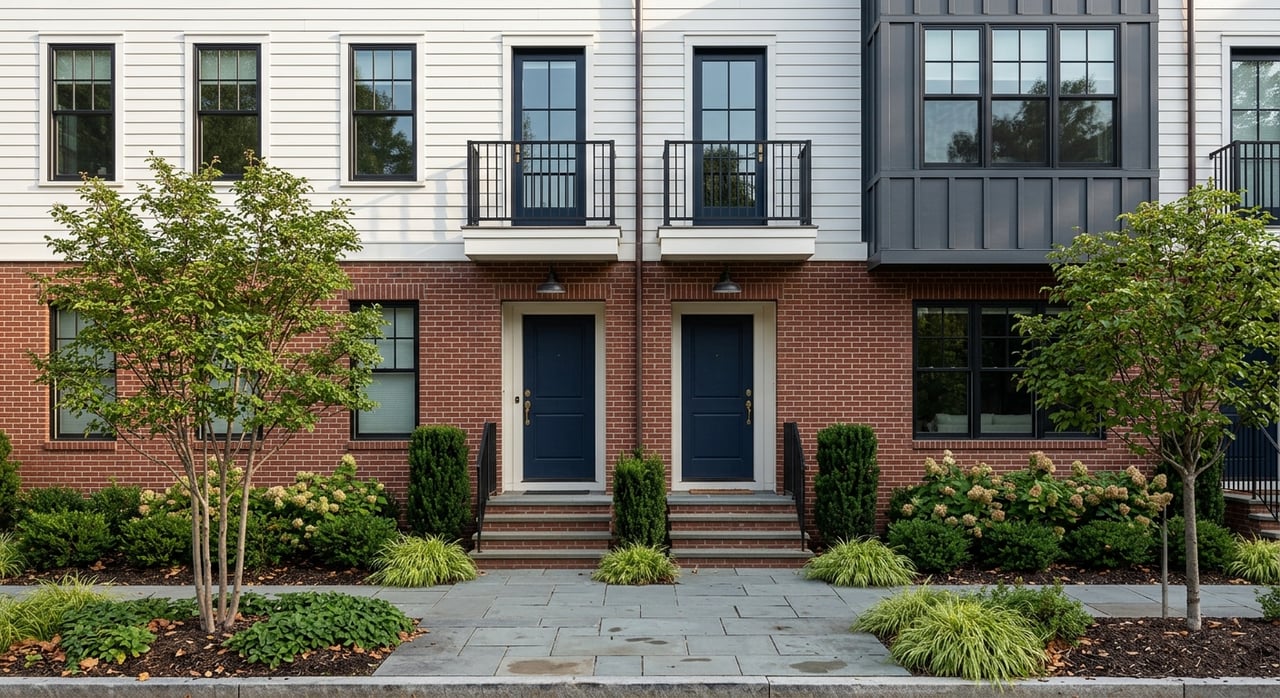
Marina Bay offers a contemporary waterfront lifestyle with a boardwalk, marina access, and on-site restaurants. You will find modern condo buildings and apartment communities, often with amenities geared to low-maintenance living. Typical residents value outdoor space, dining on the boardwalk, and quick access to the water more than they prioritize a short walk to the T. Seasonal events add to the draw and help keep the area active beyond summer. See Marina Bay boardwalk programming.
Wollaston and Quincy Shore
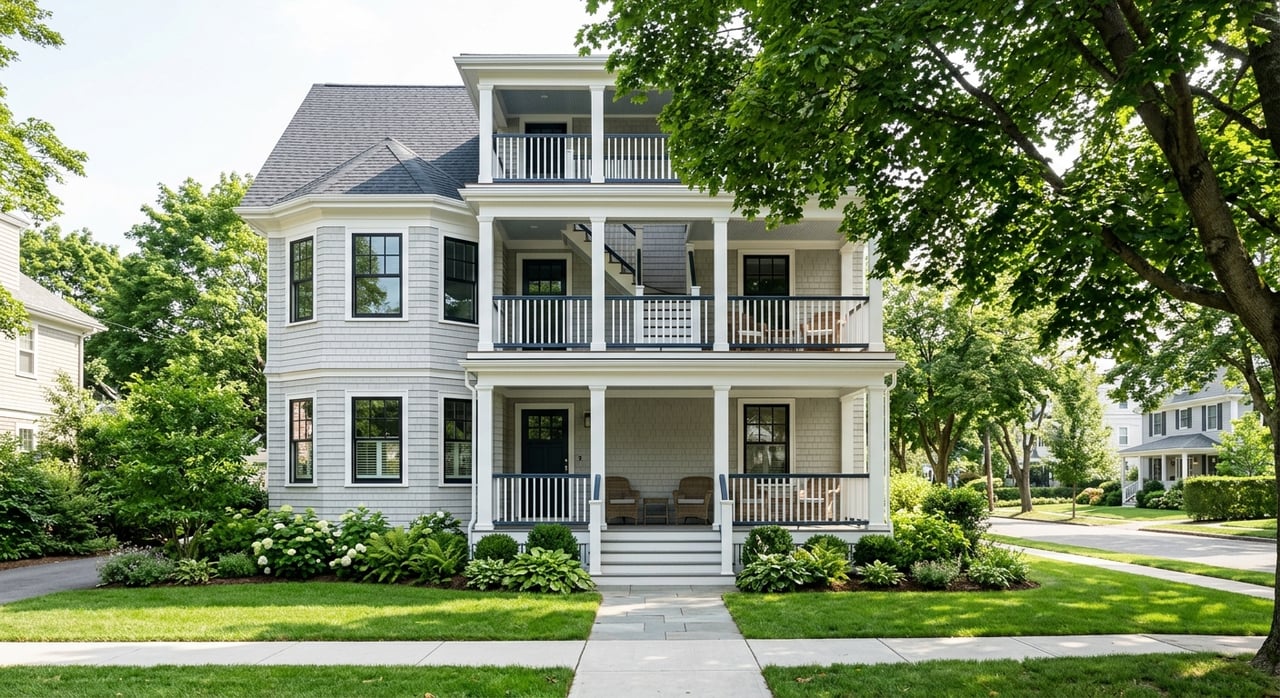
If you want a neighborhood feel with beach access, Wollaston is a consistent favorite. Streets near Quincy Shore Reservation offer a mix of single-family homes, historic Victorians, and multi-family properties. The rebuilt Wollaston Station adds Red Line convenience for renters and buyers who want to be close to the beach and still ride the T.
Hough’s Neck and Adams Shore
These peninsulas have a small-town coastal vibe and are largely single-family in character. You will see traditional homes, some with water views, and a quieter residential pattern compared to downtown corridors. If you plan a long hold or live near the shoreline, build in time for a thorough flood and insurance review, which we cover below.
Squantum proper
Squantum is known for larger single-family homes, a marina and boating lifestyle, and higher price points than the citywide median. Inventory can be tight, and proximity to Squantum Point Park adds to the appeal for outdoor access. Expect competitive bidding for well-located homes.
Downtown and station-area corridors
North Quincy and Quincy Center
North Quincy combines a transit hub with mid-rise housing, retail corridors, and smaller single-family streets. Quincy Center is the city’s revitalizing downtown, with an adopted public plan to guide mixed-use development, parcel disposition, and streetscape improvements. This public investment helps explain why the core continues to attract developers, buyers, and renters who want walkable amenities near the Red Line. Read the Quincy Center URDP.
Quincy Adams and Wollaston
Quincy Adams is a practical choice if you want to park-and-ride. Wollaston offers a neighborhood main street feel plus improved Red Line access. Both areas provide a mix of condos and multifamily units within reach of daily services.
Who tends to choose these areas
- Commuter condo buyers who want the Red Line. T access reduces car dependence and supports value retention near stations.
- Renters, especially small households and professionals, who want a shorter ride to Boston job centers. Citywide owner-occupancy around 45.2% reflects robust rental inventory and demand. Census QuickFacts
- Waterfront lifestyle seekers who value beach walks, marinas, and boardwalk dining in all seasons. Programming at Marina Bay helps sustain activity and supports demand for units with views.
- Investors who like steady, transit-driven renter pools and visible public investment in downtown and station areas.
What homes and rents cost
At the city level, the Zillow Home Value Index places Quincy around $662,000 as of late January 2026. The median value of owner-occupied units is roughly $618,500, and median gross rent is about $2,118. Treat these numbers as a baseline, then compare them to neighborhood medians for your target areas and property types. Source: Census; Zillow city snapshot
What shapes your actual price or rent:
- Proximity to a Red Line station and walkable services
- Water views, direct waterfront access, and building amenities
- Property type and age, from older multi-family stock to newer condo buildings
- Parking and on-site storage, which carry a premium in some buildings
Before you offer, ask your agent for a 3-month comp set and current rental comps for the address. That will give you a sharper read on value and rent potential.
Key risks and due diligence
Flood risk and sea-level rise
Quincy’s shoreline is part of regional coastal planning, and some parcels face higher exposure to coastal flooding over time. If you are near the water, check a parcel against flood maps, ask about elevation and any past flooding, and price insurance and mitigation steps into your budget. Use NOAA’s Sea Level Rise Viewer to understand scenario ranges and map visuals. Explore NOAA SLR Viewer
Quick flood-readiness checklist:
- Pull the FEMA flood map for the parcel and ask for an elevation certificate if applicable
- Request any seller disclosures related to flooding or shoreline events
- Get quotes for flood insurance and ask about deductibles and exclusions
- Review local seawall, stormwater, or resilience projects near the property
MBTA service variability
Planned maintenance and occasional line shutdowns can add time or change first and last mile connections. Always check for current advisories when you plan tours or test commutes. If you rely on weekend service, verify work windows before you sign a lease or schedule a closing. See regional shutdown advisories
Local rules and registrations
Short-term rental rules and landlord registrations can change. If you are evaluating an investment that depends on short-term or medium-term rentals, confirm the latest city policies and any state lodging tax requirements before underwriting your returns.
Pricing and timing
Consumer portals offer helpful direction, but MLS comps are the final word on pricing. If you are buying or renting, build your decision on recent comparables. If you are investing, model realistic rents, operating costs, and conservative vacancy to capture seasonality and service variability.
How to choose your Quincy corridor
Use this quick framework to narrow your search to a few blocks that match your daily life.
- Commute first
- Map your daily route and test it during your expected travel window.
- Compare station access from North Quincy, Wollaston, Quincy Center, and Quincy Adams.
- If you plan to drive and ride, confirm parking availability and costs at your target station.
- Define non-negotiables
- Decide if you need water views or only want easy access to the beach or boardwalk.
- Set vehicle and bike storage needs up front.
- Choose between a low-maintenance condo building or a single-family with more space.
- Align lifestyle with walkability
- If you want a walkable main street and frequent T service, focus on Wollaston, North Quincy, or Quincy Center.
- If you want a quieter coastal vibe and do not mind more driving, tour Hough’s Neck, Adams Shore, or Squantum.
- For an amenities-first waterfront lifestyle, prioritize Marina Bay and check shuttle or driving time to the Red Line.
- Budget bands and tradeoffs
- Near the water or a station, expect to pay a premium for newer buildings, parking, and views.
- On the peninsulas, single-family homes can offer space and privacy, with more variability by lot and elevation.
- If you are close to a station but not on the water, you may find more options in older multifamily stock.
- Do the flood and service check
- Screen any shoreline or low-elevation address with the NOAA SLR Viewer.
- Review MBTA shutdown advisories if your timeline crosses major work windows.
A one-week Quincy search plan
- Day 1: Set your must-haves, nice-to-haves, and deal-breakers. Pull a fresh City and neighborhood snapshot for prices and rents.
- Day 2: Tour Marina Bay and Wollaston to compare waterfront access versus walk-to-T convenience.
- Day 3: Tour North Quincy and Quincy Center. Note walkability, noise, and services within a 10-minute radius.
- Day 4: Tour Hough’s Neck, Adams Shore, and Squantum for coastal single-family options.
- Day 5: Test commutes from two stations during your actual travel window. Note parking and transfer times.
- Day 6: Request comps for your top three addresses and review HOA docs or building financials if condo.
- Day 7: Price your offer or application, including flood insurance, parking, and any upgrades you need in year one.
Ready to explore Quincy?
Quincy’s mix of waterfront amenities and Red Line access is hard to match on the South Shore. If you want a clear, data-driven plan to buy, rent, or invest along the Red Line, connect with a professional who will base guidance on current comps, rental data, and your commute. Schedule a consultation with Nathan Long to map your next steps.
FAQs
How long is a Quincy-to-Boston commute on the Red Line?
- The mean commute time for Quincy residents is about 34.7 minutes citywide, while many Red Line riders estimate 20 to 30 minutes to core Boston stations depending on origin and time of day; always check current advisories and test your route before deciding. Census QuickFacts; Boston advisories
Are Quincy waterfront homes more expensive or riskier?
- Waterfront properties often command a premium for views and access, but they can carry higher exposure to coastal flooding and insurance costs; use NOAA’s Sea Level Rise Viewer, ask for elevation information, and price mitigation into your plan. NOAA SLR Viewer
Which Quincy neighborhoods are most walkable for transit?
- Wollaston, North Quincy, and Quincy Center generally rate higher for walk and transit access; Marina Bay offers strong waterfront amenities but is more car-dependent; verify with Walk Score for any address you are considering. Quincy on Walk Score
What property types should renters expect near the Red Line and waterfront?
- Near stations and downtown corridors, expect condos and multifamily units; on the peninsulas, single-family homes and cottages are more common; Marina Bay features newer condo and apartment buildings with amenities and boardwalk access.
What do homes cost in Quincy right now?
- Citywide indicators show a Zillow Home Value Index around $662,000 as of late January 2026, with neighborhood medians varying by proximity to the Red Line and the waterfront; use fresh comps to price any specific property. Zillow city snapshot