Buying a renovated home in Lexington can feel exciting and a little intimidating. Prices sit well above the Massachusetts median, and many listings are packed with fresh finishes and buzzworthy upgrades. You want the space, convenience, and low maintenance that come with a renovation. You also want to be sure the work is permitted, energy compliant, and smart for long‑term value. This guide explains how renovated homes trade in Lexington today, what to look for inside the walls, and how local rules shape what was done and what you can do next. Let’s dive in.
Lexington market context
Lexington is a premium suburban market where renovated, move‑in‑ready homes command attention. Zillow’s home‑value index recently hovered around $1.52 million for Lexington (data through Jan 31, 2026), while a recent Redfin snapshot showed a lower monthly median near $1.27 million. Reporting windows vary, but the takeaway is the same: renovated homes compete toward the top of the market. For contrast, the Massachusetts statewide median single‑family sale price was about $638,000 in 2025, according to the Warren Group. That spread underscores why high‑quality renovations matter for both comfort and resale potential. The Warren Group’s statewide median
Why renovated homes stand out
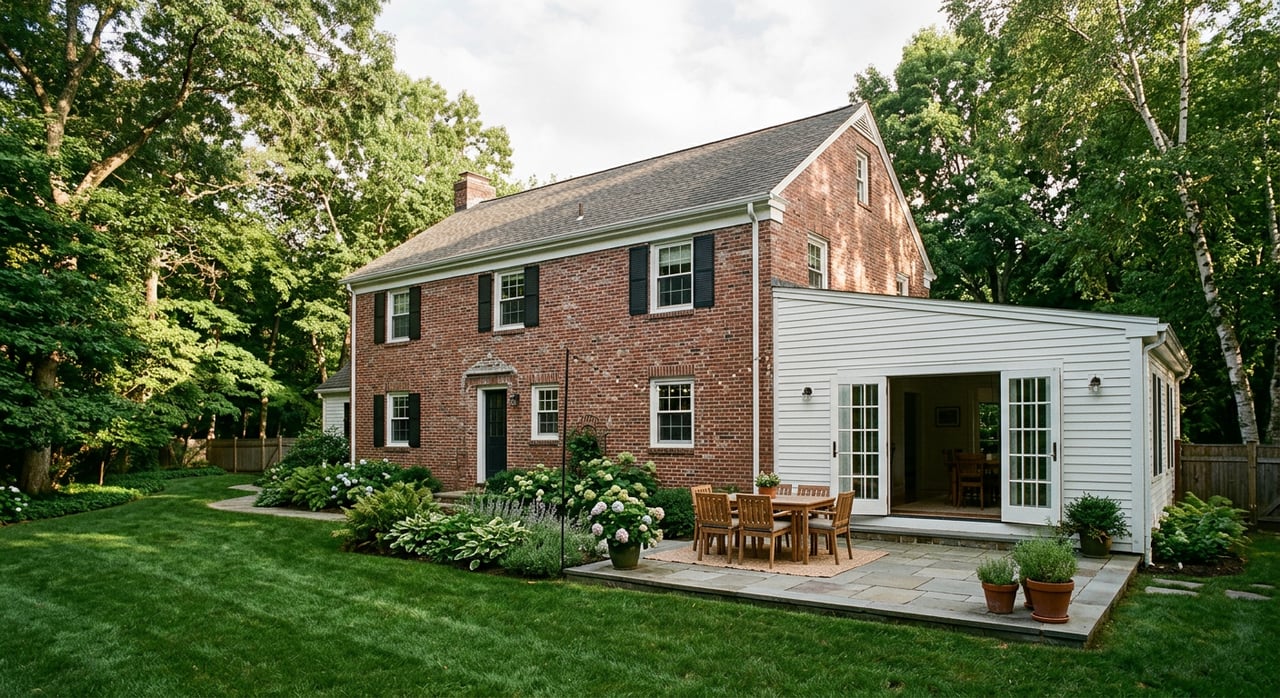
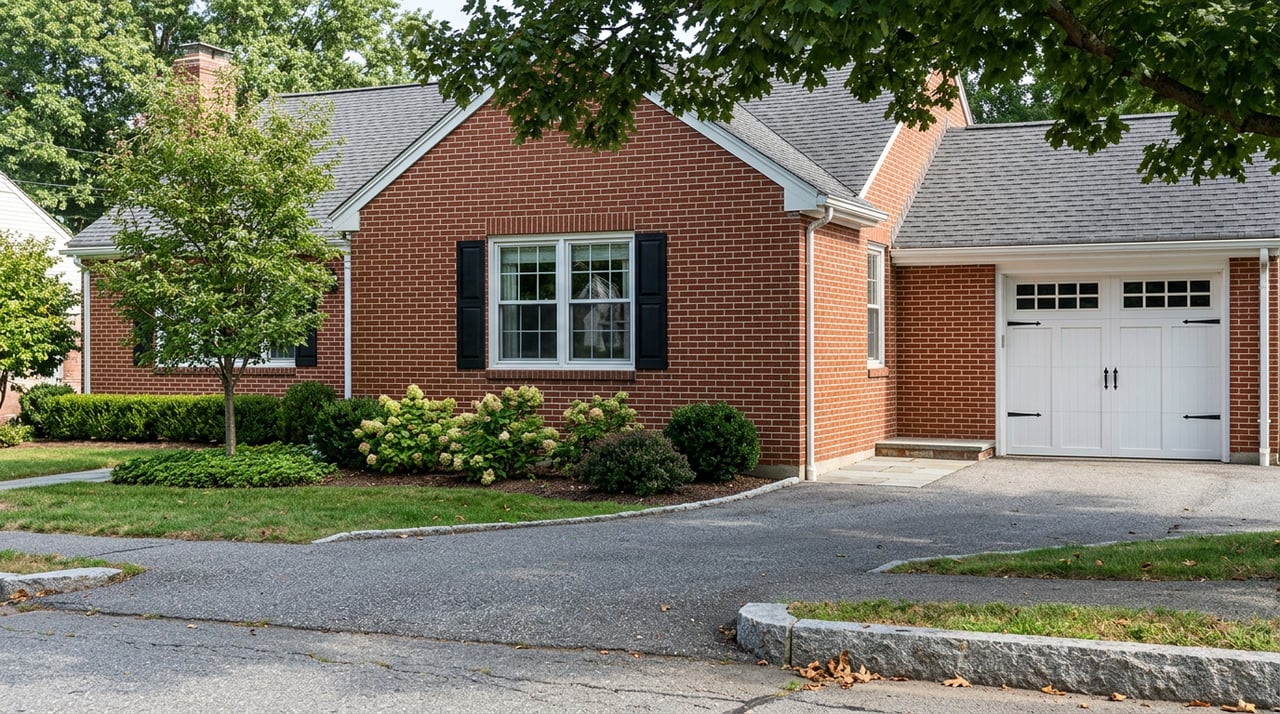
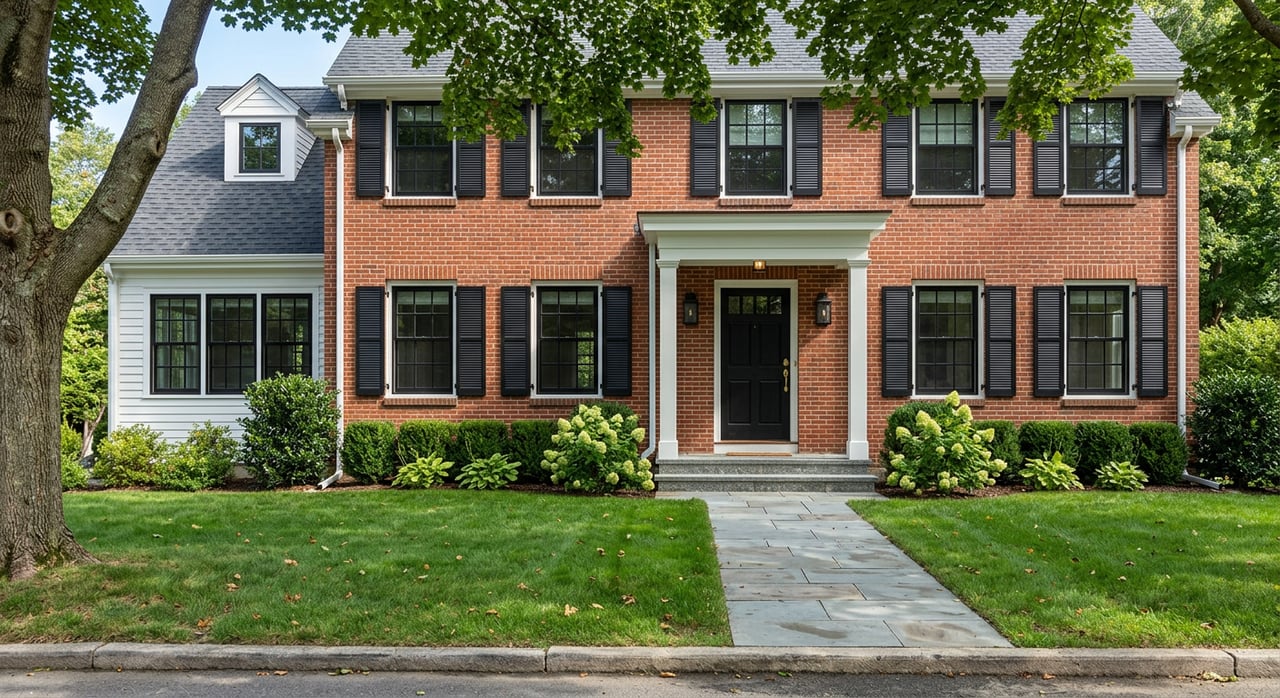
Lexington’s housing stock has a large slice of mid‑20th‑century homes. Many have been reworked to match how people live now. You will often see reconfigured first floors, modern kitchens, refreshed baths, and finished basements. When done well and documented, those updates reduce near‑term capital needs and increase day‑to‑day enjoyment. In a higher‑price market, that convenience carries a premium.
Common features in renovated Lexington homes include:
- Open kitchens with islands, stone or quartz counters, and energy‑efficient stainless appliances.
- Primary suites with a walk‑in closet and spa‑style bath.
- Refinished or new hardwood floors and recessed lighting.
- Updated building envelope and systems: new windows, fiber‑cement or painted clapboard siding, recent roofs, and high‑efficiency HVAC, often heat pumps.
- Added usable space: mudrooms, finished basements, family‑room or dining expansions, and home offices.
What to look for inside the renovation
Kitchens and baths
Focus on layout, function, and durable materials instead of just surface sparkle. A well‑designed kitchen should improve flow and storage, not only add an island. In baths, look for solid tile work, ventilation, and waterproofing details. These rooms see daily use, so quality shows up in cabinet hardware, drawer glides, caulk lines, and grout.
Systems and building envelope
Mechanicals and the shell of the house drive comfort, safety, and carrying costs. Ask about installation dates for the roof, windows, heating and cooling equipment, and hot water system. Heat pumps and upgraded insulation can lower operating costs and align with Lexington’s energy policies. If the listing claims a full systems overhaul, confirm it in writing and through permits.
Added space and layout changes
Finished basements, dormers, and first‑floor reconfigurations create real lifestyle gains. Value follows quality and compliance. Look for appropriate ceiling height, egress where required, and moisture management in lower levels. A reworked floor plan that creates a functional mudroom or true primary suite typically helps resale.
Permits, inspections, and compliance
Renovated homes should come with a paper trail. Permits, inspections, and sign‑offs protect you and support future resale.
Check the town’s permit history
Lexington uses an online portal for building, electrical, plumbing, gas, conservation, and related permits. Ask the seller for a permit list and final inspection approvals, then cross‑check the public records. Lack of permits is a material risk when structural, electrical, plumbing, or HVAC work is advertised. Lexington online permitting portal
Energy rules buyers should know
Lexington participates in the Municipal Fossil Fuel Free Building Demonstration Program. A local bylaw effective March 21, 2024 restricts new on‑site fossil‑fuel piping for new construction and major renovations. Major renovation thresholds can include projects that touch more than half of the home. There are exemptions and processes to review. If a renovation was completed after 2024, confirm compliance or any waivers. Fossil Fuel Free bylaw overview
The town also adopted the opt‑in Specialized Stretch Energy Code effective January 1, 2024 and offers resources to help residents navigate electrification and incentives. These standards influence which systems contractors can install today, and they shape the appeal of energy‑forward homes. Sustainability and energy resources
Historic homes and demolition delay
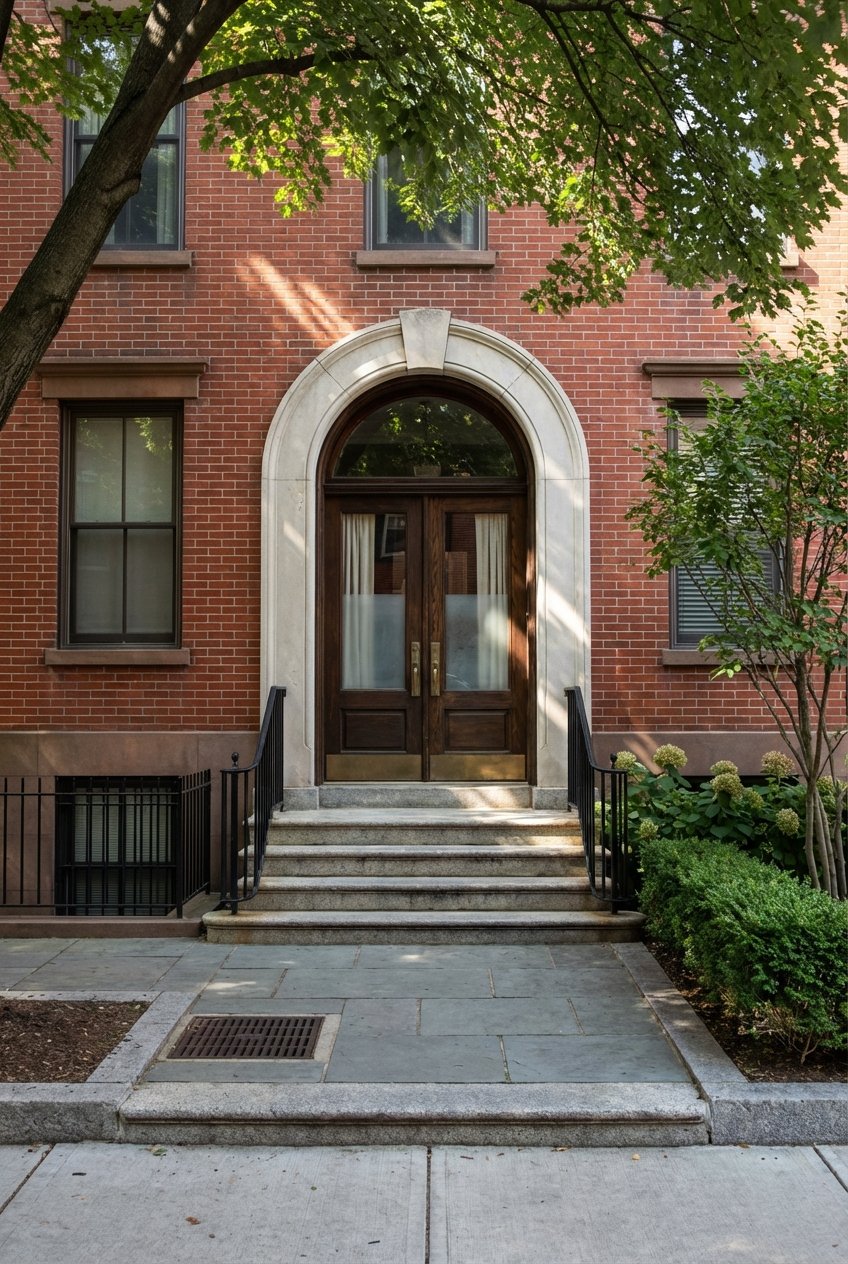
If you are looking at a pre‑1940 or historically significant property, ask about historic status. Lexington’s Demolition Delay bylaw can impose a delay period for significant demolitions. That will affect plans for large additions or tear‑downs and can inform the scope of renovations that buyers pursue after closing. Demolition Delay bylaw
Zoning and overlays that affect future plans
Lexington has adopted updates to zoning, including Village and Multi‑Family overlays and MBTA‑related compliance. These changes influence where infill and small multi‑family conversions are allowed. If your long‑term plan includes adding living units or significant expansion, review the current zoning bylaw and map for your specific parcel. Zoning bylaw and regulations
Value and resale: where upgrades pay off
Not all renovations create the same return. Regional Cost vs Value data for New England shows that certain projects tend to recoup a larger share of their cost at resale. Targeted upgrades like garage or entry door replacements, some siding projects, and minor midrange kitchen or bath remodels often outperform highly customized luxury work. Buyers should view extremely personal, top‑of‑the‑line finishes with a careful eye if resale is important. New England Cost vs Value
Three quick takeaways for Lexington buyers:
- Small to mid‑scale, broadly appealing improvements usually deliver stronger value capture.
- High‑ROI exterior projects and energy upgrades help with both curb appeal and operating costs.
- Over‑personalized luxury interiors can limit your future buyer pool.
Carrying costs and assessments
Renovations that add conditioned square footage or trigger permits can lead to reassessment. Lexington updates assessed values annually. For planning, review whether recent work increased the current assessed value and consider how post‑sale improvements could affect your future tax bill. The FY2025 residential tax rate example was $12.23 per $1,000. Always confirm the current fiscal year rate. Tax classification packets
Energy improvements like heat pumps, insulation, and high‑performance windows can reduce monthly costs and often qualify for incentives. Keep documentation of work and any rebates. It supports both your household budget and resale story. Sustainability and energy resources
Buyer checklist for evaluating a renovated home
Use this step‑by‑step process to judge quality and risk before you commit:
- Verify permit history and sign‑offs. Request the full permit package for structural, electrical, plumbing, gas, and HVAC work. Cross‑reference it in the town’s portal. Lexington online permitting portal
- Order a comprehensive home inspection. Add specialty inspections if applicable. Examples include electrical panel review, sewer scope, chimney, foundation, or moisture/air quality checks when water damage is suspected.
- Gather documentation. Ask for contractor invoices, scope of work, warranty cards, appliance registrations, and equipment start‑up reports. A solid paper trail builds trust and value.
- Confirm ages and expected life of major components. Roof, windows, HVAC, hot water, and electrical capacity determine near‑term capital needs.
- Check energy compliance and upgrades. Identify heat pumps or other electrified systems, new windows, added insulation, and air sealing. Ask for rebate paperwork and installation records. Sustainability and energy resources
- Weigh finishes against structure. Beautiful tile does not fix poor drainage or undersized beams. Use local comps and regional ROI data to decide if a custom finish adds broad appeal. New England Cost vs Value
Putting it all together
In Lexington, renovated homes can deliver the best of both worlds: established neighborhoods plus modern systems and layouts. The key is to confirm the quality behind the finishes. Check permits, verify energy compliance, and understand how zoning or historic rules could shape your plans. Use regional ROI data to separate high‑impact upgrades from over‑customization. When you approach a renovated home with a clear framework, you protect your budget today and your exit options later.
If you are considering a renovated single‑family or townhome in Lexington and want a pragmatic, data‑driven plan, reach out. Schedule a Cambridge market consultation with Nathan Long to review permit history, comps, and the upgrades that support long‑term value.
FAQs
What do renovated homes in Lexington typically include?
- Expect open kitchens with stone or quartz counters, refreshed baths, updated windows and siding, modern HVAC such as heat pumps, and added usable space like finished basements or mudrooms.
How do I verify renovation permits in Lexington?
- Ask the seller for a permit package with final inspections, then cross‑check the public records in the town’s online permitting portal to confirm approvals and scope. Lexington online permitting portal
What are Lexington’s fossil‑fuel rules for major renovations?
- A local bylaw effective March 21, 2024 restricts new on‑site fossil‑fuel piping for new construction and major renovations, with defined thresholds and exemptions. Confirm compliance and any waivers. Fossil Fuel Free bylaw overview
Do renovations affect my property taxes in Lexington?
- Yes. Permitted work or added conditioned space can trigger reassessment. Review the Assessor’s materials and current residential tax rate to plan your carrying costs. Tax classification packets
Which upgrades usually add the most resale value in New England?
- Cost vs Value data shows higher recoup rates for targeted projects like garage or entry doors, certain siding updates, and minor midrange kitchen or bath remodels compared with highly customized luxury work. New England Cost vs Value