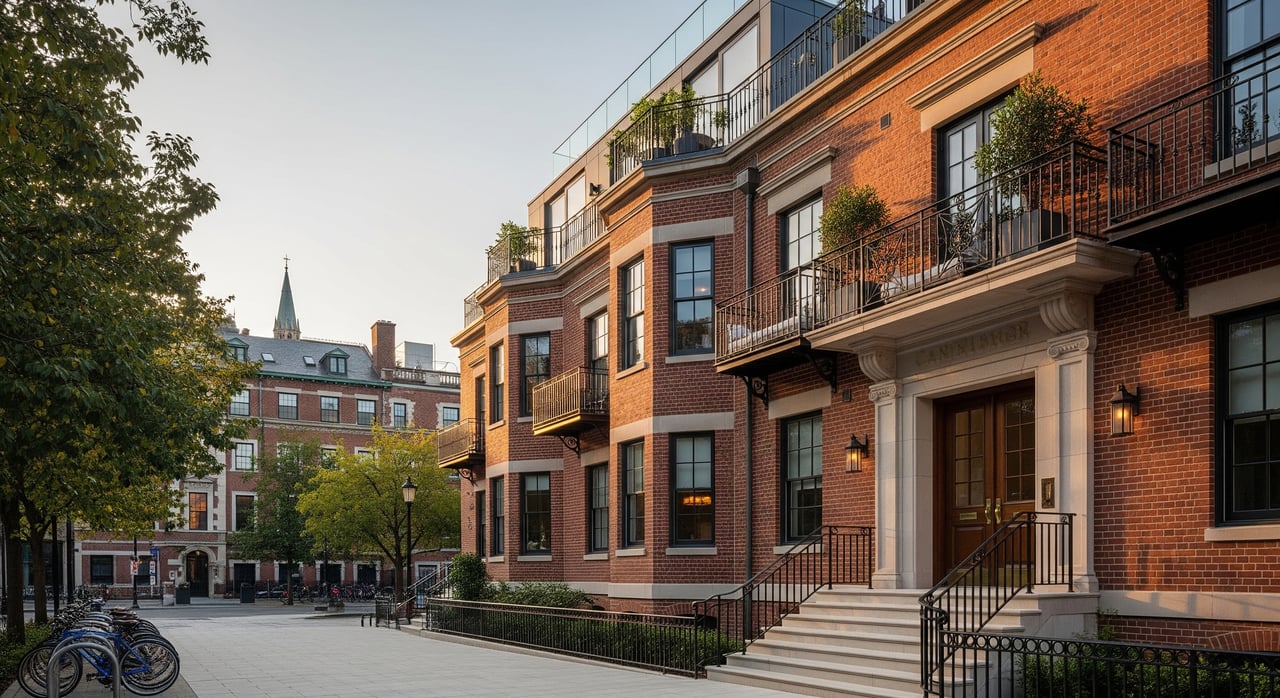
If you want steady rental demand with world-class anchors, Cambridge near MIT and Harvard should be on your shortlist. You face high prices and close-in competition, but you also gain deep tenant pools, short commutes, and low vacancy risk when you buy well. In this guide, you’ll learn which corridors perform, what building types to target, how to underwrite deals in this market, and what rules to check before you commit. Let’s dive in.
Why invest near MIT and Harvard
Cambridge’s rental demand is powered by MIT, Harvard, nearby teaching hospitals, and a growing cluster of life-science and tech companies centered in Kendall and East Cambridge. This ecosystem brings graduate students, postdocs, faculty, medical residents, and early-career professionals who value walkability and transit. Academic cycles drive summer turnover, while tech and biotech hiring smooths demand year-round.
Proximity to the Red Line and major bus routes typically commands a rent premium and reduces vacancy risk. Units within a short walk to Kendall/MIT, Harvard Square, Central, and Porter tend to lease faster and at higher rates. When you underwrite, factor in both academic timing and employer hiring as demand signals.
Best submarkets and corridors
Kendall/MIT and East Cambridge
Kendall/MIT offers excellent Red Line access, strong bike and pedestrian infrastructure, and immediate proximity to the Longfellow Bridge and Massachusetts Ave. Tenant profiles skew toward tech and biotech professionals, MIT grad students, and research staff. You’ll see a mix of newer mid-rise developments, small walk-ups on side streets, and mixed-use assets with premium rents and pricing.
Harvard Square and nearby blocks
Harvard Square is intensely walkable with multiple bus lines and a Red Line hub. Expect demand from undergraduates and graduates, Harvard-affiliated staff, hospital employees, and professionals commuting to Boston. Building stock ranges from historic brownstones and three-deckers to mid-rise apartments along main streets; some blocks carry historic constraints that shape renovation scope.
Central Square, Inman, and Cambridgeport
Central Square is a key Red Line stop with walkable and bikeable connections to both MIT and Harvard. Tenant demand includes younger professionals, students, and local service workers. Assets are often three-deckers and small wood-frame multifamily buildings that respond well to thoughtful repositioning and better leasing systems.
Porter Square and North Cambridge
Porter Square offers Red Line and Commuter Rail access with strong bus connectivity. Tenant mix and building types resemble Central, with some infill mid-rise projects. It serves professionals who split commutes across Cambridge, Somerville, and Boston and value transit reach.
Building types and what to expect
Three-deckers and 2–6 unit wood-frame
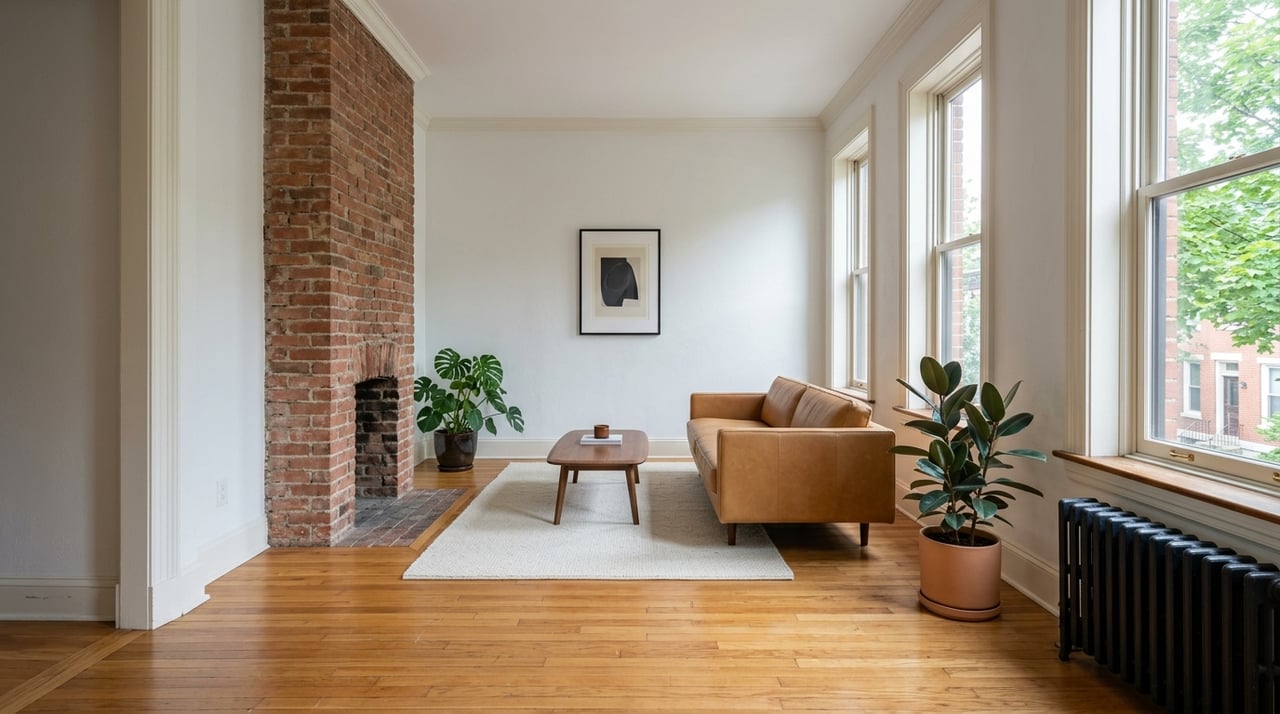
These dominate many Cambridge blocks. Some have separate utility meters and offer value-add through kitchen and bath updates, in-unit laundry, and better common areas. Expect older systems in places and set aside capital for code compliance, life-safety, and envelope work.
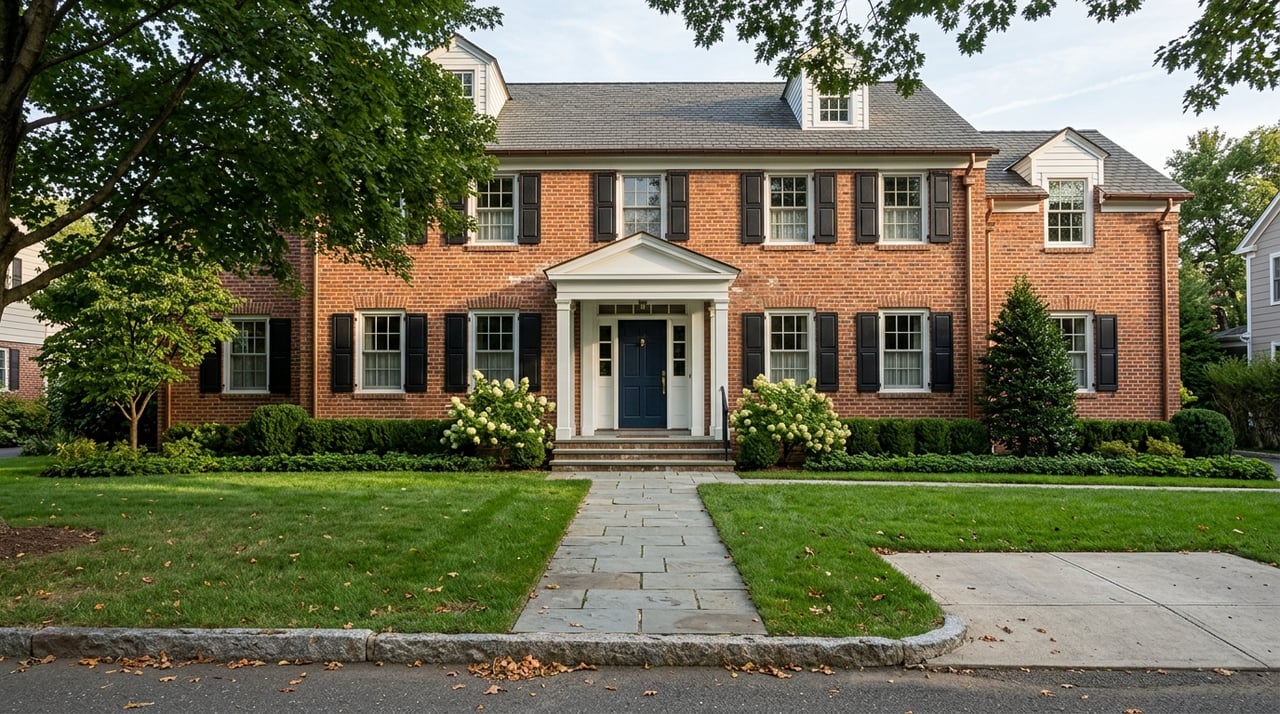
Brick and stone walk-ups
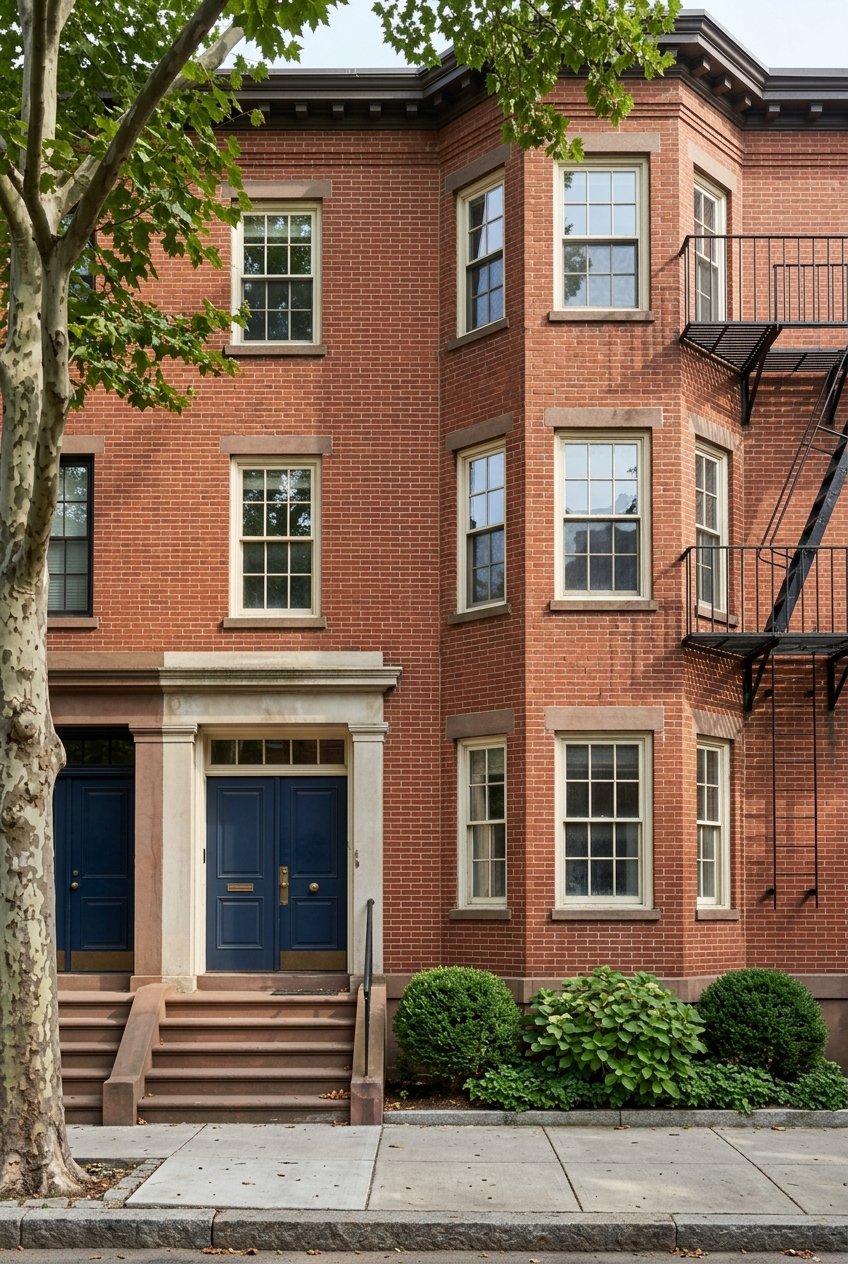
Common around Harvard and along main streets, these have character and durable shells but may require systems upgrades. You can improve income with better layouts, storage, laundry, and professional leasing to match demand from academic and medical tenants.
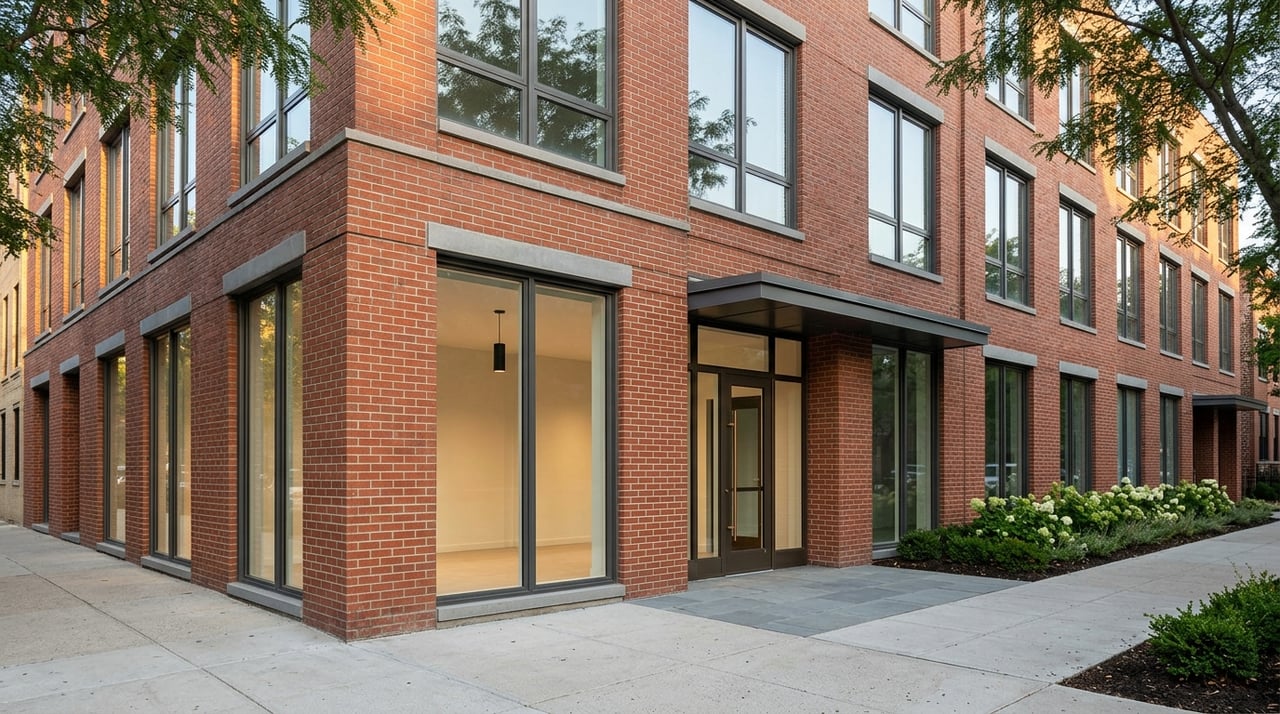
Newer mid-rise and podium assets
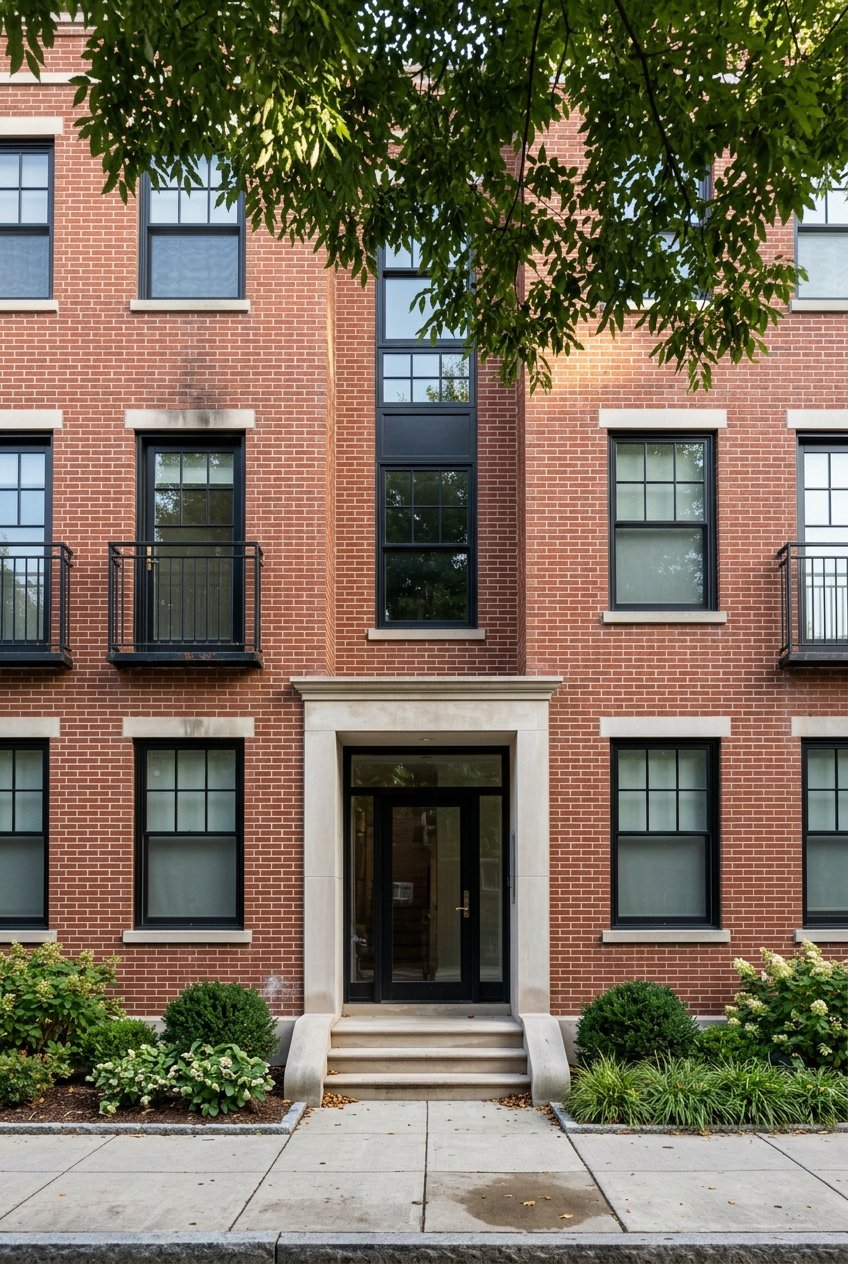
More prevalent around Kendall and select corridors, these command premium rents and follow a different cap-rate profile. They may attract more institutional buyers, but small investors can still find condo-converted or boutique opportunities.
The transit premium
Units within a short walk to Red Line stations often lease faster and at higher rents. Walk and bike access, along with reliable bus routes, correlate with stronger outcomes across the city. When you compare comp sets, segment by walk-time to stations and major routes to isolate the true premium.
Underwriting in Cambridge
Revenue levers
Model base rents by unit type, then add ancillary income from parking, storage, and laundry. Near Harvard and MIT, furnished units or rooming-style leases can yield higher per-bed income but bring higher turnover and management complexity. Keep vacancy assumptions aligned with local turnover rhythms, especially around summer.
Operating expenses
Budget for utilities and verify which are owner-paid versus tenant-paid. Maintenance, repairs, and turnovers run higher in Cambridge due to older stock and service costs. Include property management fees, insurance that reflects building age and construction type, property taxes based on assessments, and a realistic capital reserve line for roofs, systems, windows, and compliance.
Financing and sensitivity checks
Small investors typically use conventional or portfolio loans, while heavier rehab or new construction may require agency or bridge financing. Interest rates materially impact DSCR and cash-on-cash in this market. Stress-test your model for higher rates and short-term vacancy, then compare to stabilized performance expectations.
Key metrics and comps
Track GRM, NOI, cap rate, cash-on-cash, and IRR over your hold period. Transit-proximate Cambridge assets often trade at lower cap rates than outer-ring suburbs due to constrained supply and durable demand. Align your assumptions with recent neighborhood-level sales and rent comps, adjusted for unit mix, finishes, parking, and proximity to transit.
Pricing, rents, and comp work
Cambridge has historically shown stronger rent growth and tighter vacancy than many outer-suburban Middlesex communities. Within Cambridge, transit-adjacent corridors near MIT, Kendall, Harvard, Central, and Porter typically command pricing and rent premiums. For your comp set, use the last 12 to 24 months of nearby trades segmented by building size and vintage, and compare unit-level and square-foot pricing.
Cambridge vs Newton vs Framingham
- Cambridge: Highest rents per unit and per square foot in the corridor, constrained supply, and strong academic and tech demand. Expect more regulatory review for changes and premium pricing for prime walkable locations.
- Newton: More owner-occupied and suburban in feel, with lower rental density and typically lower rents than Cambridge. Entry price per unit tends to be lower, with a tenant profile that may favor longer lease terms.
- Framingham: Outer suburb with more mid-size complexes, lower price per unit and higher cap rates. Commutes are longer, and yields can be higher, but vacancy can be more sensitive to local employment dynamics.
Regulations to know before you buy
Cambridge zoning and planning rules shape density, use, and conversion potential. New construction or certain conversions may trigger inclusionary housing requirements, design review, or community processes. Historic districts and conservation overlays can limit exterior changes and add approval steps.
Short-term rentals require attention to local licensing and restrictions, so confirm current policies before underwriting any STR income. For properties near the Charles River and Cambridgeport, check flood zones and code requirements that affect insurance and capex. Massachusetts tenant protections and local ordinances govern leasing, security deposits, and eviction timelines, so understand these when modeling cash flow and risk.
Due diligence checklist for your offer
- Current rent roll with lease terms, deposits, and expiration dates
- Copies of all leases, addenda, and any subleases
- Historical P&Ls and tax returns for the past 2 to 3 years
- Recent utility bills for the last 12 months and utility responsibility by unit
- Inspection reports for building, roof, HVAC, electrical, plumbing, and pest
- Capital improvement records and warranties, plus deferred maintenance list
- Property survey, site plan, and any deed restrictions
- Zoning confirmation letter and recent determinations from city departments
- Recent appraisal or broker opinion and a comp set with adjustments
- Insurance policy declarations and claims history
- Certificate of occupancy and any open code violations
- Parking permits or analysis where applicable
- Environmental reports, flood zone status, and elevation certificates if needed
- Tenant complaint logs and eviction history
- Market rent study by unit type and a documented leasing history
- Property management agreement and service contracts if applicable
How to position your acquisition
Define your target by corridor, walk-time to transit, and building type. Build a rent roll that distinguishes current versus market rents and a realistic schedule to achieve market. Time capital projects around turnover cycles, and create a leasing calendar that captures academic demand without long vacancy windows.
If you plan a value-add, prioritize kitchens, baths, laundry, storage, and code and life-safety. Consider furnished offerings or per-bedroom leasing only if your operations and turnover budgets can support the extra management. Always keep a capital reserve line robust enough to handle older-building surprises.
Work with a local, investor-focused pro
To compete in Cambridge, you need accurate comps, a defensible rent study, and a clear presentation of financials and risk. With MLS- and brokerage-first marketing, investor-grade rent rolls and packets, and deep knowledge of the MIT, Harvard, Kendall, and Red Line corridors, you can make faster, better decisions. Ready to pursue a specific corridor or building type? Schedule a Cambridge market consultation with Nathan Long.
FAQs
What drives demand for Cambridge multifamily near MIT and Harvard?
- Major universities, teaching hospitals, and life-science and tech employers create steady renter demand from students, postdocs, faculty, medical residents, and professionals.
How does transit proximity affect rents in Cambridge?
- Being within a short walk of Red Line stations and key bus routes typically commands higher rents and reduces vacancy risk compared with less connected locations.
Are student-focused leases near Harvard and MIT more profitable?
- Students can yield higher per-bed income, especially with furnished units, but expect higher turnover, tighter leasing windows, and more management complexity.
What building types are common near Harvard and Kendall?
- You’ll find three-deckers and small wood-frame multifamily, brick and stone walk-ups, and newer mid-rise properties, each with different capex and management profiles.
How do Cambridge cap rates compare with Newton and Framingham?
- Transit-proximate Cambridge assets often trade at lower cap rates due to constrained supply and strong demand, while Framingham may show higher cap rates and different risk.
What should I request in an investor packet for a Cambridge multifamily?
- Ask for a current rent roll, leases, 2 to 3 years of financials, utility bills, inspection reports, capital history, zoning confirmation, comp sets, insurance details, and code status.